
Last updated November 16, 2026
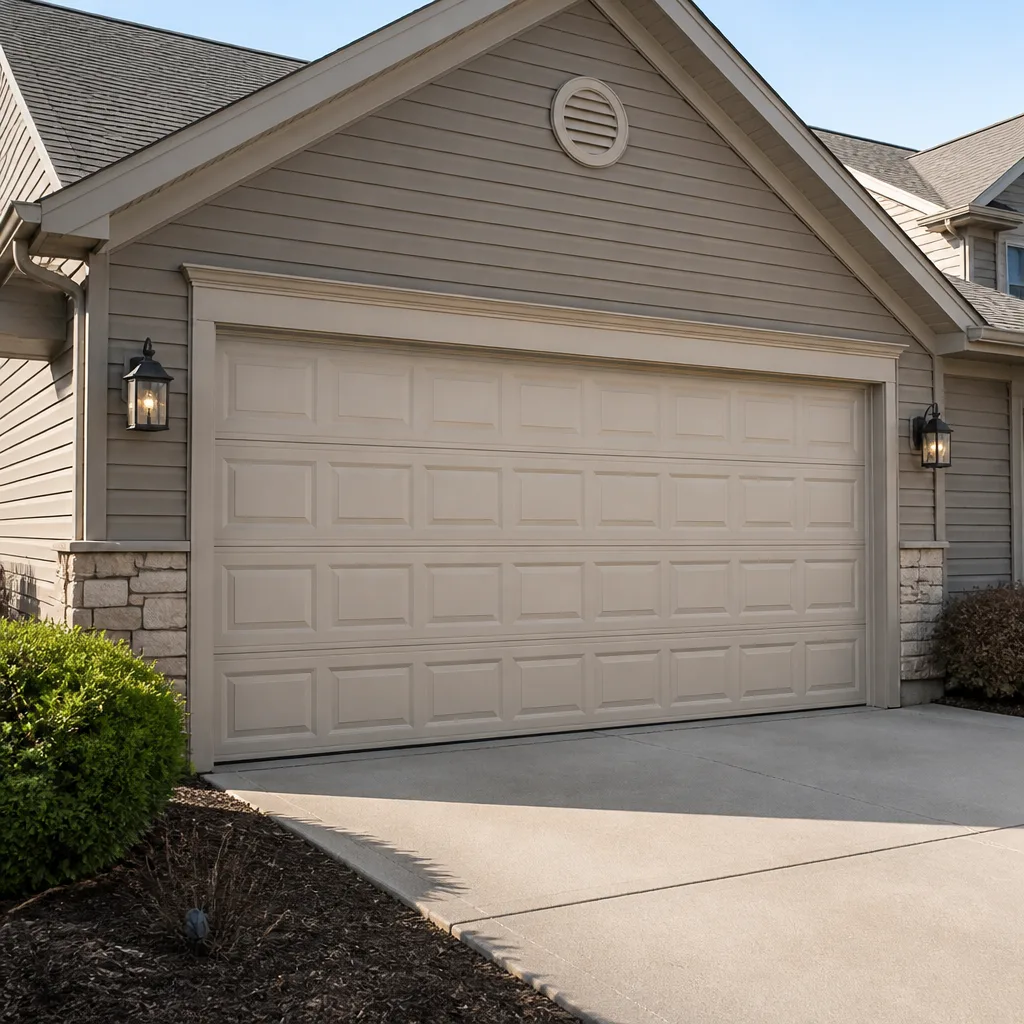 Raised-panel steel
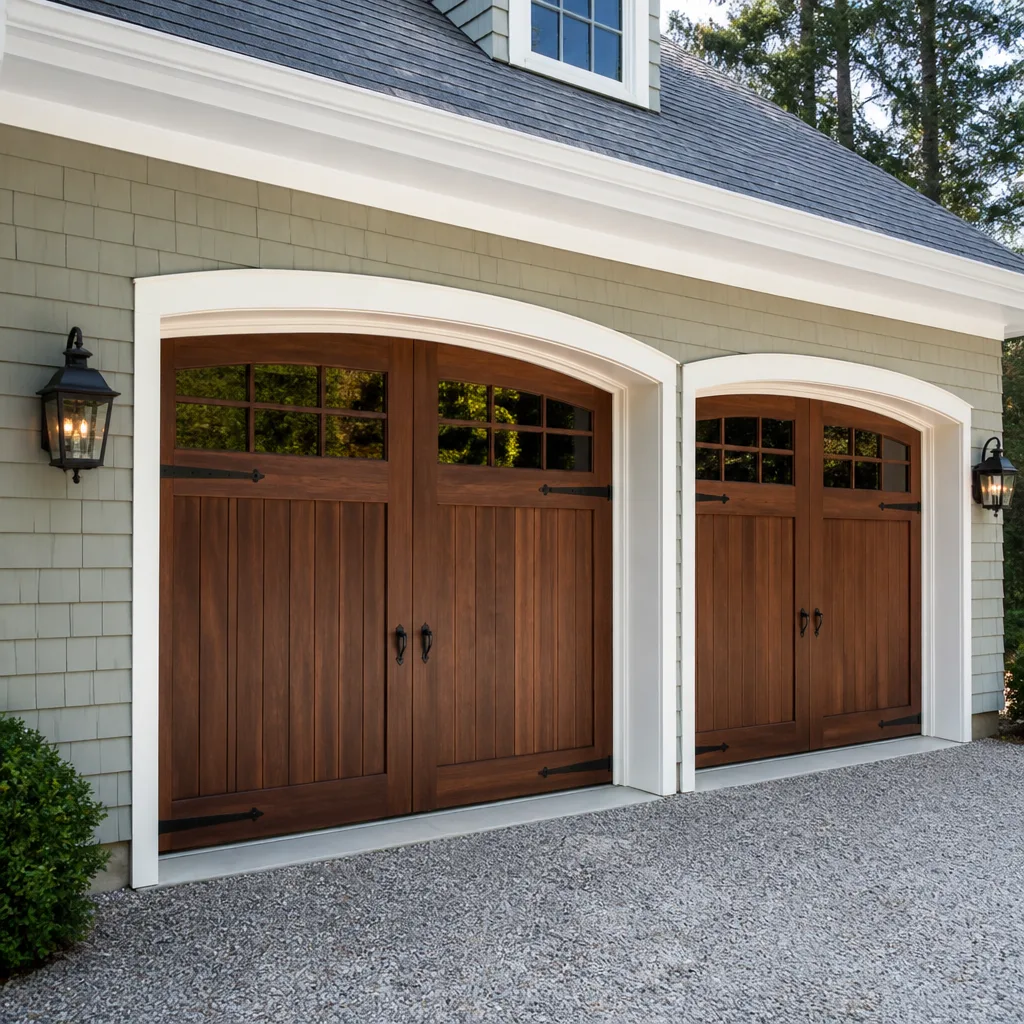 Carriage house
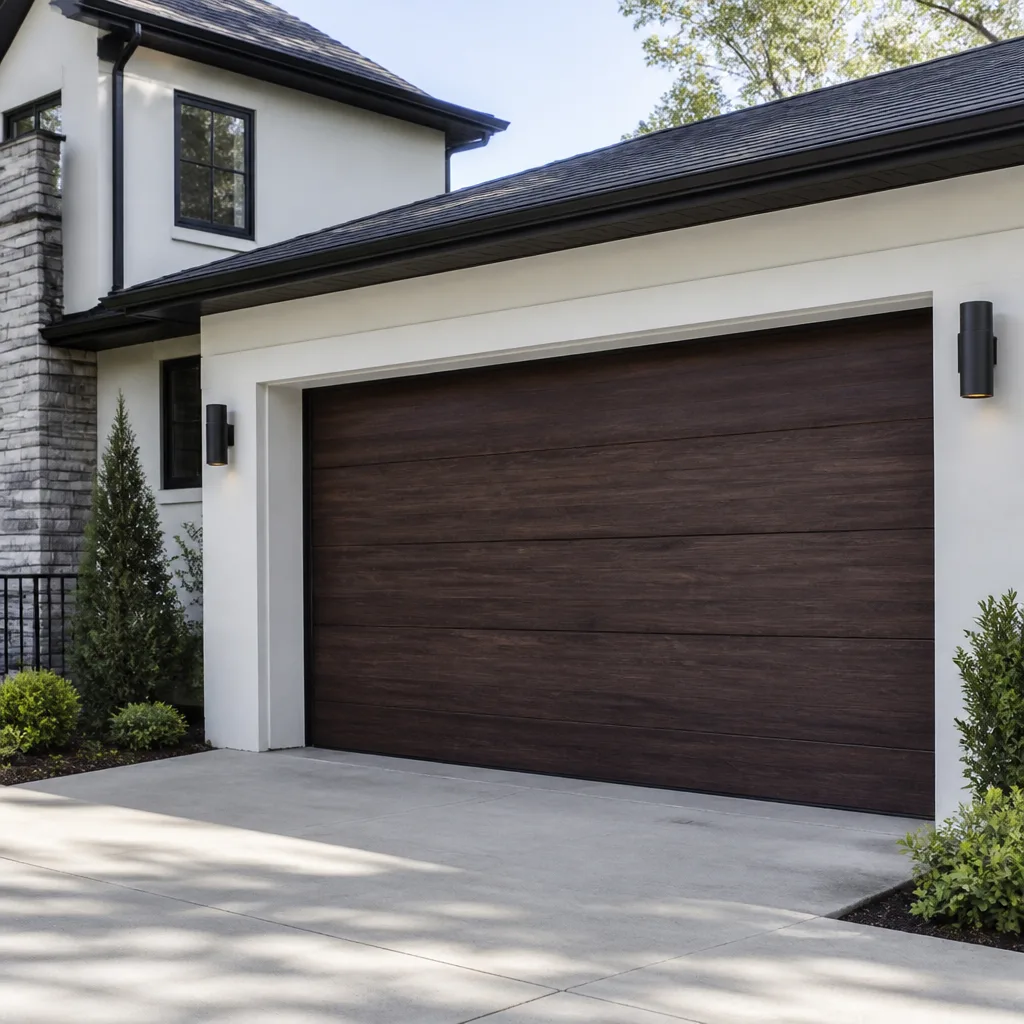 Modern flush
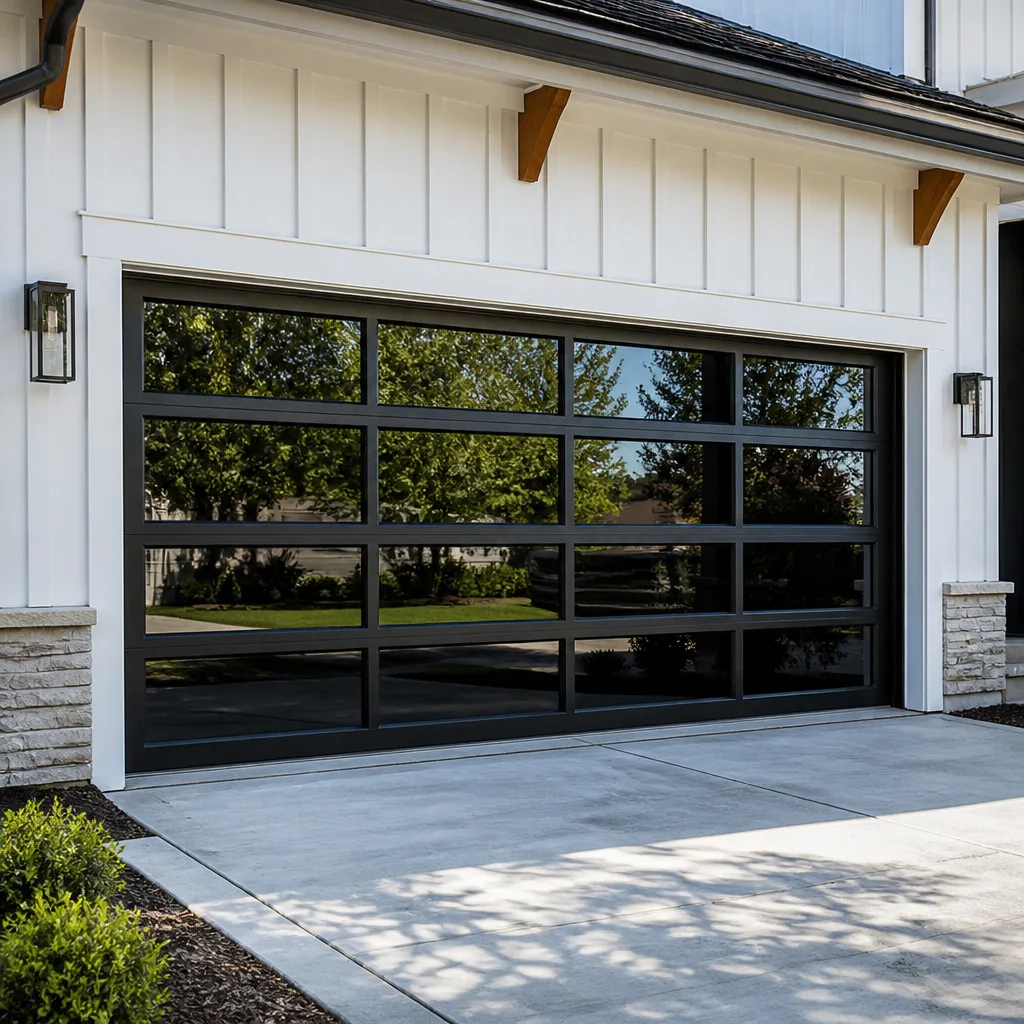 Full-view glass
 LiftMaster openers
 Chamberlain openers
Full 25-point door and opener safety check with every visit - springs, cables, rollers, tracks, and your LiftMaster or Chamberlain opener included
You get a price before we start. It does not change when the pro arrives.
Get your free estimateHow to Hire a Garage Door Contractor in Sterling Heights: A Step-by-Step Guide
Most homeowners pick a garage door contractor the same way they pick a restaurant: whoever shows up first with the lowest number. That’s the mistake. A quick search in Sterling Heights returns dedicated garage door shops sitting alongside handyman services that list “garage doors” as one line item among fifteen other trades. The quotes look almost identical. The outcomes won’t be, because a generalist who installed two doors last spring can’t tell you your spring’s cycle rating, your drum’s wire gauge, or whether your opener’s logic board will accept the replacement part you’re about to pay for. This guide gives you a concrete vetting framework: the five phone questions that separate specialists from side-offering generalists, how to read a quote line-by-line, and which red flags should make you walk away before anyone pulls into your driveway in Sterling Heights.
Quick Answer
To hire a garage door contractor in Sterling Heights, verify three things before you book: that they specialize in garage doors (not general contracting), that they can answer technical questions about spring sizing, cycle ratings and opener compatibility in under 30 seconds, and that their written quote itemizes hardware by name and cycle rating rather than lumping it under “standard installation.” Ask for the quote in writing, confirm who’s actually performing the work, and never accept a verbal estimate on a spring replacement or a full door install.
Styles & brands we work with
- Raised-panel steel
- Carriage house
- Modern flush
- Full-view glass
- LiftMaster openers
- Chamberlain openers
Table of Contents
- Why Hiring for Garage Doors in Sterling Heights Is Trickier Than It Looks
- The Five Phone Questions That Separate Specialists from Generalists
- What Michigan Licensing Actually Covers for Garage Door Work
- How to Read a Garage Door Quote Line-by-Line
- Red Flags Specific to Garage Door Work
- Manufacturer Warranty Coverage and Authorized Dealers
- Specialist vs. Generalist: What the Difference Costs You
- What a Professional Garage Door Visit Looks Like
Why Hiring for Garage Doors in Sterling Heights Is Trickier Than It Looks
Sterling Heights sits in the middle of a mature, dense suburban housing stock. A lot of the homes here were built between the late 1960s and the late 1990s, and many still run their original doors or second-generation replacements. That means the residential garage doors here span about four decades of hardware standards: pre-safety-reversal openers, older torsion systems, single-car doors sized to older footprints, and two-car doors with variations in track radius and headroom that were common to the era.
Why does that matter for hiring? Because generic contractors work from memory of whatever they installed last. A specialist recognizes the era of your door from the hardware on it. That recognition shapes the diagnosis before anyone opens a toolbox.
Two other Sterling Heights factors matter. First, the metro Detroit climate swings from humid summers into hard freeze-thaw cycles every winter. Spring tension and the balance of a door shift with temperature. A contractor who doesn’t ask about winter behavior when you describe the problem hasn’t been in many Michigan garages. Second, the market here includes large general contracting operations that added “garage door installation” as one service during building booms. That competition is fine for price transparency but terrible for technical depth. You need to know which kind of company you’re talking to.
The quick test: ask any contractor you call how many garage door jobs they did in the last ninety days. A specialist answers in a specific number. A generalist answers in a vague “we do a lot of those.” The specialist is the one you want. Our own Avalon Garage Door Service exists on the other side of that fact: garage doors are the entire trade, not a side line.
The Five Phone Questions That Separate Specialists from Generalists
A specialist can answer all five of these in under thirty seconds each. A generalist either guesses, deflects into sales language, or asks you to schedule a visit just to answer. Test before you book.
- Which brand of opener do you stock parts for? The answer should name specifics. Anyone working seriously in this trade keeps knowledge of LiftMaster, Chamberlain, Genie, Clopay, Amarr, Wayne Dalton, Craftsman and Raynor. An answer of “we work with all major brands” with no names behind it is a non-answer. Ask which models they’ve replaced logic boards on this year.
- What cycle rating do you install on a standard two-car door? The answer should be a number – 10,000, 15,000, 20,000 or 25,000 cycles. A specialist knows the cycle rating matters more than the spring’s appearance. A generalist says “we use the standard.” There’s no such thing; every spring carries a rating.
- What wire gauge and drum type does my door have? You don’t need to know the answer. They do. If they can’t tell you at least the range for typical Sterling Heights residential doors without seeing yours, they’re not reading the hardware often enough to identify it accurately.
- Do you diagnose opener faults in-house or refer out? A specialist does both panel and opener work with one visit. A generalist either refers you to “the opener guy” or replaces the whole opener when a simple sensor alignment would have fixed it.
- Will you measure before quoting a new door? A specialist says yes, always. A generalist quotes over the phone using square footage and rough height – which is how you end up with a door that doesn’t fit the opening.
Bonus question for Sterling Heights specifically: ask how they handle a door that binds in January but runs smooth in July. The answer should mention thermal contraction of metal tracks, spring tension shifts, or balance testing. A specialist answers this in one sentence. A generalist doesn’t know what you’re asking.
What Michigan Licensing Actually Covers for Garage Door Work
Here’s what most homeowners get wrong: they assume “licensed” means the same thing across trades. It doesn’t. Michigan licenses residential builders and maintenance and alteration contractors under the Michigan Occupational Code, and a garage door replacement often touches that territory because it involves modifying a structural opening. But a general handyman exemption can legally cover smaller jobs, which is how so many generalists end up doing garage door repairs without the licensed residential builder classification.
What this means for you practically:
- Ask whether the company holds a Michigan residential builder or maintenance and alteration contractor license if the job involves replacing the door, tracks, or structural framing at the opening. Those are the jobs that cross into licensable territory.
- Ask for liability insurance and workers’ compensation coverage before anyone touches your springs or tracks. A broken spring under tension causes real injury. If the technician isn’t covered, the risk is yours.
- Permit rules vary by job type and by city. Most communities require a permit for structural openings and new construction; a same-size door replacement in an existing opening may not need one. Ask the Sterling Heights building department directly about your specific project rather than trusting a contractor’s word on it.
What licensing doesn’t cover: it says nothing about brand-specific tech training, cycle-rating knowledge, or how to diagnose a Genie logic board fault. Those come from trade specialization, not licensing. A licensed generalist can still misdiagnose your opener. An unlicensed specialist still isn’t someone you should hire. You need both signals, and hiring on license alone is how homeowners end up with technically licensed work that fails in eighteen months.
How to Read a Garage Door Quote Line-by-Line
Quotes from competent contractors and from generalists can land within a hundred dollars of each other and still describe wildly different jobs. The differences live in the exclusions. Read for what’s missing more than what’s priced.
What “Standard Installation” Typically Excludes
When you see a single lump-sum line for “standard installation,” you’re looking at a quote that excludes almost every item that will come up on install day. Assume the following are not included unless itemized:
- Removal and haul-away of the old door, tracks, and hardware
- Any modification to the existing opening, header, or jambs to fit the new door
- New springs sized to the actual weight of the new door (reusing old springs is a common shortcut)
- New track where the old track is bent or dimensionally different
- Labor for wiring a new opener, if the opener is part of the project
- Replacement of weather seal, bottom seal, or threshold
- Reinstallation or repair of the opener’s safety sensors
How a Properly Itemized Quote Reads
- Door make and model number. Not “16×7 white steel.” The actual manufacturer and model so you can look up the warranty terms yourself.
- Spring spec. Torsion or extension, wire gauge, inside diameter, and cycle rating. A quote missing this is a quote for an unknown part.
- Hardware line items. Hinges, rollers, cables, drums, and bearings, each listed separately or explicitly stated as included in a hardware package.
- Opener make, model, and horsepower if applicable. Not “1/2 HP opener.” Specific model.
- Installation labor, itemized for removal, install, and adjustment. Three line items, not one blur.
- Exclusions, in writing. Drywall repair, paint, electrical work, header repair, and any other nonstandard work should be listed as excluded so you know what you’ll pay for separately.
- Warranty terms. Manufacturer warranty and installer workmanship warranty, stated separately.
If the quote you receive is two lines long and simply says “standard 16×7 install: $X,XXX,” you’re not ready to sign anything. Ask for the itemized version. The written estimate is what sets the final price, and it should be specific enough that no surprises can hide in the gaps. If you’re already past the quote stage and into garage door repair territory, the same rule applies: itemized or nothing.
Red Flags Specific to Garage Door Work
Some red flags are universal across trades – no written estimate, cash-only, no insurance. Garage door work has its own set that other contractor guides won’t tell you about:
- Vague spring sizing. If a quote says “replace spring” with no cycle rating, wire gauge, or inside diameter, they’re installing whatever’s on the shelf. Springs are not interchangeable. Wrong-sized springs fatigue early or put excessive load on the opener.
- No mention of cycle-rated hardware. Every spring, every roller, every hinge has a rated lifespan. A contractor who doesn’t mention cycle rating is installing whatever’s cheapest at the supplier.
- A quote given without measuring your actual opening. Phone-shopped replacement quotes are guesses. Actual door install requires on-site measurement of the opening, the headroom, the sideroom, and the backroom. Without those numbers, the quote is fiction.
- Refusal to name specific brands or models. A specialist is brand-agnostic, meaning they work with what you already own. If the contractor steers you toward one brand and can’t explain why, you’re talking to a dealer, not a service company.
- Pushing full-door replacement when repair is viable. Panel replacement, spring replacement, or opener repair are often the right answer. A company that only does installs will always recommend install.
- No mention of safety testing after the work. Every job ends with safety reversal testing on the opener and a balance check on the door. A contractor who doesn’t test isn’t done.
- No written workmanship warranty. Not just a manufacturer warranty on the door – a workmanship commitment on the installation itself.
One more, specific to Sterling Heights: if a contractor offers to skip pulling a permit because “it’s not structural,” ask them to put that in writing. Most don’t want to when the job actually is structural.
Manufacturer Warranty Coverage and Authorized Dealers
Here’s the fine print that traps a lot of Sterling Heights homeowners. Many door and opener manufacturers offer a limited warranty that is conditional on professional installation, and some warranties – particularly the longer terms on sections and finishes – are conditional on installation by a contractor authorized by that manufacturer. Install it yourself, or hire a generalist without the manufacturer relationship, and you may void part of the warranty before the door is even hung.
How to verify that claim before signing:
- Ask the contractor for the manufacturer’s exact warranty terms in writing. Not their summary of it. The document itself, or a direct link to the manufacturer’s warranty page for the exact model being quoted.
- Confirm which parts of the warranty are conditional. Typical garage door warranties split coverage into sections, hardware, finish, and labor. The manufacturer warranty usually covers the product; the installer’s workmanship warranty covers the labor. Find out what’s what.
- Ask whether the contractor is authorized by the door’s manufacturer to install and register the warranty. If they say yes, ask for the model-specific warranty that reflects that relationship. If they say no, ask what portion of the manufacturer warranty still applies.
- Get the workmanship warranty in writing, in the same document as the quote. Manufacturer coverage and installer coverage are two separate commitments, and only one of them is the contractor’s to make.
- Register the product yourself, if required by the terms. Don’t assume the contractor did it.
If you already own a door from a specific manufacturer – Clopay, Amarr, Wayne Dalton, Raynor, or any of the other major brands – ask the contractor whether they service and install that brand specifically. A specialist works across multiple manufacturers, so you don’t get steered toward whatever brand they stock. The warranty conversation is much cleaner when the contractor knows your existing equipment.
Specialist vs. Generalist: What the Difference Costs You
The price difference between a specialist and a generalist for the same spring replacement is often small – sometimes zero. The cost difference is not. Three mechanical reasons why:
Diagnosis Accuracy
A generalist diagnoses by what they see. A specialist diagnoses by what they’ve seen before. The same symptom – a door that stops halfway up – can be a broken spring, a worn gear in the opener, a misaligned track, a bad limit switch, or a stripped trolley. A generalist replaces the most visible part. A specialist tests each one. Every wrong part you pay for is a repeat visit.
Hardware Spec
Springs, rollers, and hinges all carry cycle ratings. A generalist buys “a spring.” A specialist buys a spring with the right wire gauge, inside diameter, and cycle rating for your door’s actual weight. Cheap springs fatigue in 5,000 to 7,000 cycles. Good springs last 15,000 to 25,000. You’ll know the difference at year three or year seven.
Opener Expertise
Openers have their own failure modes: logic board faults, sensor alignment, travel limits, safety reversal settings, and remote pairing issues that change with model family. A specialist treats garage door opener repair as its own discipline. A generalist replaces the whole opener because they can’t isolate the fault. That’s the expensive path.
In our experience working on doors across Sterling Heights, the pattern is consistent. Homeowners who hired a generalist for a quick patch are the ones calling a specialist a year later for the same problem. The one-specialist-call model – repair, opener service, and full install all from the same company – is cheaper than three separate calls over three years.
What a Professional Garage Door Visit Looks Like
Knowing what to expect helps you spot a visit that isn’t going the right way. A professional garage door service call follows a predictable shape:
- Walk the door first, without tools. Listen, watch, and feel the balance by hand. Note the noise pattern, the travel speed, and where the door binds.
- Test the opener’s safety reversal before touching anything. This is a safety baseline, not a courtesy.
- Inspect springs, cables, drums, and rollers with the door in a controlled position. Springs stay under tension. Torsion and extension systems are handled with the door locked and the opener disengaged.
- Diagnose the actual fault, not the visible symptom. A broken spring, a stripped gear, and a bad limit switch can all produce the same “won’t open” complaint.
- Explain what’s found before beginning work. Price quoted before work starts, in writing. No work begins until you agree to the written estimate.
- Repair, test, and re-test. Balance check, safety reversal test, and a full open-close cycle before the technician leaves.
- Leave the workspace as found. Old springs, cables, or door panels removed and hauled away on installs.
A technician who skips the safety reversal test, or who quotes a number after starting the work, is not following a professional process. High-tension springs and the cables attached to them can cause serious injury when handled without training and proper tools. We strongly recommend that anything involving spring or cable work be handled by a trained professional, not as a DIY project. That’s not caution for liability purposes – it’s how these systems actually behave under load.
Common Mistakes to Avoid
- Hiring on price alone. The lowest quote on a spring replacement often reflects a lower cycle rating on the parts. You’re paying less up front and again in two years. Compare spec, not numbers.
- Accepting a phone quote for a new door. Sterling Heights housing stock includes openings that have shifted or been retrofitted over the decades. Without measuring the opening, headroom, sideroom, and backroom, nobody knows what door fits. A phone quote for a full install isn’t a quote, it’s a guess.
- Skipping the license and insurance check. Michigan licensing covers residential builder classification for larger jobs, but a handyman exemption can legally apply to smaller ones. Verify insurance and workers’ comp before anyone arrives, because a spring failure under tension is a real injury risk that becomes your problem if the technician isn’t covered.
- Not asking which brands they service. If your door is a Raynor, an Amarr, or a Wayne Dalton, you want to hear that specific name back from the contractor. A vague “we work with all brands” answer usually means “we work with whatever we can get parts for.”
- Paying for a full install when panel replacement would do. A single dented section, a bent bottom panel, or a cracked pane on a sectional door can often be replaced on its own. Ask if it’s possible before agreeing to a whole-door swap.
- Assuming “standard installation” includes removal and haul-away. Read the quote. Old door removal, header modification, new weather seal, and opener rewiring are frequently excluded and frequently expensive.
- Signing without a written workmanship warranty. Manufacturer warranties cover the product. They don’t cover the labor. The workmanship commitment is the contractor’s to give, and it should be in writing.
- Skipping the purchase-day conversation about winter behavior. Michigan freeze-thaw cycles stress every moving component of a door. Tell the contractor what your door does in January. A specialist will use that information. A generalist will ignore it.
See the difference
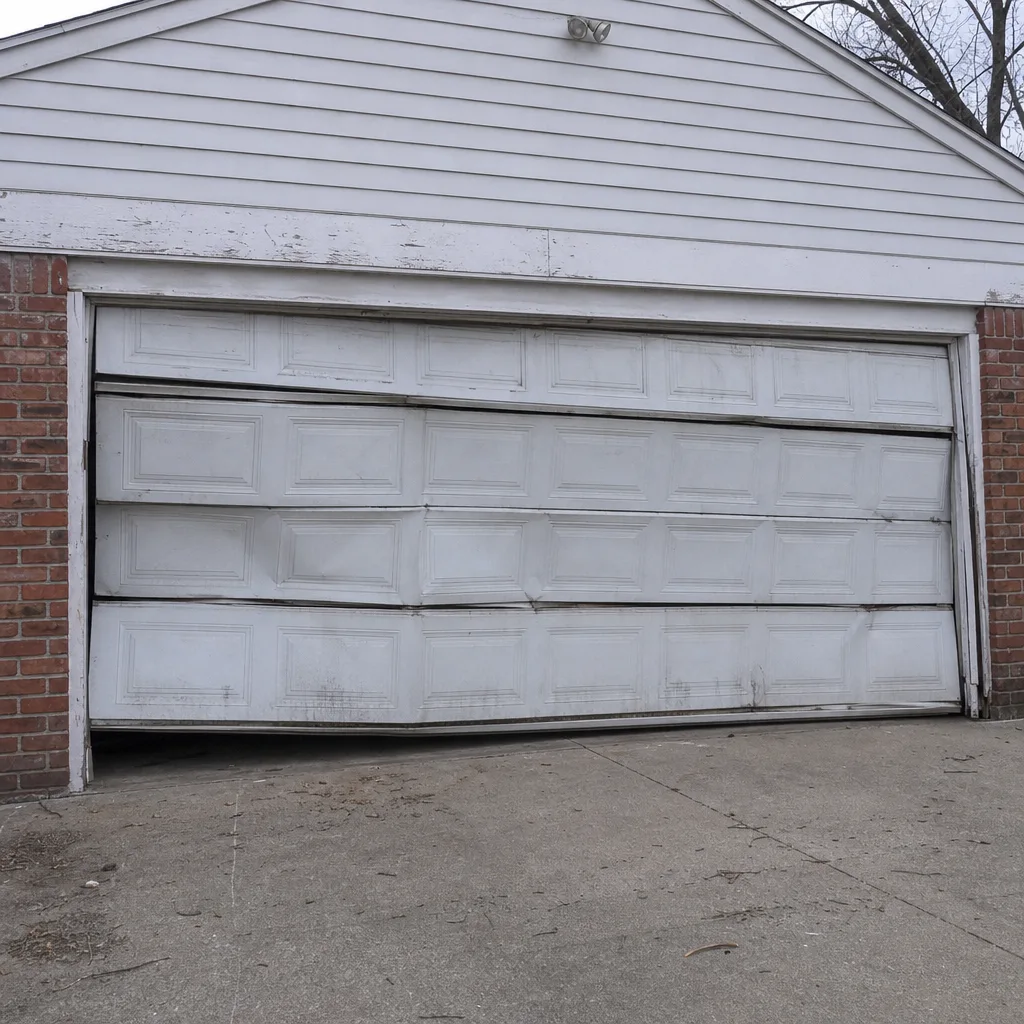 Before
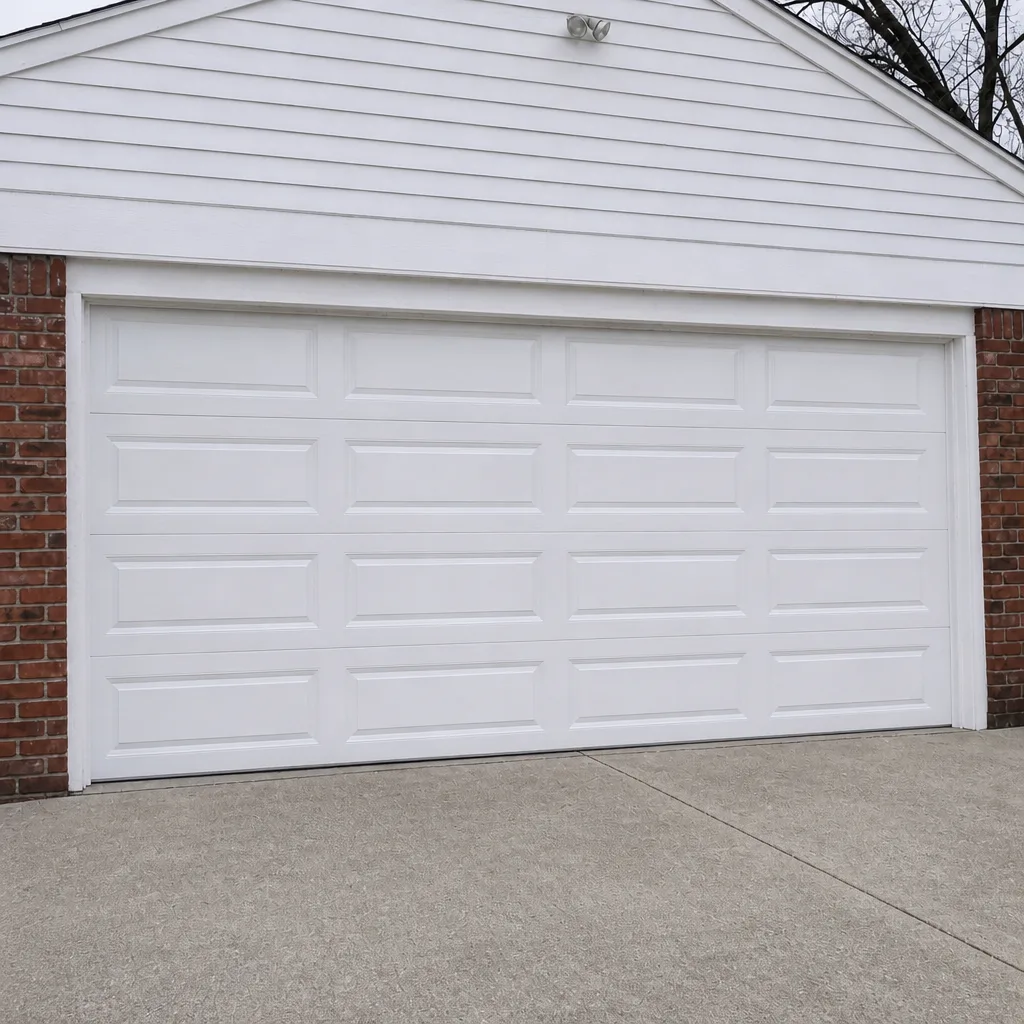 After
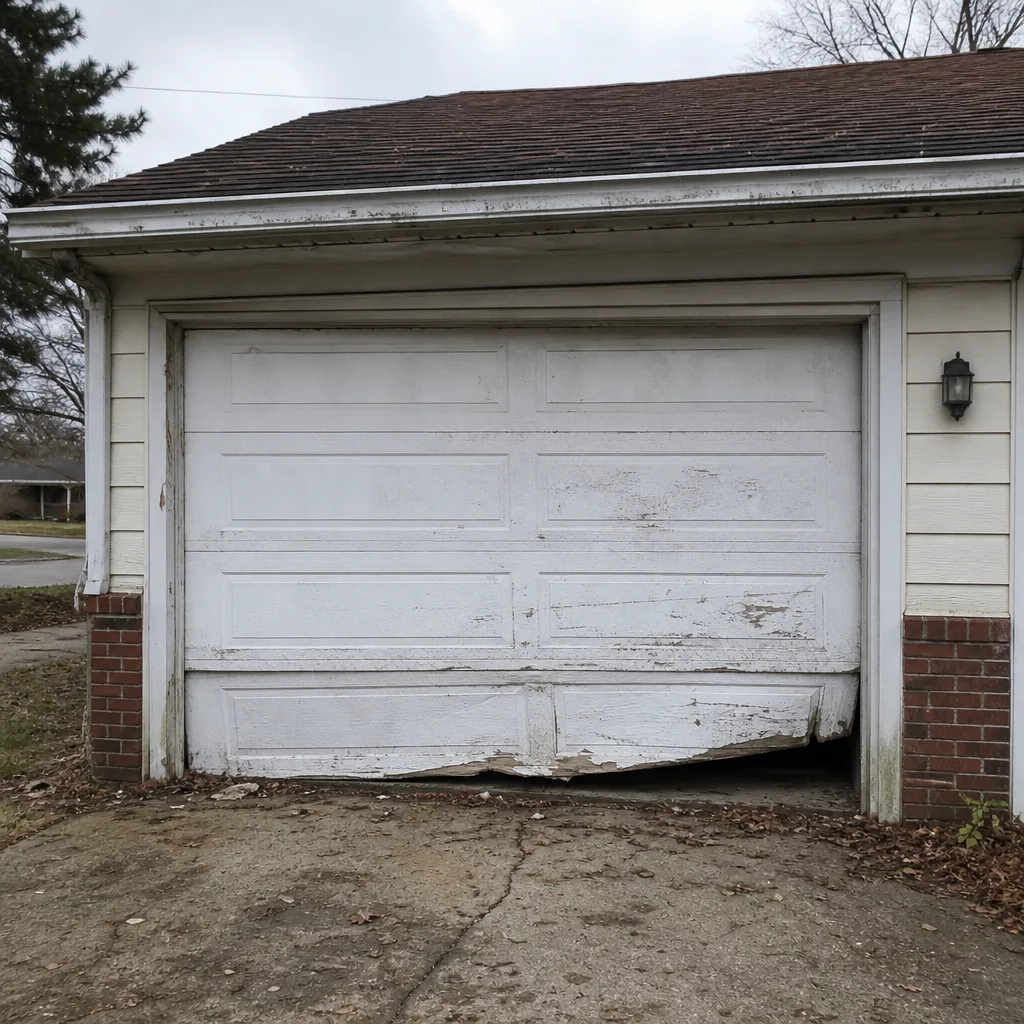 Before
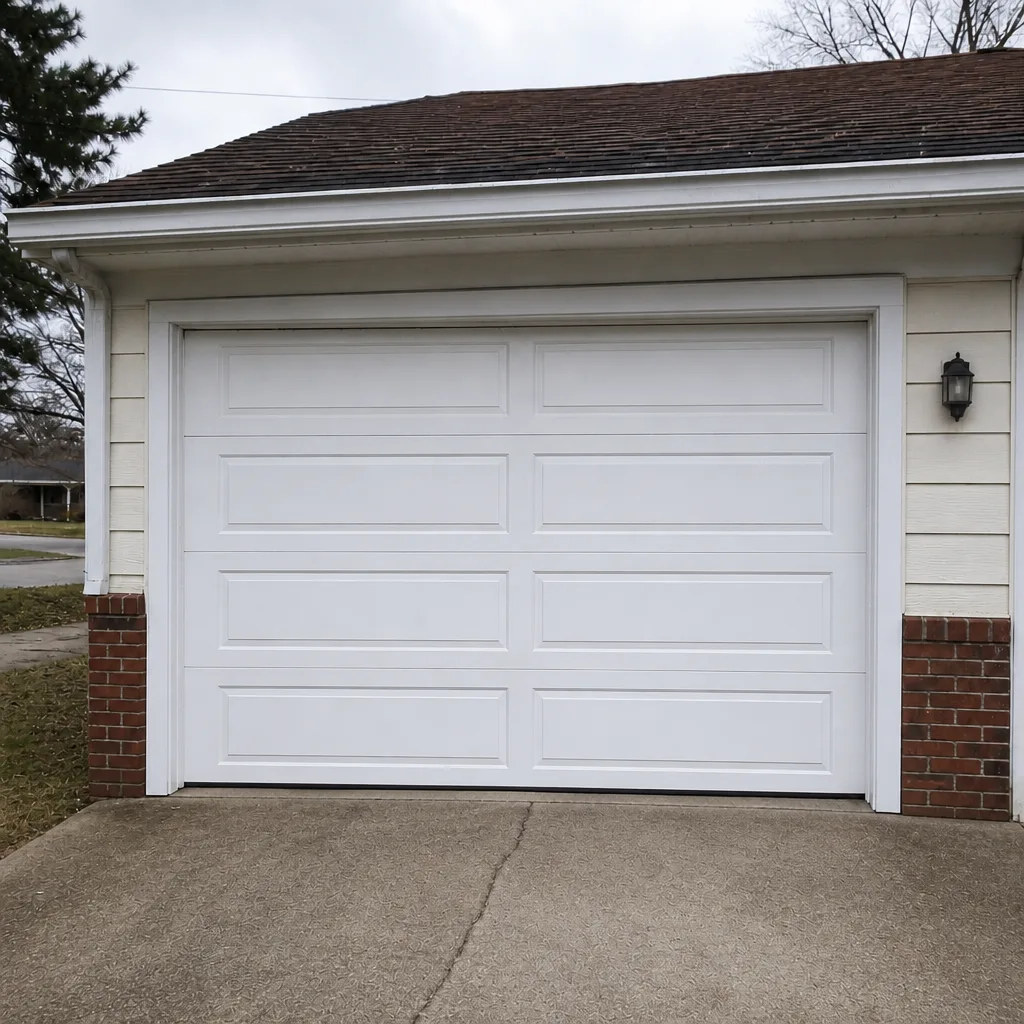 After
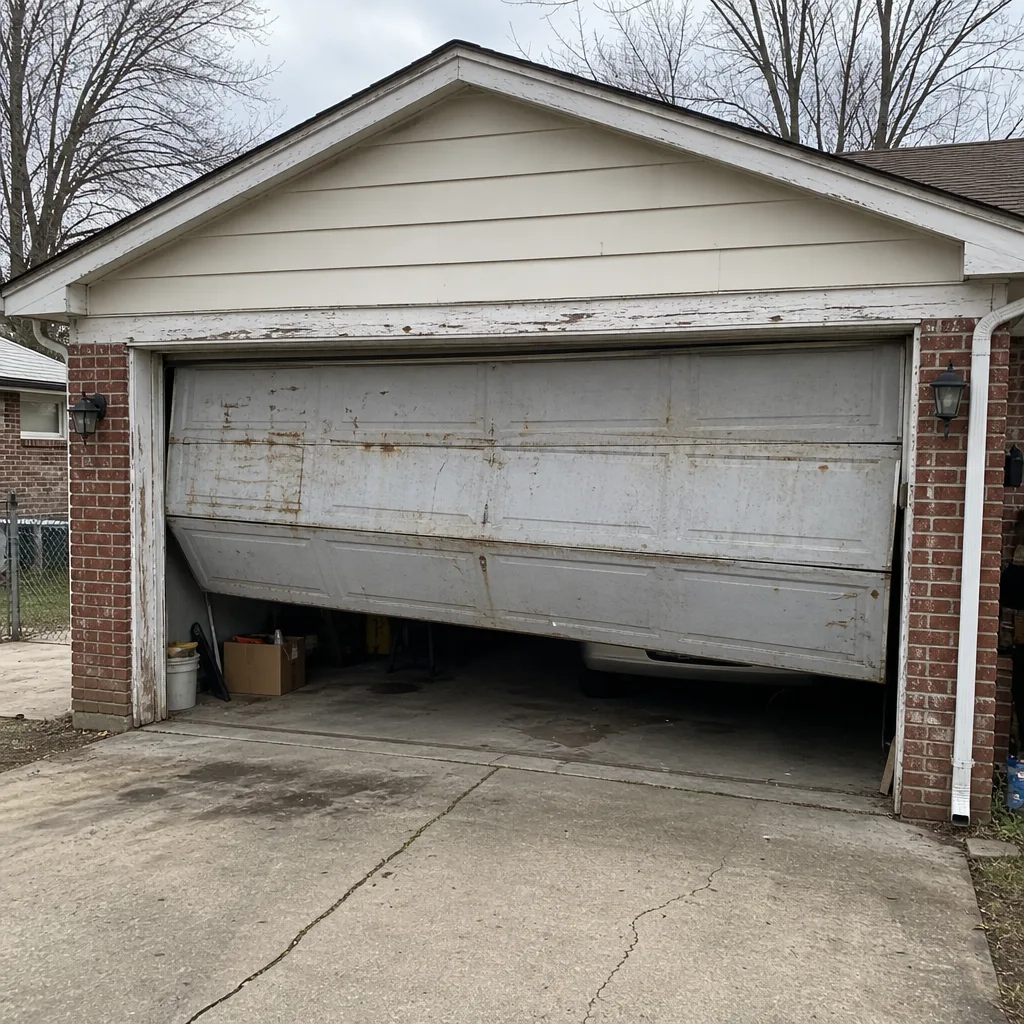 Before
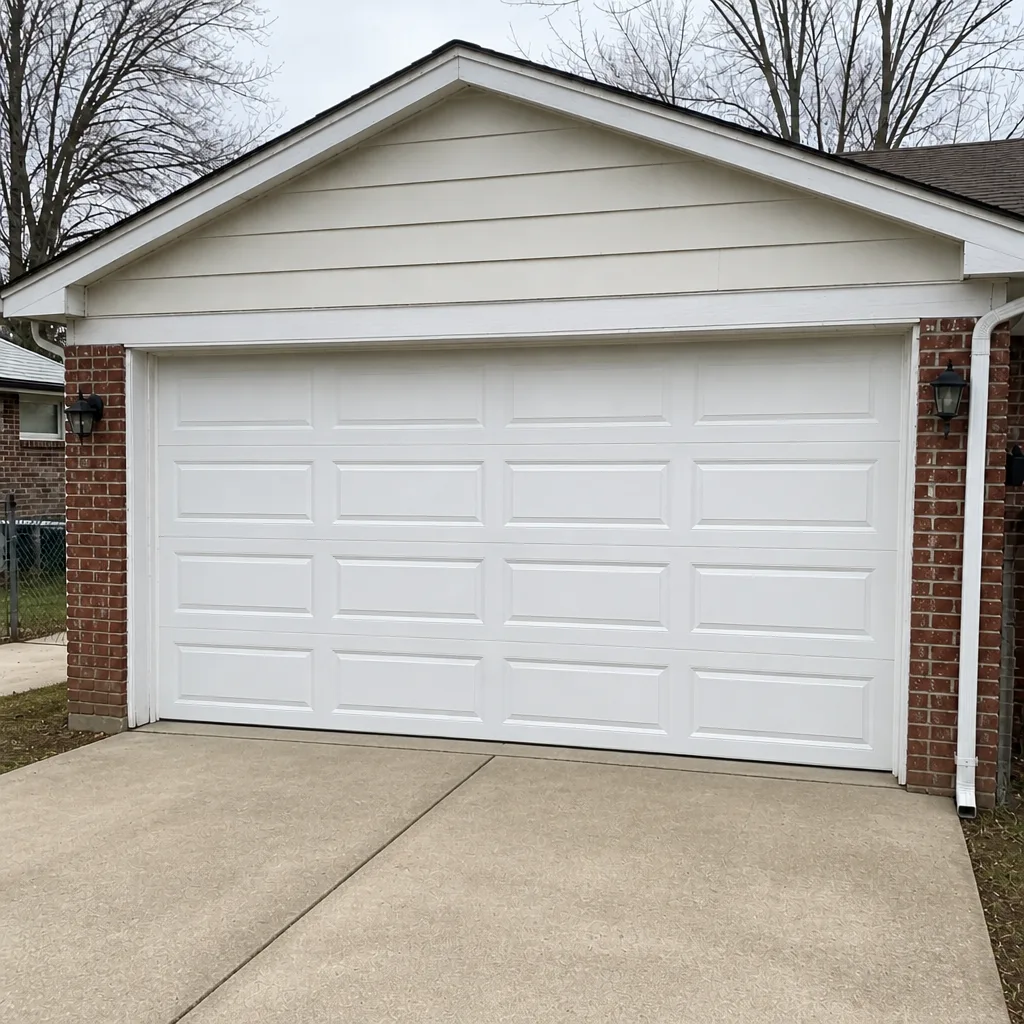 After
When to Call a Professional
Some jobs are clearly specialist territory. A broken torsion spring, a snapped or frayed cable, a door that has come off its track, or an opener that reverses for no visible reason all warrant a call. These are high-energy mechanical systems, and the injury risk from an unloaded spring or a snapped cable is real. If the door won’t open at all and a car is trapped inside, that moves to the front of the queue. If the opener hums but doesn’t move the door, stop pressing the button; you’re burning the motor. If the door is visibly crooked, sagging, or moving unevenly, don’t run it again until someone looks at it.
Avalon Garage Door Service offers free estimates in Sterling Heights. Call (866) 361-7888. We answer 24/7. Fast dispatch, 7am-7pm, Sunday through Friday. Estimates are free, and the price is agreed in writing before any work starts.
Frequently Asked Questions
Spring repair is priced per job by a written estimate rather than quoted over the phone, because the range depends on spring type, door weight, and whether both springs are being replaced together. Typical spring replacement in the Sterling Heights market sits in the low-to-mid hundreds of dollars for one spring, with a matched pair running roughly twice a single spring. The written quote you receive sets the final price, and you should agree to it before any work starts. Call (866) 361-7888 for a free estimate.
It depends on the scope. Larger jobs that modify the structural opening fall under Michigan residential builder or maintenance and alteration contractor classification, while smaller repair jobs can legally fall under the handyman exemption. What matters most regardless of classification is liability insurance and workers’ compensation coverage, because spring work carries real injury risk. Verify both before anyone touches your door. Call (866) 361-7888 to talk through what your specific job requires.
Ask the five phone questions: which opener brand parts they stock, what cycle rating they install on a standard two-car door, what wire gauge and drum type your door has, whether they diagnose opener faults in-house, and whether they measure before quoting a new door. A specialist answers all five specifically in under thirty seconds each. A generalist deflects, guesses, or asks to schedule a visit just to answer. Call (866) 361-7888 and test us on all five.
Not if the scope of work is confirmed. The written estimate you agree to before any work begins sets the final price for that scope. If the technician finds additional issues once the door is opened up – a bent track, worn cables, a damaged header – those are discussed with you and re-quoted in writing before anything is done, so nothing gets added to the invoice without your agreement. Call (866) 361-7888 for a free estimate on your specific job.
Often, yes. Many garage door and opener manufacturers make part of their warranty – especially longer-term section and finish coverage – conditional on installation by a contractor with the manufacturer’s authorization. Ask the contractor to show you the manufacturer’s warranty terms in writing for the specific model being quoted, and confirm exactly what portion of coverage survives installation. Get the workmanship warranty in the same document. Call (866) 361-7888 to discuss the brands we work with and their warranty structure.
They can attempt it, but it’s the wrong hire. Torsion springs store enough energy to cause serious injury if released without the right tools and training, and a spring installed at the wrong wire gauge or cycle rating will fail early or put excess load on your opener. A specialist sizes the spring to the door’s actual weight and cycle requirement. You should not attempt spring or cable work yourself. Call (866) 361-7888 and we’ll talk you through the right approach for your door.
The Bottom Line
Hiring a garage door contractor in Sterling Heights comes down to one filter: is this company specialized in garage doors, or is it a generalist with garage doors as one line among many? The five phone questions separate them fast. Read every quote line-by-line for hardware specs, cycle ratings, and exclusions – especially on “standard installation” language that hides removal, header work, and new weather seal. Ask about Michigan licensing and insurance coverage. Ask which brands the contractor services by name. And always get the written estimate, including the workmanship warranty, before anyone starts work. That’s the process. Everything else is noise.
Written by the team at Avalon Garage Door Service.