
Last updated November 16, 2026
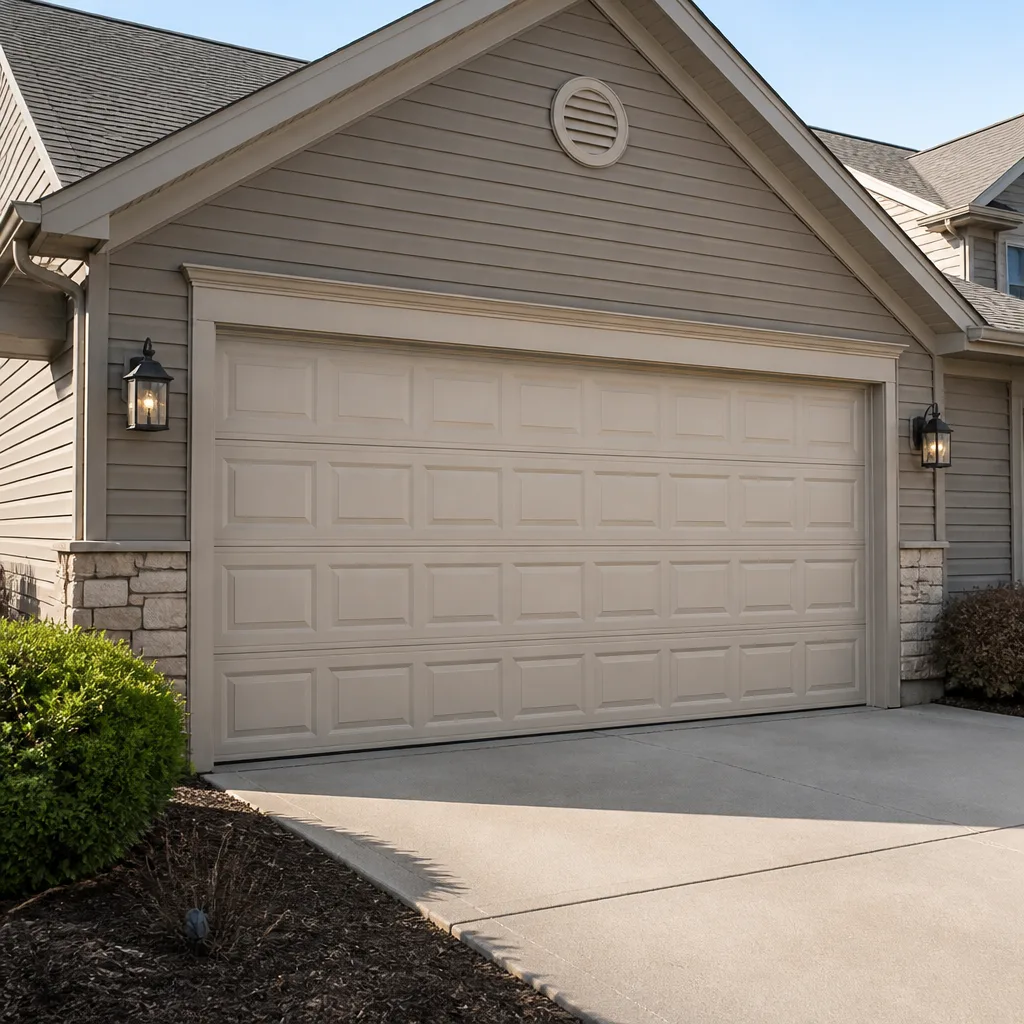 Raised-panel steel
 Carriage house
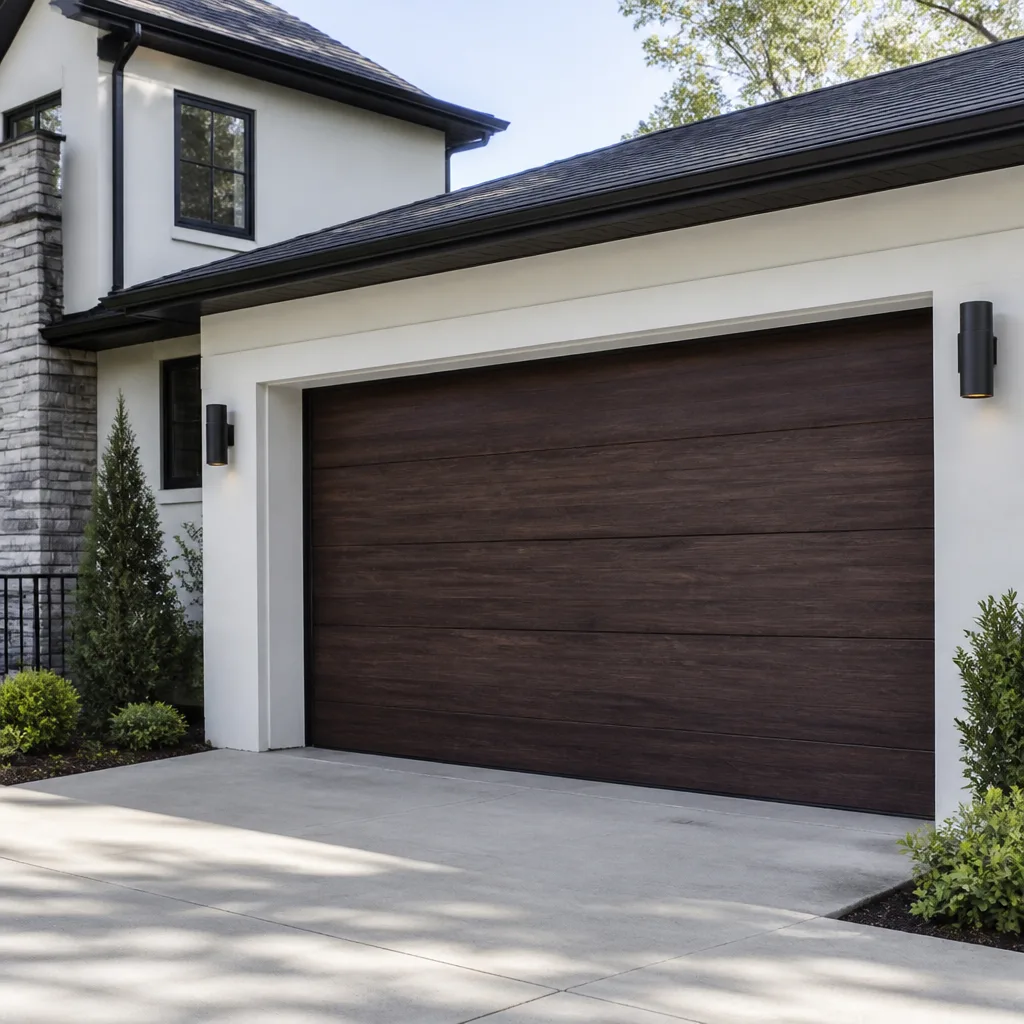 Modern flush
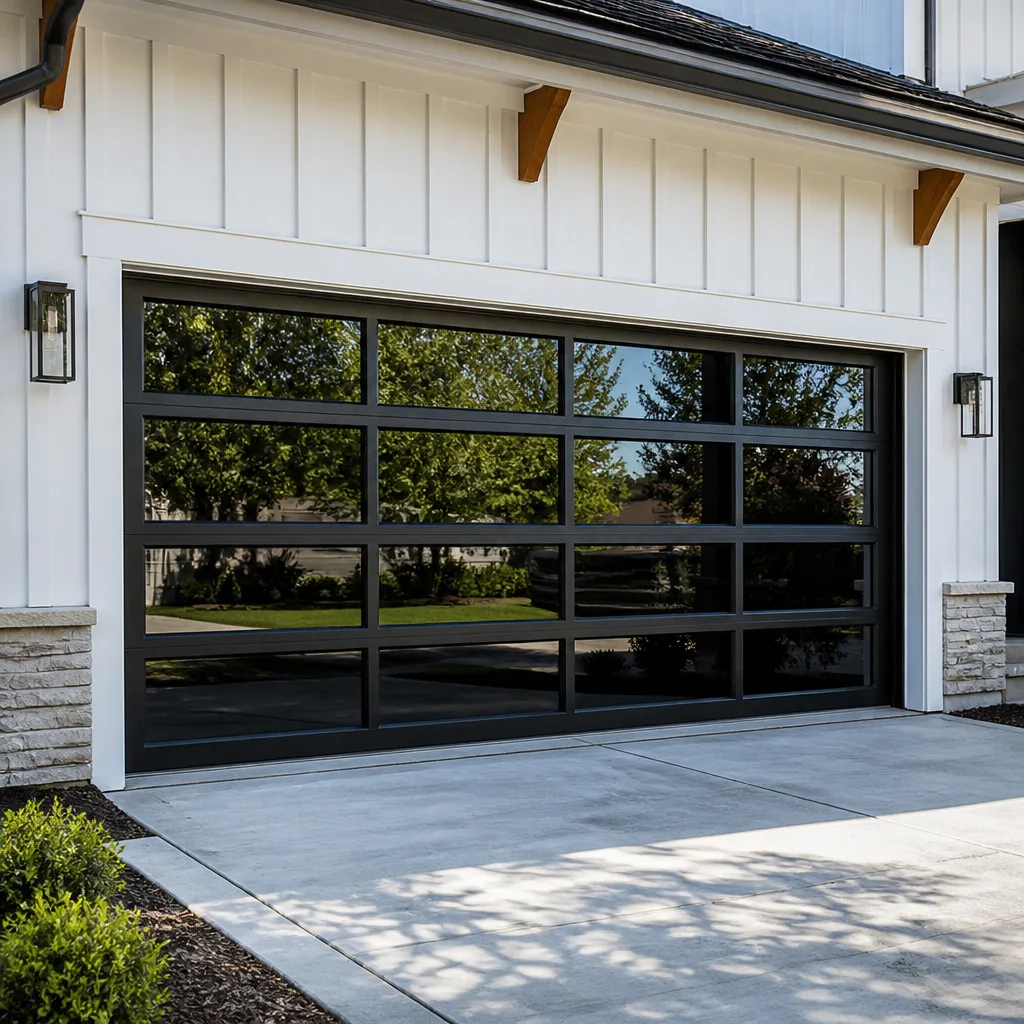 Full-view glass
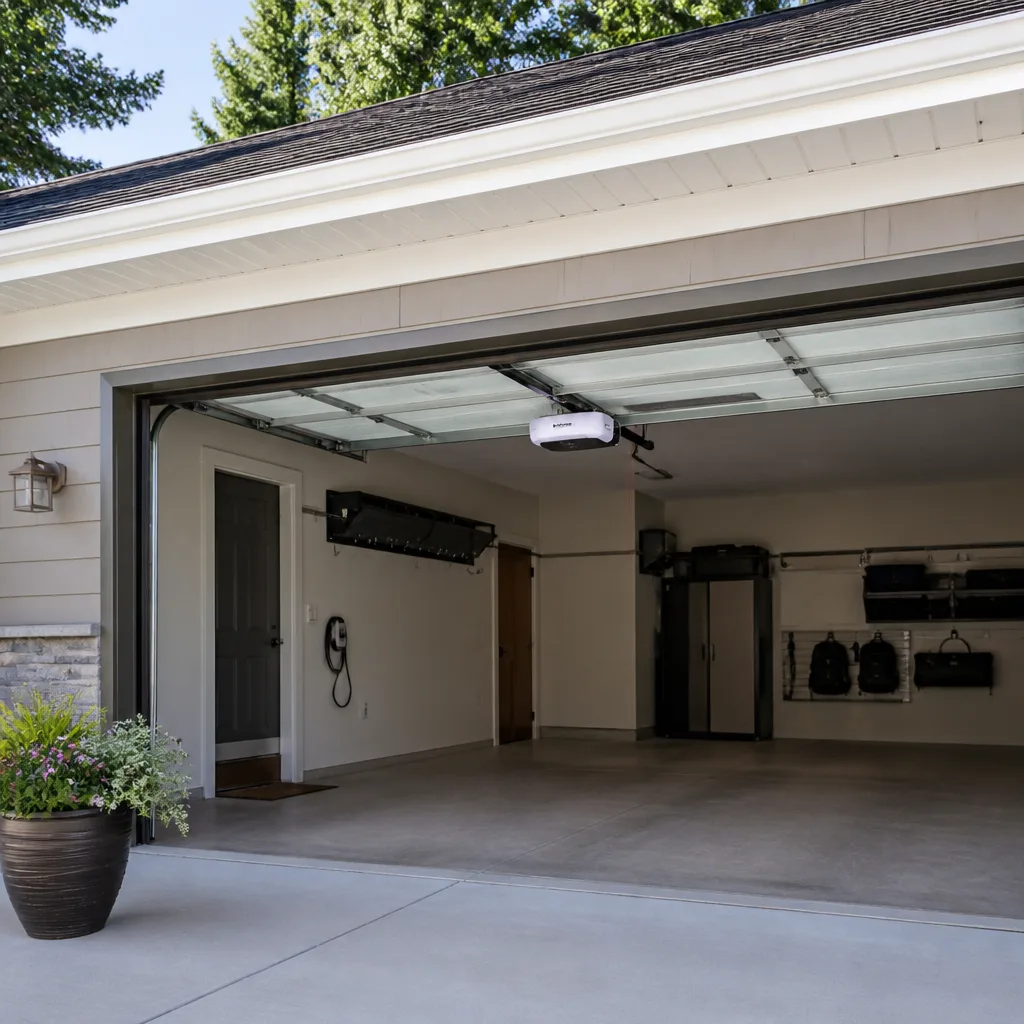 LiftMaster openers
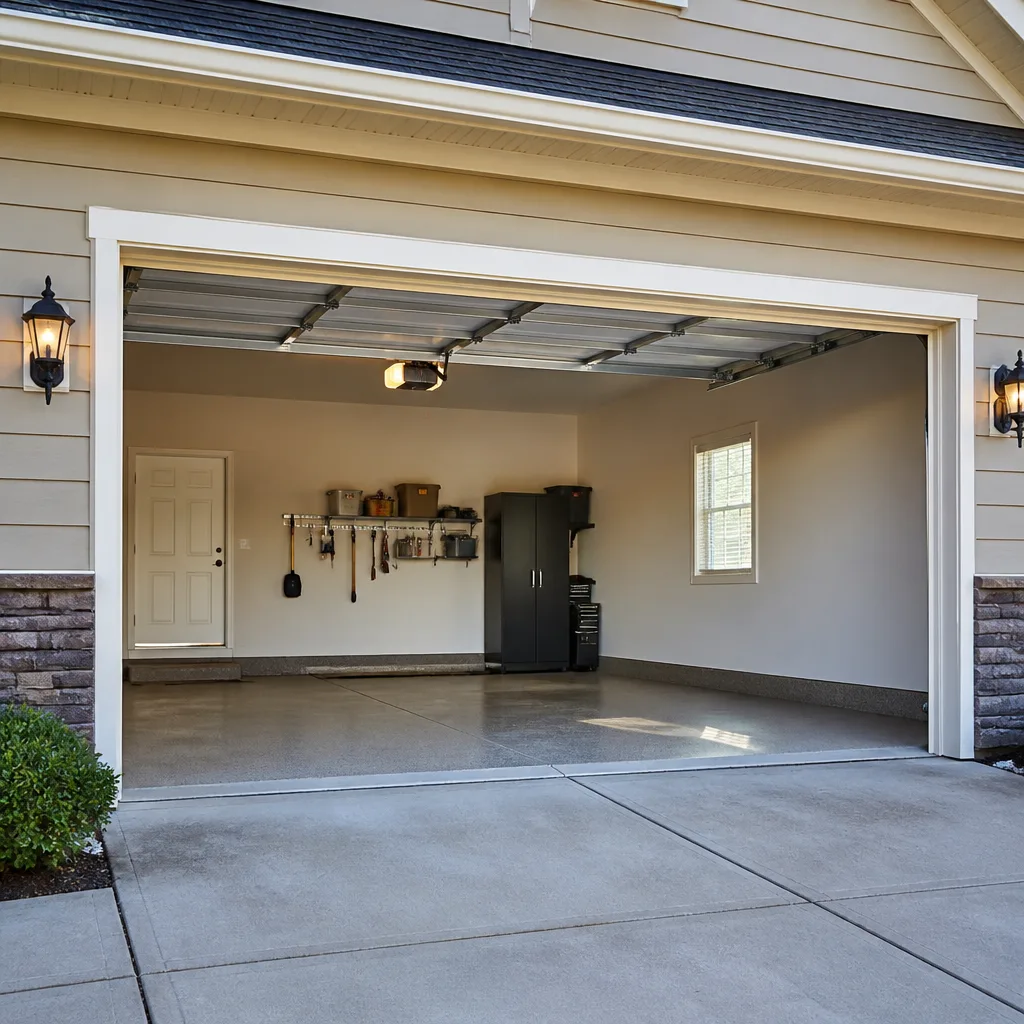 Chamberlain openers
Full 25-point door and opener safety check with every visit - springs, cables, rollers, tracks, and your LiftMaster or Chamberlain opener included
You get a price before we start. It does not change when the pro arrives.
Get your free estimateSeasonal Garage Door Care for Sterling Heights: Year-Round Homeowner’s Guide
The garage door part that fails in February was usually compromised in October. That’s the part most homeowners miss. A garage door in Sterling Heights doesn’t live through two seasons of maintenance; it lives through four distinct mechanical stress phases, and each one stresses different hardware in different ways. Cold contracts metal and stiffens lubricant. Heat expands it and pushes tracks out of alignment. The freeze-thaw cycle loosens fasteners you never touched. Treat the calendar as your diagnostic tool and you stop reacting to breakdowns and start preventing them. This guide maps what physically happens to your springs, seals, tracks, and opener as the year moves from freeze to thaw to heat and back to freeze again, and tells you exactly what to check in each phase.
Quick Answer
Seasonal garage door care in Sterling Heights means four maintenance phases, not one: a post-winter tension and fastener audit in March and April, a heat-expansion check on tracks and rollers in June through August, a prioritized pre-freeze checklist in September and October, and a frozen-seal protocol for safe operation from November through February. Handling the right task in the right phase prevents most of the failures that look sudden but were actually building for months. When a spring, cable, or opener issue shows up anyway, a trained technician can diagnose and correct it before it turns into a bigger repair.
Styles & brands we work with
- Raised-panel steel
- Carriage house
- Modern flush
- Full-view glass
- LiftMaster openers
- Chamberlain openers
Table of Contents
- Why Sterling Heights Has Four Garage Door Seasons, Not Two
- Spring Post-Winter Tension and Fastener Audit (March – April)
- Summer Heat and Track Alignment (June – August)
- The Pre-Freeze Checklist in Priority Order (September – October)
- Operating a Door When the Seal Is Frozen to the Floor (November – February)
- How Michigan’s Attached Garages Extend Some Component Life and Shorten Others
- The Year-at-a-Glance Maintenance Calendar
- Common Mistakes to Avoid
Why Sterling Heights Has Four Garage Door Seasons, Not Two
Most garage door maintenance advice treats the year as warm and cold. In Sterling Heights that framing misses half the work. What actually matters is the direction the temperature is moving and how fast, because the damaging events are the transitions, not the extremes.
Think about what a single door endures over twelve months in this climate. A torsion spring is under constant load and flexes every time the door opens. The metal fasteners holding the tracks to the jambs expand in July heat and contract in January cold. The bottom seal presses against a concrete floor that frost-heaves and settles. The opener’s drive gears and lubricant thicken as temperatures drop and thin as they climb. Each of these components responds to a different part of the calendar.
That’s why we treat the year in four mechanical phases rather than two meteorological seasons:
- Thaw phase (March – April): freeze-thaw cycles have worked every fastener loose and left the door slightly out of balance. This is tension and fastener season.
- Expansion phase (June – August): heat pushes metal outward, and tracks mounted on sun-facing walls drift out of parallel. This is alignment season.
- Pre-freeze phase (September – October): you have a shrinking window before the first hard freeze, and the tasks need to happen in a specific order. This is preparation season.
- Freeze phase (November – February): seals bond to the floor, lubricant stiffens, and operation itself needs care. This is protection season.
In our experience, the door that quits in the middle of winter was usually already carrying a compromised spring, a loose track bolt, or a seal that had hardened months earlier. The cold didn’t cause the failure; it exposed one that was already there. Four-phase care catches those problems in the phase where they’re cheap to fix. If you’re not comfortable inspecting the mechanical parts yourself, our garage door repair service covers exactly these seasonal checks and corrections.
Spring Post-Winter Tension and Fastener Audit (March – April)
By the time the ground thaws in Sterling Heights, your door has been through dozens of freeze-thaw cycles since November. Each one expands and contracts the metal fasteners holding your tracks, hinges, and spring anchor plate. The result is a door that’s subtly out of balance and a set of bolts that have quietly loosened. The spring audit is about catching that drift before summer, when a compromised spring gets worked harder.
What a post-winter audit actually checks
- Balance test: disconnect the opener and lift the door halfway by hand. A properly balanced door stays put. If it drifts up or down on its own, the spring tension has shifted.
- Fastener check: look at the bolts on the hinges, the track brackets, and the spring anchor plate. Loose fasteners are the most common thing a Sterling Heights winter leaves behind.
- Spring condition: with the door closed and the opener disconnected, look (don’t touch) at the torsion spring above the door or the extension springs along the sides. A visible gap in the coil or a stretched-out extension spring means it’s near the end of its service life.
- Cable inspection: check the cables for fraying or slack. Cables under tension are dangerous to handle, so this is look-only.
- Roller wear: worn steel or nylon rollers create a rough, noisy ride that gets worse as the year goes on.
Here’s the safety line we won’t cross, and neither should you. Torsion and extension springs are under extreme tension, and adjusting or replacing them without the right winding bars and training can cause serious injury. Same goes for the cables. What you can safely do is the look-and-listen part: the balance test, the visible fastener check, and the visual spring and roller inspection. Everything that involves releasing or re-tensioning a spring belongs with a trained technician. Our technicians have up to 14 years of experience with these systems, and a spring adjustment done right in April is far cheaper than an emergency call when it snaps in July.
This is also a good time to check the opener’s response. If the door reverses sluggishly or the opener strains during the first warm-weather cycles, that’s worth a look from someone who services the equipment, not a general repair call. If a Raynor or LiftMaster opener is dragging, the cause is usually mechanical, and our garage door opener repair service can trace it to the source.
Summer Heat and Track Alignment (June – August)
Summer in Sterling Heights does something to a garage door that winter doesn’t: it pushes metal outward. A garage whose door faces east or west gets direct sun on one wall for hours, and that wall, and the tracks bolted to it, expand more than the shaded side. The tracks tilt out of parallel. The door starts to bind, rub, or drag unevenly, and a homeowner who doesn’t know why assumes the opener is failing when the real problem is alignment.
How to tell heat is the culprit
- The door binds or rubs more on hot afternoons than in cool mornings.
- One side of the door moves more freely than the other.
- You hear metal-on-metal scraping that wasn’t there in spring.
- The door looks visibly angled at the top or bottom when closed.
Heat expansion is normal. The question is when to leave it alone and when to adjust. A door that binds only on the hottest afternoons and releases when it cools is mostly a lubricant and roller issue; a track that gets a light dry silicone lubricant and sound rollers often stops complaining. A door that stays off-track for days, or that has dragged so hard the opener reverses, needs the tracks realigned and possibly re-secured. East and west-facing garages feel this first and most. If your door faces south, the peak-sun exposure also cooks the bottom seal faster, so check that rubber for cracking in July, not just in fall.
One thing to leave to a professional: loosening track mounting bolts to “straighten things out.” Track alignment is a precision job, and a track that’s off by a quarter inch creates wear that shows up as a failed opener months later. If your summer symptom is a door that runs rough or an opener that seems to labor, the fix is usually a combination of lubrication, roller replacement, and a careful track adjustment. Our technicians work with LiftMaster, Chamberlain, Genie, and the other major brands we service, so the opener side gets diagnosed alongside the door side. Customers in Sterling Heights can reach us for the alignment question whenever the door starts misbehaving.
The Pre-Freeze Checklist in Priority Order (September – October)
This is the section to read twice if you read any of them twice. When you have one weekend before the first hard freeze, order matters. Doing these tasks in the wrong sequence wastes the weekend or, worse, leaves the most critical item unfinished. Here’s the priority order we recommend for a Sterling Heights door heading into winter.
- Lubricate first, and use the right product. Cold thickens every hinge, roller, and spring. A dry silicone or white lithium lubricant on the moving metal parts in October keeps them moving when it’s 15 degrees. Don’t use a heavy grease; it gets sludgy in the cold.
- Seal the bottom gap, and treat the floor contact point. The bottom rubber seal is what keeps cold air and snow out and what freezes to the floor. Check for cracks and hardening now. A clean, pliable seal that sits flat is your best defense against the frozen-door problem in step five of winter.
- Test the auto-reverse and photo-eye safety features. Cold air and low light are exactly when safety systems should work perfectly. Put a block of wood in the door’s path and confirm it reverses. Then wave something through the photo-eye beam and confirm the door reacts.
- Bring the door into balance. A door that’s slightly out of balance in October becomes a strained opener in January. If your spring audit in spring flagged anything, resolve it now.
- Weatherstrip the door-to-jamb gaps. Any daylight you can see around the door is a heat leak and a freeze point.
- Check the opener’s force settings and battery backup. These are last because they’re adjustments, not defects. If the opener has been dragging, the setting may need to be reviewed by someone who services the equipment.
The logic behind the order is simple: lubrication and sealing protect moving parts before cold can seize them, safety features get tested before they’re needed, and balance and opener settings are corrected once you’ve eliminated the friction problems that caused them. If you get through the first four, you’ve handled the tasks that actually prevent winter breakdowns. The rest can happen later. When a fall inspection turns up a failing spring or a track that won’t stay aligned, get a professional opinion before the freeze sets in. A free estimate in Sterling Heights now costs you nothing and spares you a holiday door failure.
Operating a Door When the Seal Is Frozen to the Floor (November – February)
Every winter, a garage door in Sterling Heights tries to open while its bottom seal is bonded to the floor. The seal yields, the door yanks free, and the bottom bracket takes the shock. Sometimes it pops a roller or strains the opener. The right approach is to free the seal before the opener ever pulls.
The safe way to operate a frozen-sealed door
- Don’t force it. If the door hesitates on the first open command, stop. Repeated attempts build strain and can snap a cable or bracket.
- Free the seal by hand. Before opening, get down and check whether the bottom seal is stuck to the concrete. If it is, work a plastic scraper or a thin wedge gently along the seam to break the bond. Don’t use a metal tool that could tear the seal.
- Clean and protect. Once you free the seal, wipe the floor contact area dry. A dry seal is less likely to bond again. Some homeowners use a light coat of silicone spray on the seal’s bottom edge as a winter ritual.
- Check the bottom bracket after any cold snap. The bracket that holds the bottom of the door to the cable is the part that takes the shock if a seal bond turns into a forced open. If you’ve ever opened the door after a hard freeze and heard a pop, have the bracket inspected.
- Watch the opener. An opener that has to work against a stuck seal is an opener under extra load. If your LiftMaster or Chamberlain opener reverses during a cold morning, it may be sensing resistance from a stuck seal, not failing on its own.
A word on the danger here: the bottom bracket and the cables under it are under spring tension and can release violently if handled wrong. Freeing a frozen seal is something you can do gently by hand. Replacing a bracket or adjusting cables is a technician’s job. If a frozen seal has already done damage, don’t ignore it as cosmetic; it’s the first link in a chain that strains the opener and unbalances the door. Our garage door repair work covers bottom brackets and cables as routine service. We answer 24/7 if a door fails on a cold morning.
How Michigan’s Attached Garages Extend Some Component Life and Shorten Others
An attached garage in a Sterling Heights home isn’t a standalone shed. It shares walls and often insulation with the house, and that changes the physics of everything inside it. The garage stays a few degrees warmer than the outdoor air in winter and a few degrees cooler than baking-exposed walls in summer. Those few degrees matter more than most homeowners realize, and they cut both ways.
What the thermal buffer helps
- Lubricant stays usable longer. A garage that holds some of the house’s warmth keeps metal parts a degree or two above the outdoor temperature, so lubricants don’t stiffen as hard as they would in a detached, unheated garage.
- Springs see slightly gentler temperature swings. Consistent metal temperature means less daily expansion and contraction, which is easier on coil springs over the long haul.
- Seals bond to the floor less aggressively. A garage that tends to stay above the deep-freeze mark gives the bottom seal a fighting chance to break free cleanly instead of bonding hard.
What the thermal buffer accelerates
- Moisture exchange across the shared wall. Warm air from the house meeting a cold garage wall can create condensation, and moisture is unkind to hinges, rollers, and the metal of the tracks. That’s a reason to keep those parts lubricated and to keep an eye out for rust.
- Road salt tracked in on vehicles. Sterling Heights winters put salt on the roads, and every car that parks in the garage brings a little in. Salt-laden slush splashing up onto the door’s bottom section and bottom bracket accelerates corrosion on those lower parts.
- Heat retained in the structure during summer. A garage that shares insulated walls with the house can run warmer in summer than a freestanding one, and that retention pushes track expansion harder on the walls closest to the house.
The practical takeaway: an attached garage rewards you for lubricating moving parts and for checking the lower sections of the door after slushy weather. It also means your spring and seal conditions deserve a seasonal look, because the thermal buffer helps some parts and quietly works against others. Anyone who services doors in Sterling Heights sees this pattern often, and it’s one reason the four-phase approach makes sense here. Our full range of Avalon Garage Door Service capabilities covers the repair and replacement work these seasonal issues create.
The Year-at-a-Glance Maintenance Calendar
Here’s the whole four-phase system in one place. Use it as a checklist pinned to your garage wall or as a reminder to schedule the professional parts.
- March – April (thaw phase): balance test, fastener check, visual spring and cable inspection, roller check, opener response check. Book a spring audit if the balance test fails or a spring looks tired.
- June – August (expansion phase): watch for track binding on hot afternoons, check the bottom seal for heat cracking, listen for scraping, lubricate rollers and hinges. Call for a professional track alignment if the door stays off-track or the opener drags.
- September – October (pre-freeze phase): lubricate, seal the bottom, test auto-reverse and photo-eye, bring the door into balance, weatherstrip the jambs, review opener force settings and battery backup, in that order.
- November – February (freeze phase): free a frozen bottom seal by hand before opening, check the bottom bracket after hard freezes, watch the opener for cold-morning reversal, keep the floor contact area clean and dry.
Two tasks belong to every phase: keep the moving parts lubricated with a product that behaves in the cold, and keep an eye on the bottom seal and lower door sections, which take the brunt of floor contact and road slush. If you’d rather have all the checks handled for you, our technicians work on all eight of the major door and opener brands and can audit the whole system in one visit. The rest of the year, that frees you to just watch for the four phases’ early warning signs: imbalance in spring, binding in summer, sticking in fall, and frozen seals in winter.
Common Mistakes to Avoid
- Lubricating with the wrong product in fall. Heavy grease seems like it should protect hinges through winter, but cold turns it into sludgy resistance that strains the opener. Use a dry silicone or white lithium lubricant instead, and apply it in October before the cold sets in.
- Forcing a frozen-sealed door open. Pulling hard to break the seal bond is how bottom brackets and cables fail under cold-load shock. Free the seal by hand first, and let the opener pull an unstuck door.
- Skipping the fall checklist order. Sealing the bottom before lubricating the hinges, or testing the safety reverse before correcting imbalance, wastes the weekend and leaves the most important winter protections unfinished. Follow the priority order.
- Adjusting tracks or springs yourself. A track off by a quarter inch creates wear that shows up later as an opener failure, and springs under tension are genuinely dangerous to touch. Both belong with a trained technician.
- Ignoring the summer heat signal. A door that binds only on hot afternoons is telling you the tracks need a look. Waiting for it to stop working entirely turns a track adjustment into a track and opener repair.
- Treating an attached garage as maintenance-free. The shared wall that keeps the garage a few degrees warmer also brings condensation and salt off your vehicles. Check the lower door sections and bottom bracket after every slushy stretch.
- Assuming a winter failure means winter caused it. Most cold-weather breakdowns trace back to a spring, seal, or fastener that was already compromised in fall. The four-phase check catches problems in the season where they’re small.
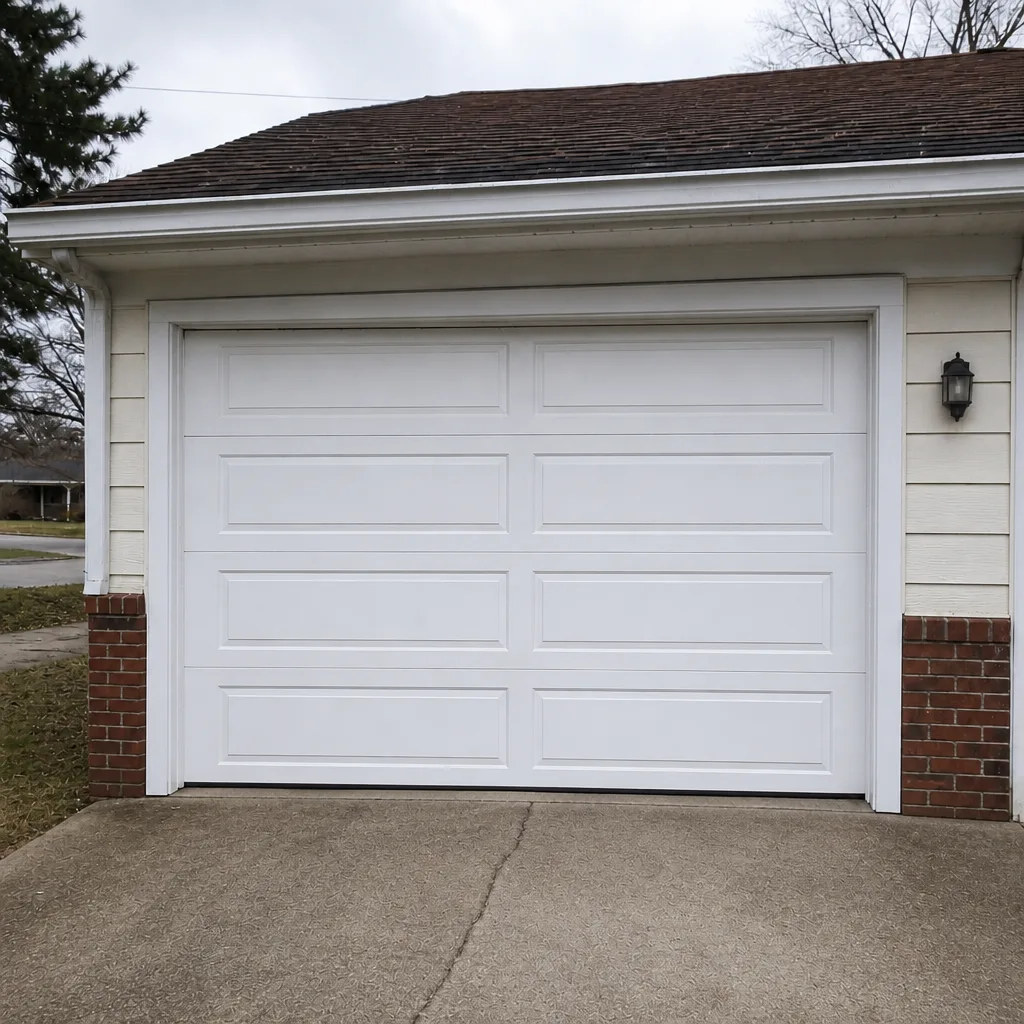
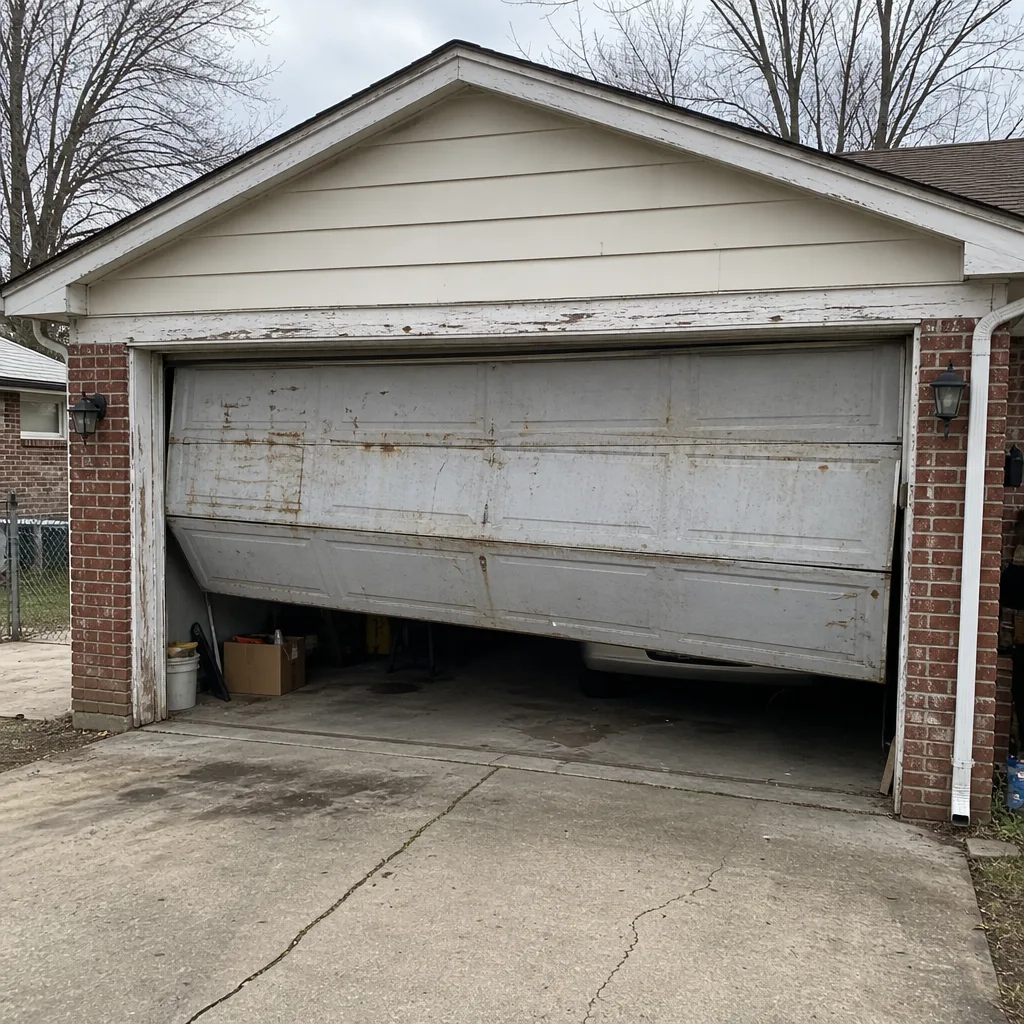
See the difference
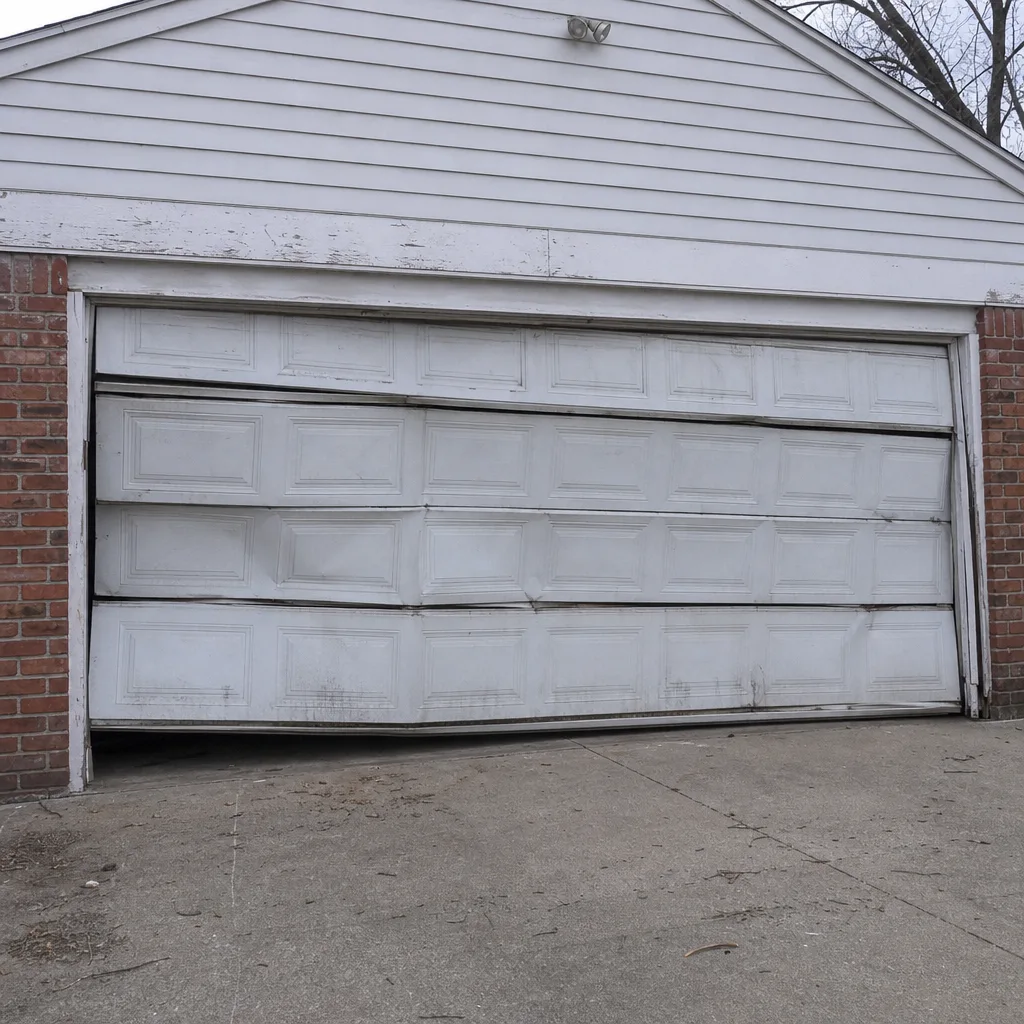 Before
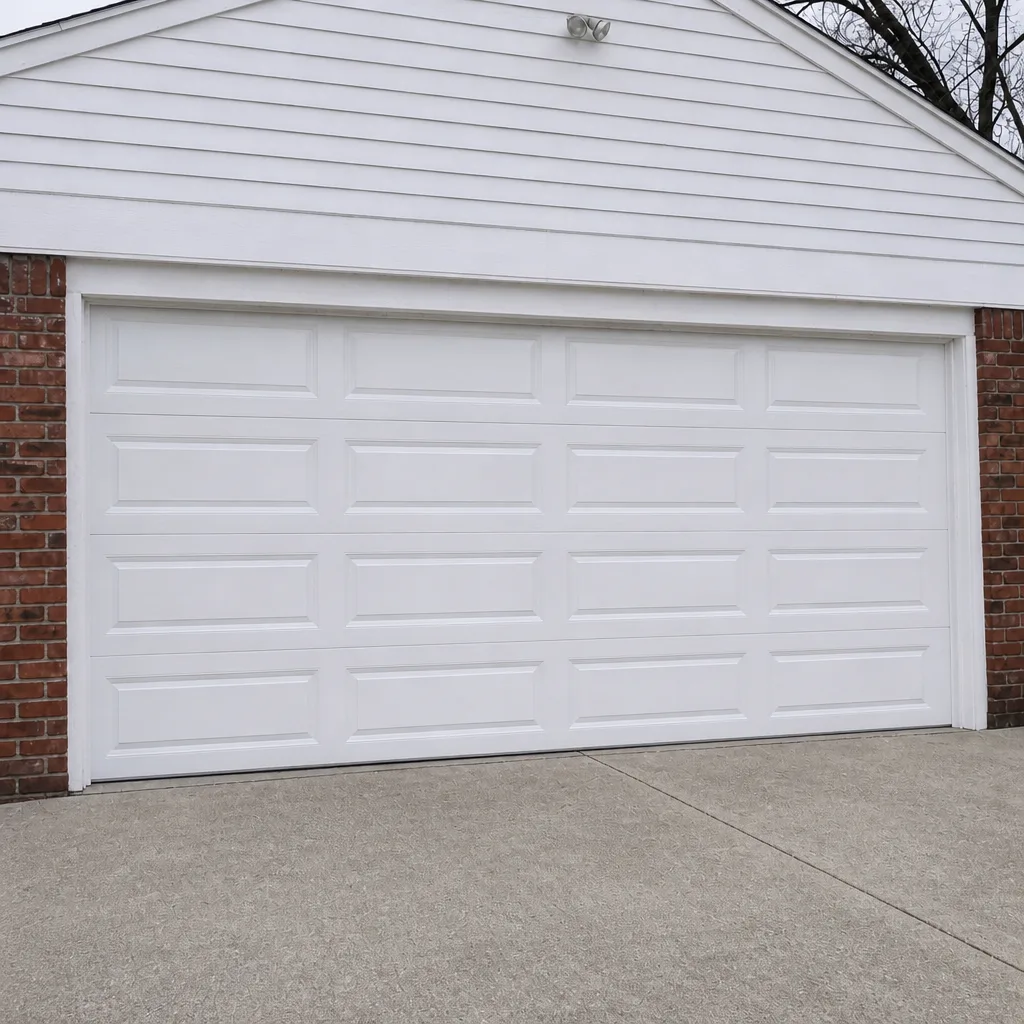 After
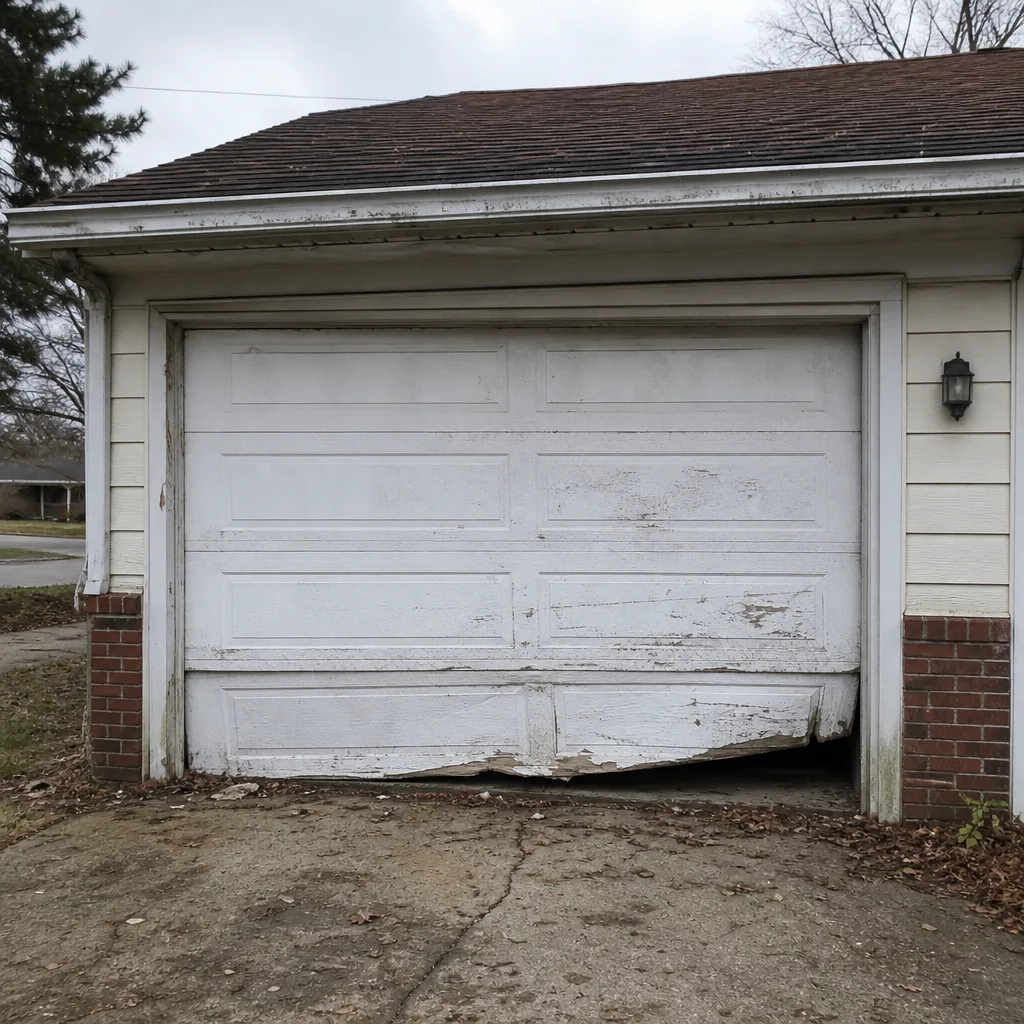 Before
 After
 Before
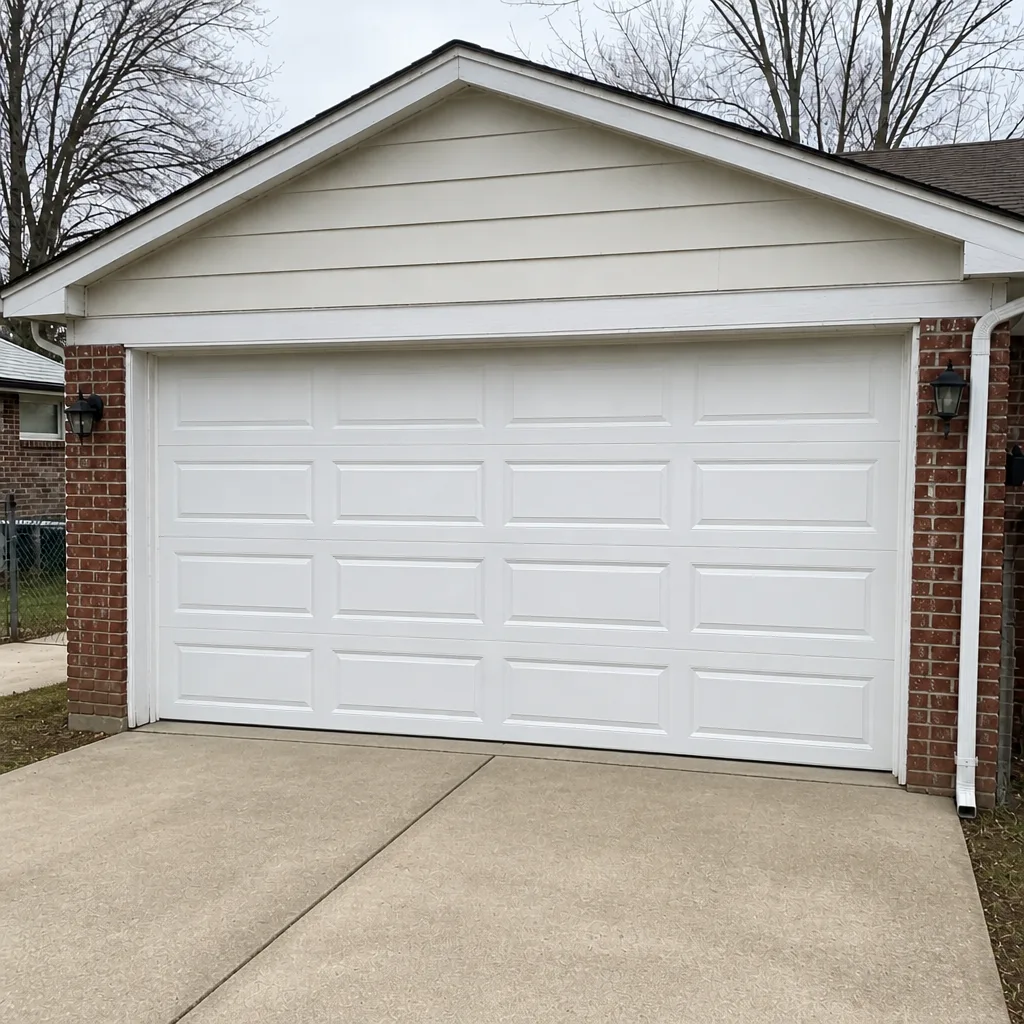 After
When to Call a Professional
Some seasonal tasks are yours: the balance test, the visual fastener check, freeing a frozen seal by hand, and a fall lubrication pass. Some belong with a trained technician, and those are the ones to schedule rather than tackle. Call a professional when the balance test shows the door drifting on its own, when a visible gap appears in a spring coil or an extension spring stretches out, when a track stays off-line or the door binds on hot days, when the opener reverses or drags without an obvious cause, or when a bottom bracket has taken a shock from a frozen seal.
Avalon Garage Door Service offers free estimates in Sterling Heights. We handle repair, opener service, and full installation from a single point of contact. Call (866) 361-7888. We answer 24/7. Fast dispatch from 7am to 7pm, Sunday through Friday. Saturday we’re closed, so a door that fails late in the week gets booked into Sunday’s opening.
Frequently Asked Questions
Four times a year, aligned to the four mechanical stress phases rather than just spring and fall. A post-winter audit in March or April, a heat and track check in June through August, a pre-freeze checklist in September and October, and a frozen-seal and lubrication routine from November through February. Most years, one of those visits is a professional inspection and the rest are things you can do yourself. Call (866) 361-7888 for a free estimate if any phase turns up a problem.
Because heat expands the metal tracks, especially on east and west-facing garages that get direct sun on one wall. The tracks drift slightly out of parallel and the door starts to drag or rub. A door that binds only on hot afternoons usually responds to lubrication and a careful track adjustment, but a door that stays off-line needs a professional look. If summer binding is followed by a straining opener, call (866) 361-7888.
Not by force, no. Forcing the door pulls against a bonded seal and the bottom bracket takes the shock, which can snap or strain cables. Free the seal by hand with a plastic scraper along the seam before you run the opener. Never touch the cables or bracket yourself if something has already popped. Call (866) 361-7888 and our technicians can inspect the damage.
Lubricate the moving metal parts with a cold-tolerant product, then seal the bottom gap, then test the safety reverse and photo-eyes, then correct any imbalance, then weatherstrip the jambs. That order protects moving parts before cold can seize them and tests safety before it’s needed. If the balance test fails in step four, our technicians have up to 14 years of experience restoring proper tension. Call (866) 361-7888 for a free estimate.
They can, but not evenly. The repeated expansion and contraction works fasteners loose and pushes tracks out of alignment, while a garage shared with the house stays a few degrees warmer and eases some of the strain on springs and lubricant. The components that suffer most are the ones in constant floor contact and the lower sections that catch road slush. Call (866) 361-7888 if you want the whole system checked.
Not necessarily. An opener that has to pull against a frozen or sluggish seal senses resistance and reverses as a safety feature. Free the seal by hand first and retest. If it still reverses with a free seal, the opener or its force settings need attention from someone who services the equipment. We work on LiftMaster, Chamberlain, Genie, and the other major brands, and our garage door opener repair covers exactly this. Call (866) 361-7888.
The Bottom Line
Seasonal care only works when you’re treating causes instead of reacting to symptoms. Sterling Heights gives your garage door four distinct mechanical stress phases, and each one needs its own tasks in its own order: a spring and fastener audit after the thaw, a track and heat check in summer, a prioritized pre-freeze checklist in fall, and a frozen-seal protocol in winter. Keep the moving parts lubricated, check the bottom seal and lower sections, follow the fall order, and leave springs, cables, and track adjustments to a trained technician. Our technicians have up to 14 years of experience with doors and openers from every major brand, so a seasonal check catches the small problems before they become February breakdowns. A door that’s cared for through all four phases is a door that opens when you need it, all year.
If a seasonal inspection turns up something you’d rather have handled, or if a door in your Sterling Heights home has already stopped cooperating, we’re the specialist to call. Our garage door experts handle repair, opener service, and installation from one point of contact, and our technicians work across LiftMaster, Chamberlain, Genie, Clopay, Amarr, Wayne Dalton, Craftsman, and Raynor equipment. Call (866) 361-7888 for a free estimate. We answer 24/7. Fast dispatch from 7am to 7pm, Sunday through Friday.
Written by the team at Avalon Garage Door Service.