
Last updated November 16, 2026
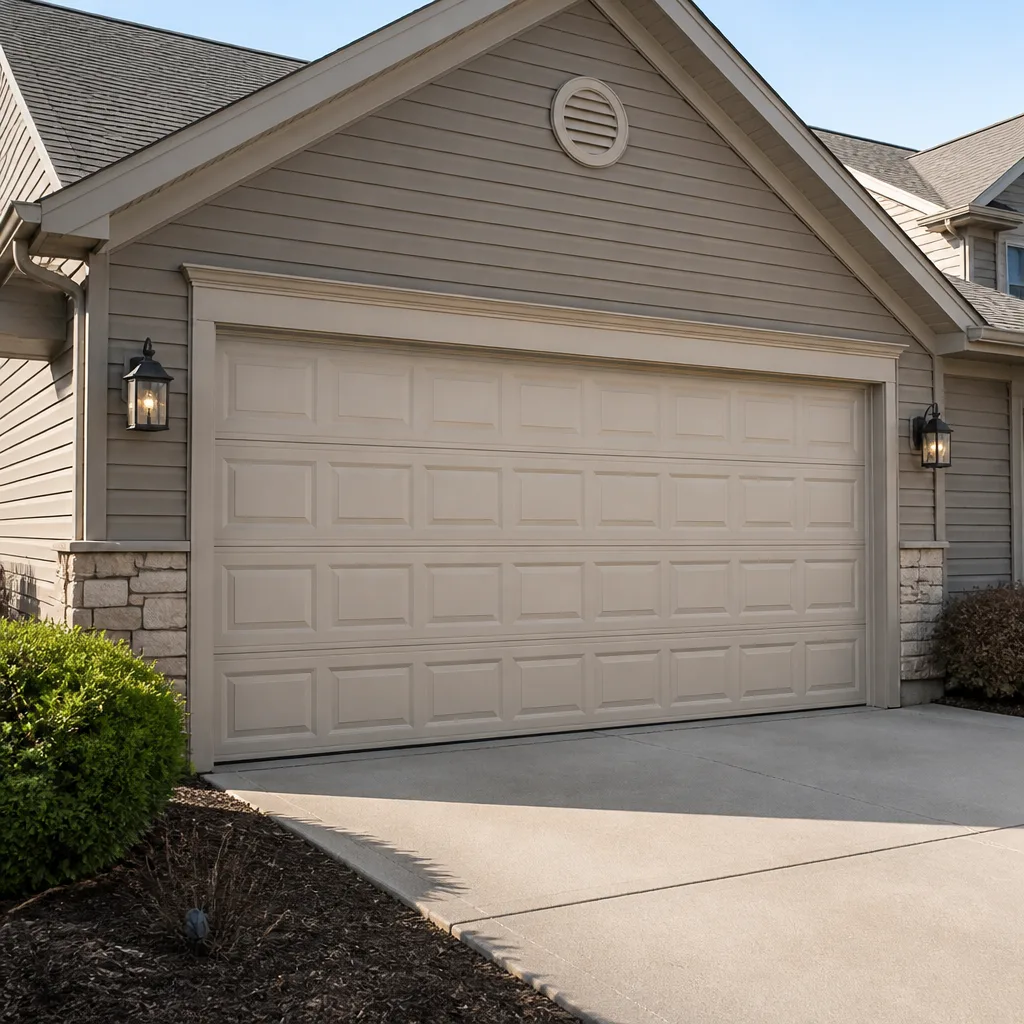 Raised-panel steel
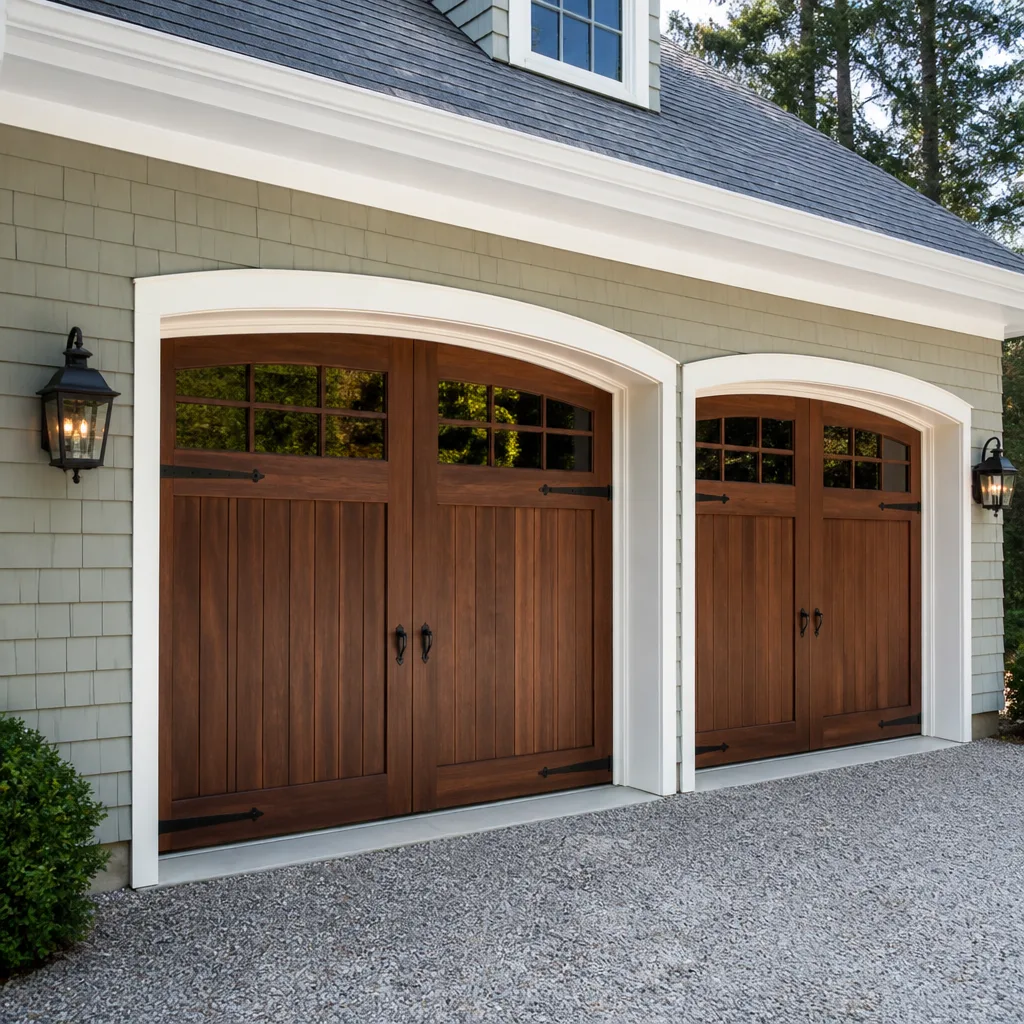 Carriage house
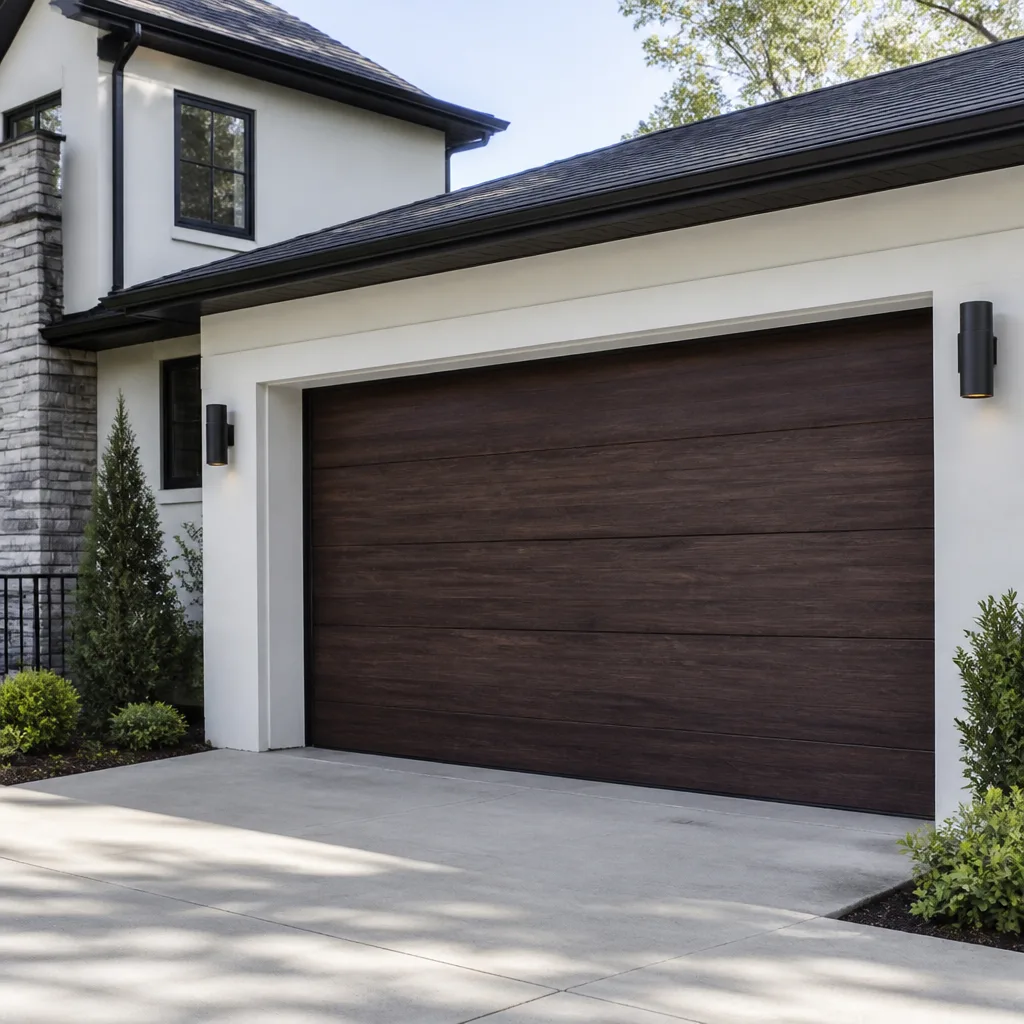 Modern flush
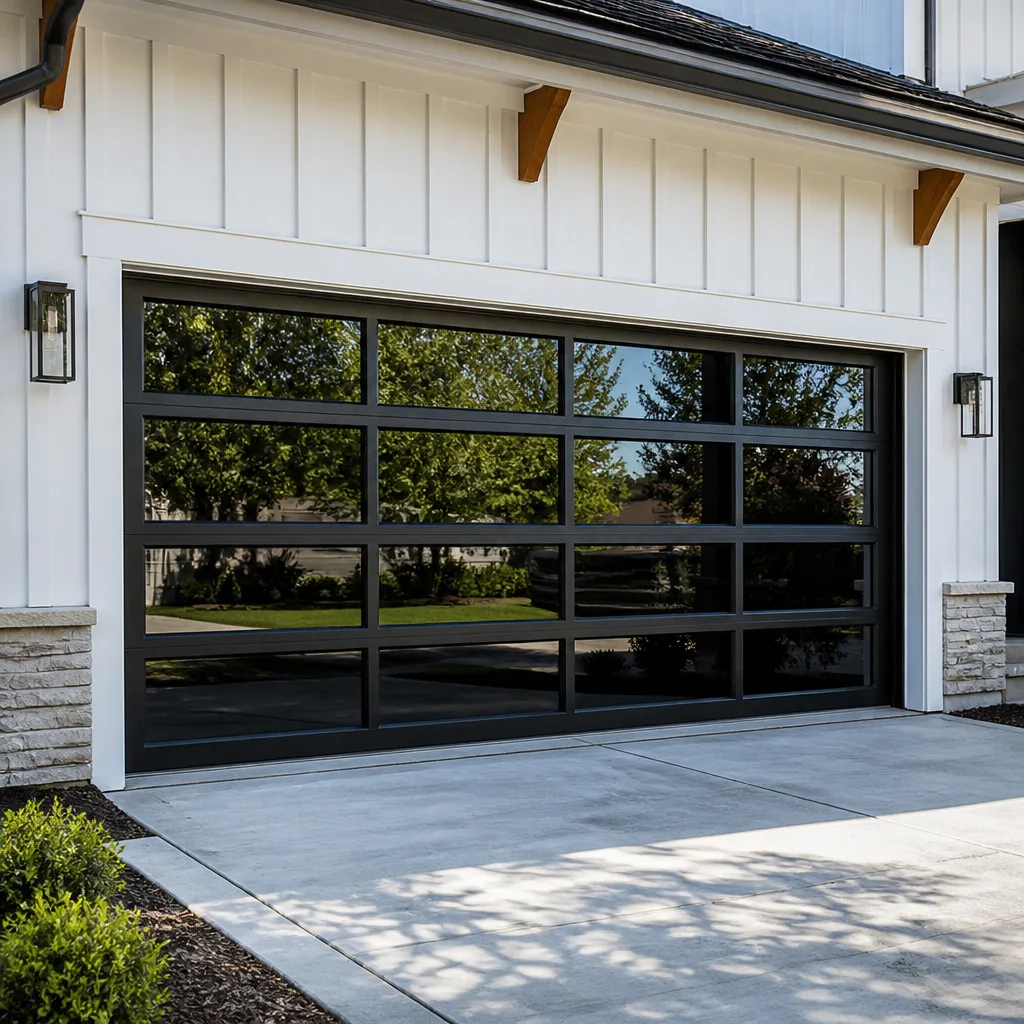 Full-view glass
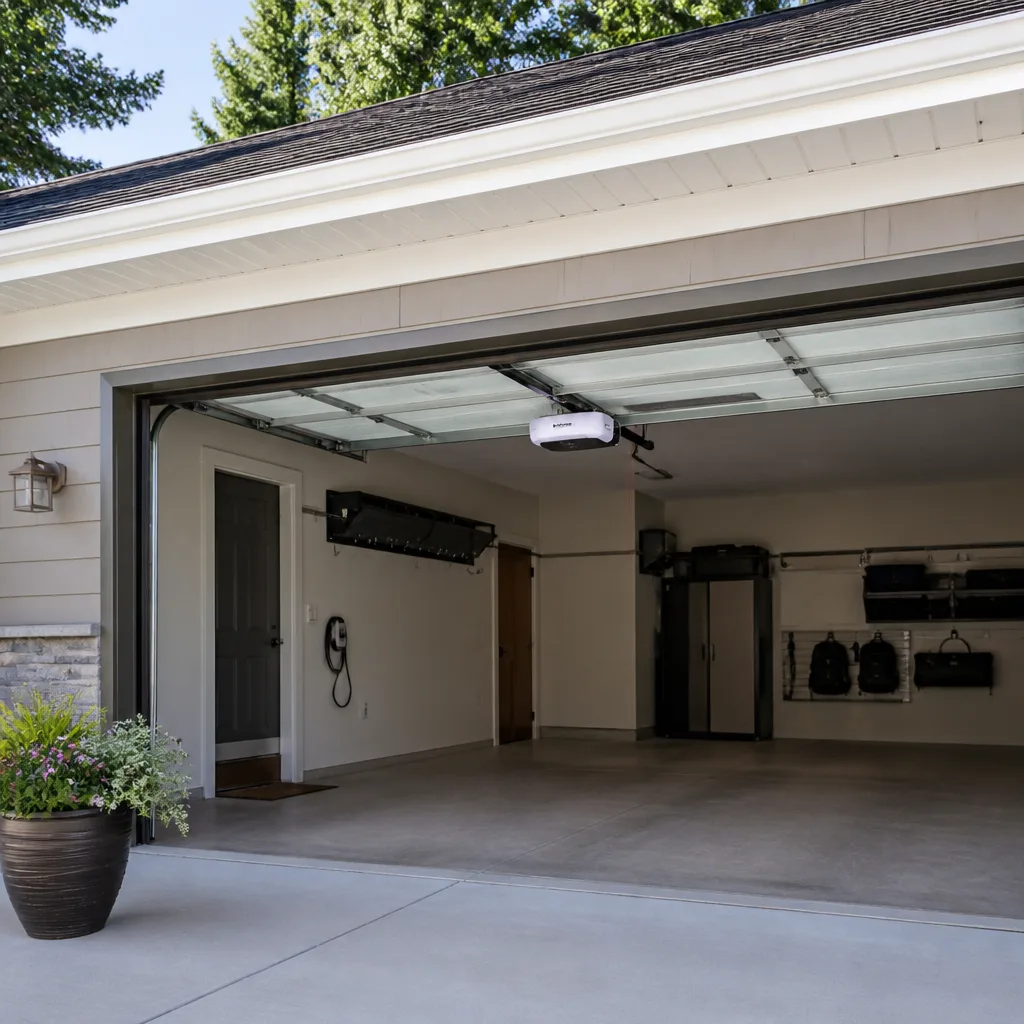 LiftMaster openers
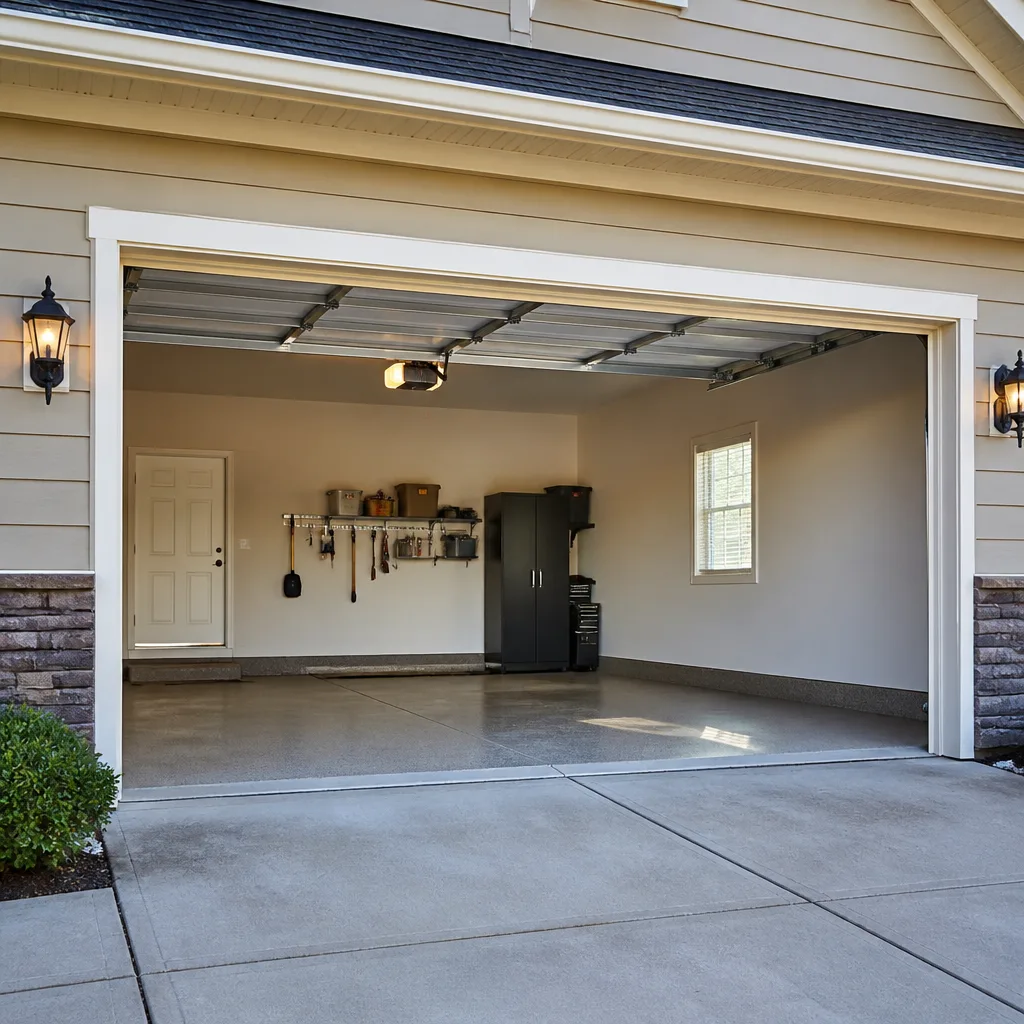 Chamberlain openers
Full 25-point door and opener safety check with every visit - springs, cables, rollers, tracks, and your LiftMaster or Chamberlain opener included
You get a price before we start. It does not change when the pro arrives.
Get your free estimateGarage Door Warning Signs: A Sterling Heights Homeowner’s Reference Guide
A door that “runs slow in the morning” isn’t a vague quirk. It’s a specific symptom, and it points to one of two very different components: a spring that has stiffened with cold, or an opener motor that’s straining against resistance it shouldn’t be fighting. Those two problems have completely different urgency levels and completely different repair costs, and treating them as the same thing is how small fixes turn into emergency calls. In this reference guide, we connect each observable symptom to the component actually failing, rate how much runway you have in Sterling Heights conditions, and tell you what to do next.
Quick Answer
The most serious garage door warning signs are a door that reverses before contacting the floor, uneven movement where one side lags, a loud bang followed by a door that won’t lift, and visible cable fraying. Noisy operation, slow response, and grinding sounds are earlier-stage signals that point to lubrication, rollers, or opener limits and are usually far less urgent. Any symptom involving the springs or cables themselves is a stop-operating signal and needs a trained technician, not a homeowner with tools.
Styles & brands we work with
- Raised-panel steel
- Carriage house
- Modern flush
- Full-view glass
- LiftMaster openers
- Chamberlain openers
Table of Contents
- How to Read a Garage Door Warning Sign
- Door Hesitates Going Up vs. Going Down
- Grinding Noises: Cold-Weather vs. Year-Round
- Uneven Door Movement: Spring, Cable, or Track?
- The 48 – 72 Hour Spring Failure Tell
- Why Your Door Reverses Before the Floor in Michigan Winter
- Urgency Ratings for Sterling Heights Conditions
- When to Call a Professional
How to Read a Garage Door Warning Sign
A garage door is a balancing system, and almost every warning sign is really the system telling you that balance has shifted. Two torsion springs (or, on older and lighter doors, extension springs) hold most of the door’s weight. The opener’s job is not to lift the door; its job is to guide a door that’s already nearly weightless. That’s why a failing spring shows up first as an opener problem and why homeowners often replace a perfectly good opener when the real fault was mechanical.
The same logic applies to the cables and drums that transfer spring tension to the door, the rollers that ride the track, and the track itself. When one of those drifts out of spec, the symptom shows up somewhere else on the system. In our experience across Sterling Heights, the fastest way to misdiagnose a door is to treat the symptom in isolation.
Every warning sign in this guide falls into one of three tiers. Use the tier, not the symptom, to decide how fast you need to act:
- Tier 1 – Monitor. Noise, slowness, or a small alignment shift. Safe to keep operating for days, but worth booking an appointment before it worsens.
- Tier 2 – Schedule soon. Something has visibly changed in how the door moves or sounds. Stop daily use where you can and get it looked at within the week.
- Tier 3 – Stop operating. Springs, cables, or the door’s ability to stay up are in question. This is a hazard, not an inconvenience, and it needs a trained technician.
We’re Avalon Garage Door Service, a single-trade garage door specialist. Every technician, tool, and part we use is specific to garage doors, which means we’ve seen the same handful of failure patterns play out hundreds of times across Sterling Heights. Our technicians have up to 14 years of experience, and the patterns below are the ones we teach first.
Door Hesitates Going Up vs. Going Down: Why the Direction Matters
A door that hesitates on the way up and a door that hesitates on the way down are not the same problem, and the mechanics prove it. Going up, the opener and springs work together against gravity. Going down, gravity does the work and the springs are mostly being re-tensioned. When one direction stutters and the other doesn’t, you’ve narrowed the fault to a specific subsystem.
Hesitation on the way up
A door that stutters, stalls, or needs a second attempt to lift is almost always fighting excess weight. That points to:
- A weakening or partially broken spring. The most common cause. The opener has to make up the difference the spring no longer covers.
- Dry, worn, or seized rollers. Friction rises, the door’s effective weight rises with it.
- A binding track. A slight bend or a track pushed out of plumb will pinch the rollers on the way up.
- Opener motor torque limit set too low, or the motor retiring. Real, but less common than mechanical resistance. We confirm this last, not first.
Hesitation on the way down
A door that hesitates downward is a different animal. Gravity is pulling it; hesitation downward usually means something is dragging, catching, or telling the opener to re-engage. The usual causes:
- Bent or misaligned track. The door catches on the way down where the rollers load differently than they do upward.
- Obstruction sensor misalignment. A sun glare issue or blocked photo-eye will cause the door to reverse or stall as the beam is interrupted.
- Down-limit switch out of adjustment. The opener thinks the door is already at the floor before it is.
- Roller wear near the bottom panel. Bottom brackets and rollers take the hardest load and wear first.
Hesitation on the way up is the more serious column. If a spring is losing tension, every lift cycle accelerates that wear. Hesitation on the way down is more often an adjustment or sensor problem, and can usually wait for a scheduled visit rather than a same-day call. Either way, this is exactly the kind of question our garage door repair team asks over the phone: which direction, and does it happen every cycle or only when it’s cold.
Grinding Noise: Cold-Weather Only vs. Year-Round
Grinding that shows up in January and disappears in April is a lubrication problem. Grinding that shows up in July and January and never goes away is a worn component problem, and the two require completely different fixes. This is one of the biggest sources of “why did my cheap repair not last three months?” complaints, because lubrication won’t solve a worn bearing and replacing a bearing won’t solve dry rollers.
Cold-weather-only grinding
In a Sterling Heights winter, metal contracts and every grease that was marginally adequate in October becomes stiff and reluctant in January. Rollers, hinges, and the torsion shaft don’t get their normal film of lubrication and start to chatter. This is a Tier 1 signal. A proper lubrication of the correct points, using a product made for garage door hardware, usually resolves it for the season. Never use general-purpose grease in cold climates; some products get thicker in the cold and make the problem worse.
Year-round grinding
A grinding that persists across seasons points to something mechanical that has actually degraded:
- Worn roller bearings. Nylon rollers wear smooth for years and then fail suddenly. Steel rollers with sealed bearings are more durable but fail too.
- A damaged cable drum. The drum that the cable winds onto can develop a rough spot where it catches the cable.
- A failing opener gear or drive. Chain and screw openers develop gear wear that sounds like a gravel grind, not a squeak.
- Loose hinges and hardware. The bolts on section hinges work loose over years and the panels grind against them.
Year-round grinding is Tier 2. Book the visit. Letting a worn drum or bearing run is how a cable fails, and a cable failure is what turns a scheduled repair into a same-day call.
Uneven Door Movement: Spring, Cable, or Track?
When one side of your garage door is visibly lower than the other, three different things can cause it, and each requires a very different response. Triage order matters.
- Check the cable on both sides for slack or visible fraying. A cable that’s jumped off its drum is a Tier 3 signal on that side. Stop operating the door.
- Look at the gap between the door and the floor on both sides. A visible gap on one corner with no cable problem on the visible side usually means a torsion spring has lost tension on one half of a matched pair.
- Look down the track from inside the garage. A bent track curves away from the door; a properly aligned track is dead straight. This is a Tier 2 signal on its own.
- Check whether the door sits level when fully closed but tilts as it descends. This points to a limit or adjustment problem, not a mechanical failure.
Which component usually wins on an uneven door? Spring, most of the time. With a two-spring torsion system, one spring can weaken or break while the other keeps holding, and the door sags on the side with the weaker spring. A single-spring torsion system will hang the entire door down on one side. A cable that’s jumped a drum produces a sudden, sharp unevenness rather than a gradual one. A bent track produces a binding on one side that feels like resistance rather than a sag.
Uneven movement is Tier 2 bordering on Tier 3. If the door’s tilt is worse than a couple of inches, stop operating it and call. We’re the garage door specialist in Sterling Heights, and this specific problem is one of our most common diagnostic calls because homeowners don’t know which of the three causes they’re looking at.
The 48 – 72 Hour Spring Failure Tell
There is a visible, reliable sign that a torsion spring is within days of failing. It’s a small gap, roughly the width of a coin, in the tightly wound coil of the spring itself. When you see that gap and the spring is otherwise intact, the spring has started to crack internally and can let go at any cycle.
Here’s what makes this dangerous. A torsion spring holds enormous stored energy even when the door is down. When it finally breaks, it does so with a loud crack and metal can move unpredictably. Never stand under a torsion bar to inspect. Never try to lift the door into an open position to see the gap better. From a safe distance and a normal viewing angle, you can see the gap in the coil. Don’t put your head, hands, or body near it.
If you see this sign, the door is Tier 3. Stop operating it now. Every cycle between noticing the gap and getting a repair visit shortens the odds that the spring fails at a random moment, potentially with the door open and a vehicle inside. There is no home fix here. Springs, cables, and the torsion bar itself require specialized tools and training, and this is the one warning sign we’d tell any homeowner to treat as a same-day call.
We don’t do step-by-step spring repair guides for homeowners, and a real garage door technician never should. What we will do is diagnose your specific door and quote the repair before any work starts. Our technician pricing for spring replacement is set in the written estimate, not in a phone quote that changes when the tech arrives.
Why Your Door Reverses Before the Floor in Michigan Winter
When a door reverses before contacting the floor in a Michigan winter, the cause is almost always the sensor or limit switch, not the opener motor. This runs against the assumption most homeowners bring to the problem, but the diagnostic logic is clean.
Garage door safety systems work by expecting a specific physical condition at the moment of floor contact. Two systems are involved:
- The photo-eye sensor pair sits just above the floor, one on each side of the door, looking at each other across the opening. When the beam is broken as the door closes, the opener reverses.
- The limit switch (or travel-adjustment) tells the opener where the fully closed position is. If the door reaches the floor before the limit is satisfied, the opener reads it as an obstruction and reverses.
In a Sterling Heights winter, three things break down these two systems:
- Snow and ice pushed into the door opening. Snow banks or an ice ridge at the threshold break the photo-eye beam. The door reverses even though nothing is in the way.
- Moisture or frost on the sensor lens. The photo-eyes are mounted low, where road spray and freezing temperatures do their worst. A clouded lens trips a false obstruction.
- Cold shrink on the door and hardware. Metal sections shrink a fraction of an inch in hard cold, and the limit setting that was correct in September is now a fraction too long. The opener reads the extra travel as “not yet down” and reverses to be safe.
That’s why the same door that works all summer starts reversing in January. The opener motor is usually fine. What needs attention is the sensor alignment, the lens cleanliness, and the limit adjustment. For LiftMaster and Chamberlain models, we can often read the opener’s diagnostic light pattern over the phone and point to the exact sensor or limit block to check first. That’s a big part of why garage door opener repair is its own dedicated service for us rather than a footnote on panel work: the mechanical and smart-home openers on the market can’t be diagnosed with a general toolkit.
If your door reverses on the way down in the cold, run through these in order before assuming the opener is failing. And if the door reverses on clear days too, it’s a sensor or limit issue, not a weather issue, and it’s Tier 2.
Urgency Ratings for Sterling Heights Conditions
Here’s the honest urgency table. Not every warning sign needs a same-day response, and the biggest error homeowners make is under-reacting to springs and over-reacting to noise.
| Warning Sign | Likely Component | Urgency |
|---|---|---|
| Grinding only in cold weather | Lubrication, cold-stiffened rollers | Tier 1 |
| Grinding year-round | Worn roller bearings, damaged drum, opener gear | Tier 2 |
| Hesitation going up | Weak spring, seized roller, binding track | Tier 2 |
| Hesitation going down | Track, sensor, or down-limit | Tier 2 |
| Door reverses before floor in winter | Photo-eye or limit switch | Tier 2 |
| Uneven side-to-side sag | Spring or jumped cable or bent track | Tier 2 to 3 |
| Visible gap in torsion spring coil | Imminent spring failure | Tier 3 |
| Frayed or slack cable | Cable failure | Tier 3 |
| Loud bang followed by door won’t lift | Spring already broken | Tier 3 |
The full list of brands we service on both repair and opener work matters here. We’re trained on LiftMaster, Chamberlain, Genie, Clopay, Amarr, Wayne Dalton, Craftsman, and Raynor, so almost no homeowner hears “we don’t work on that brand.” That’s the practical payoff of a single-trade specialist: the diagnosis doesn’t stop because the door or opener is from a manufacturer we don’t know.
See the difference
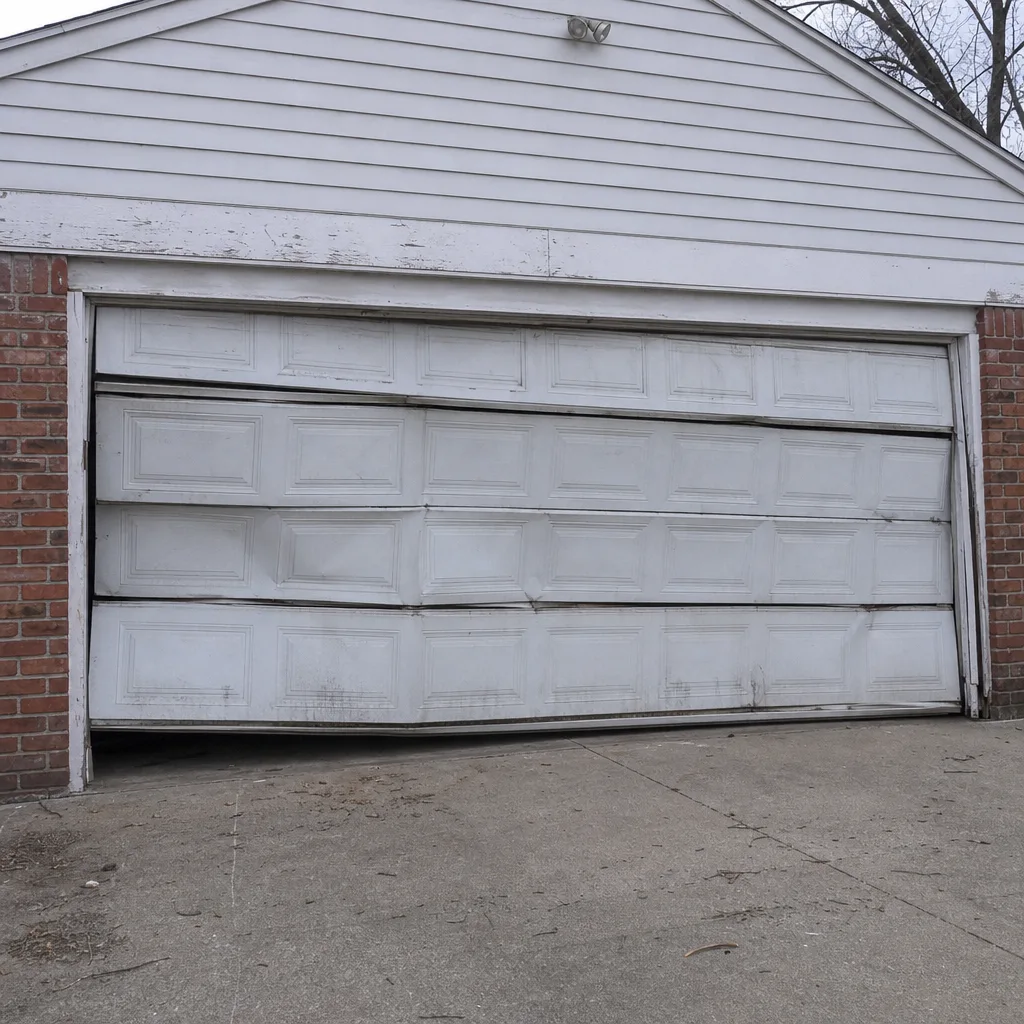 Before
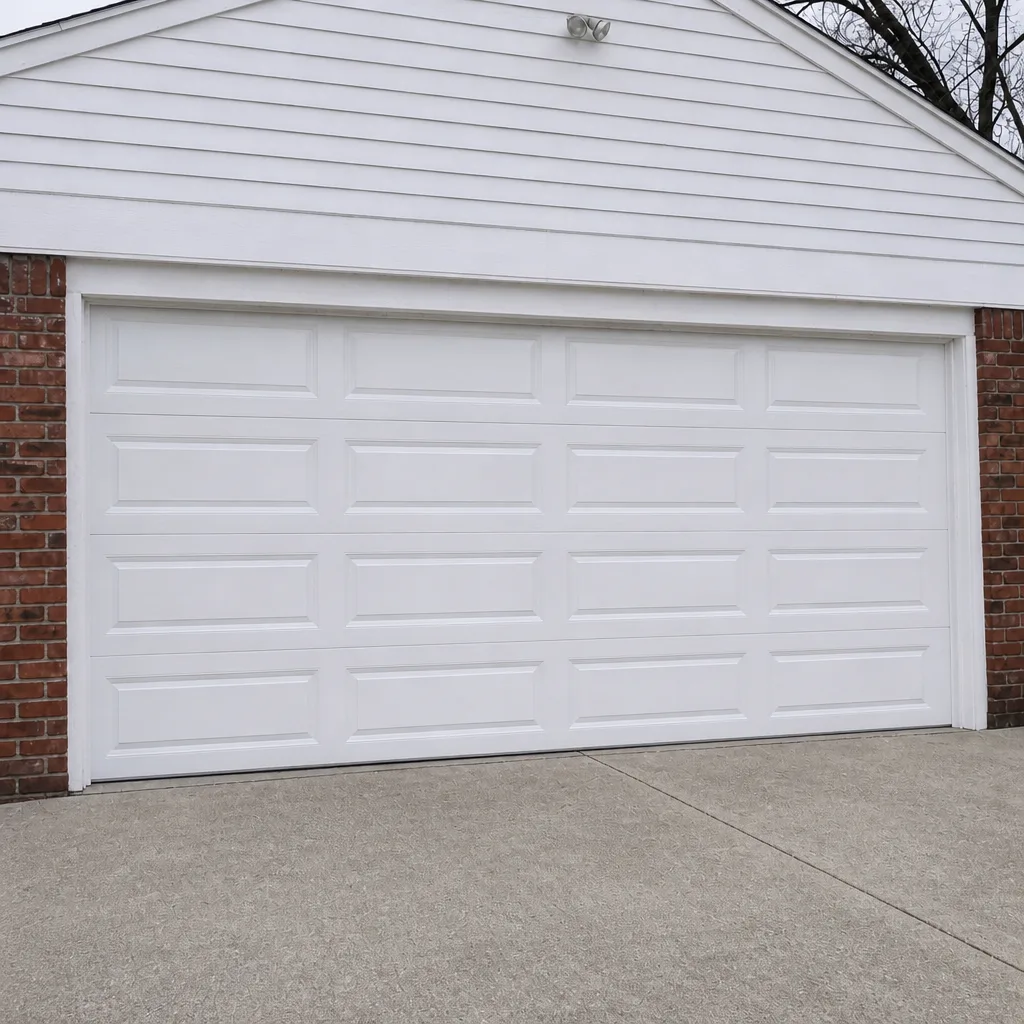 After
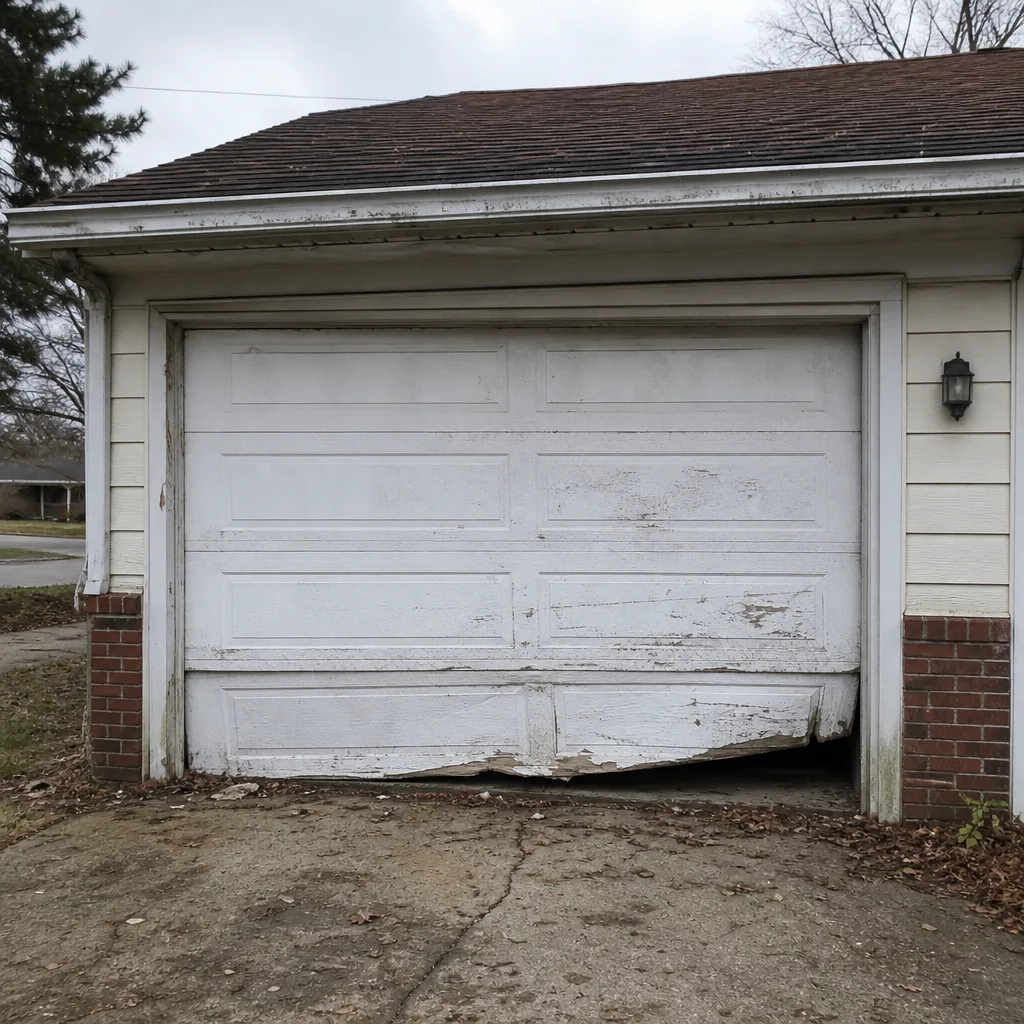 Before
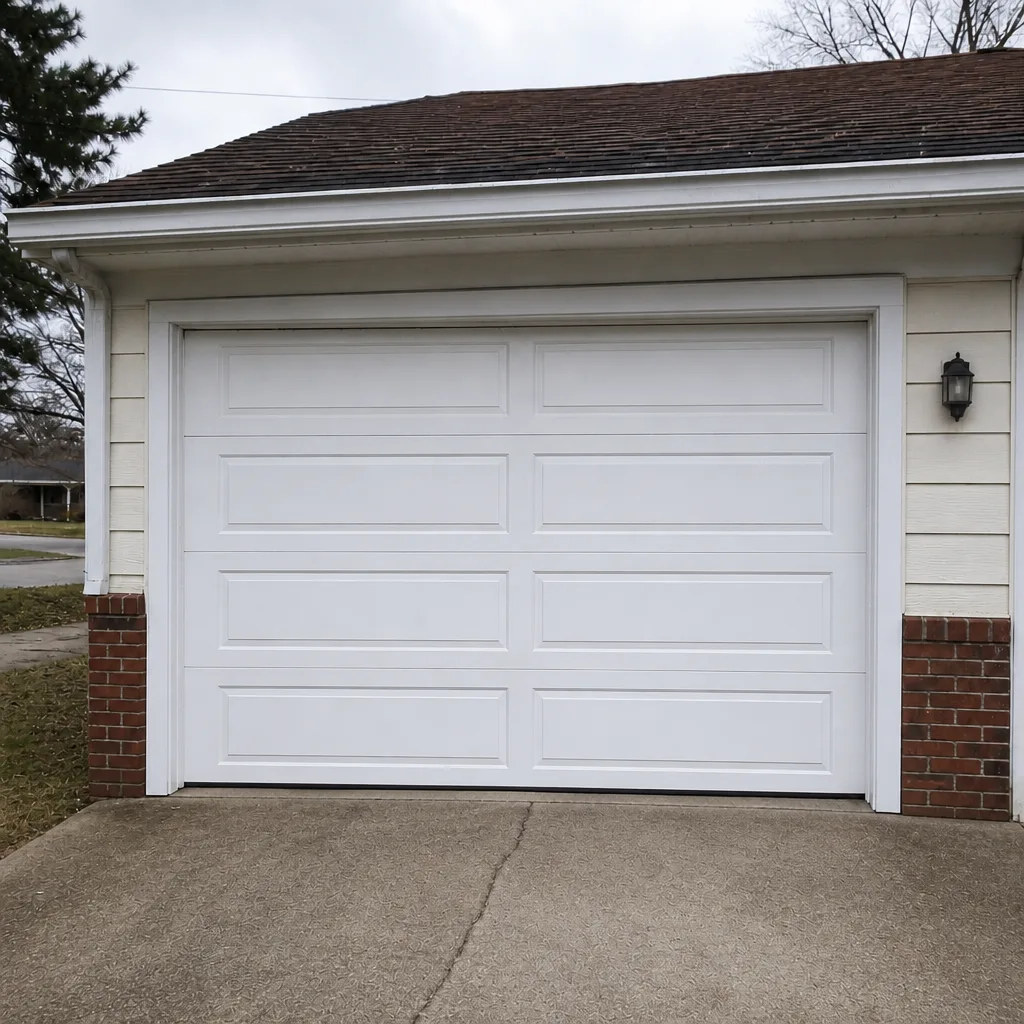 After
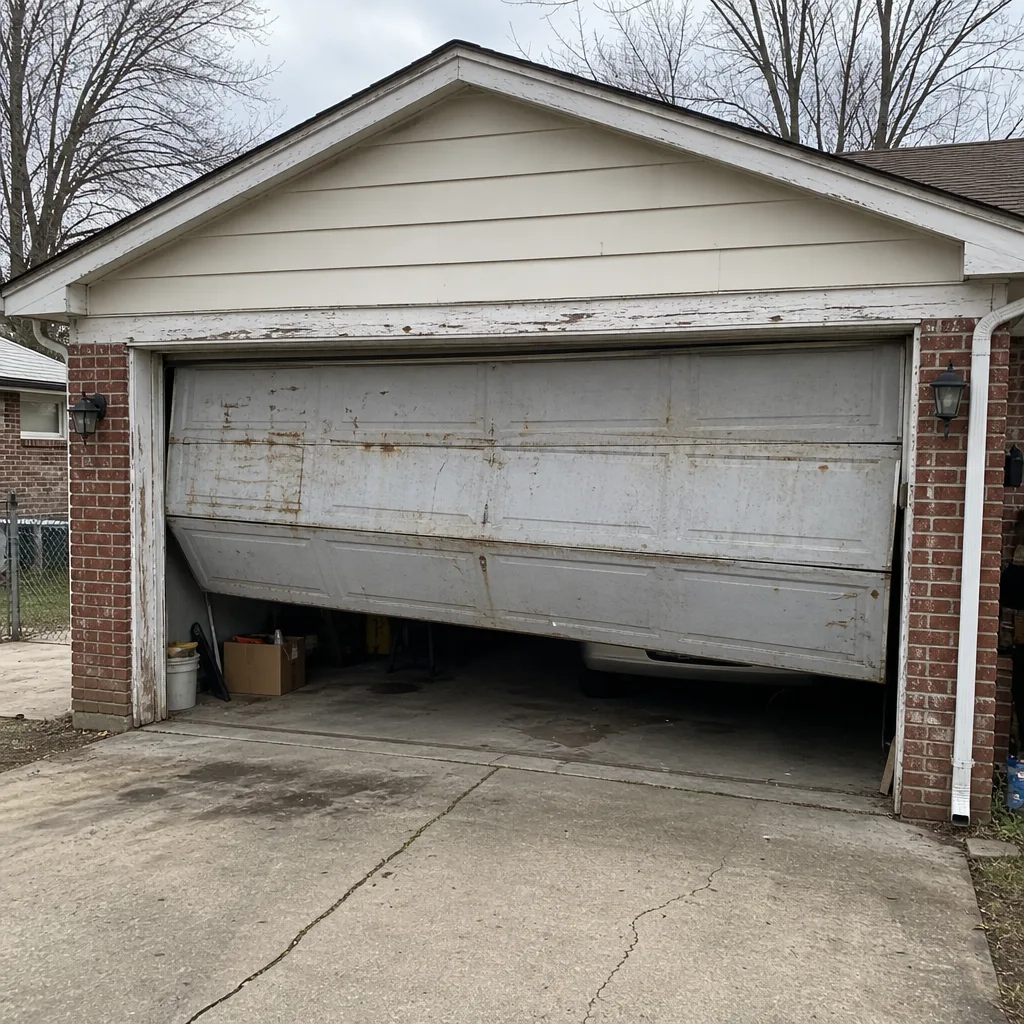 Before
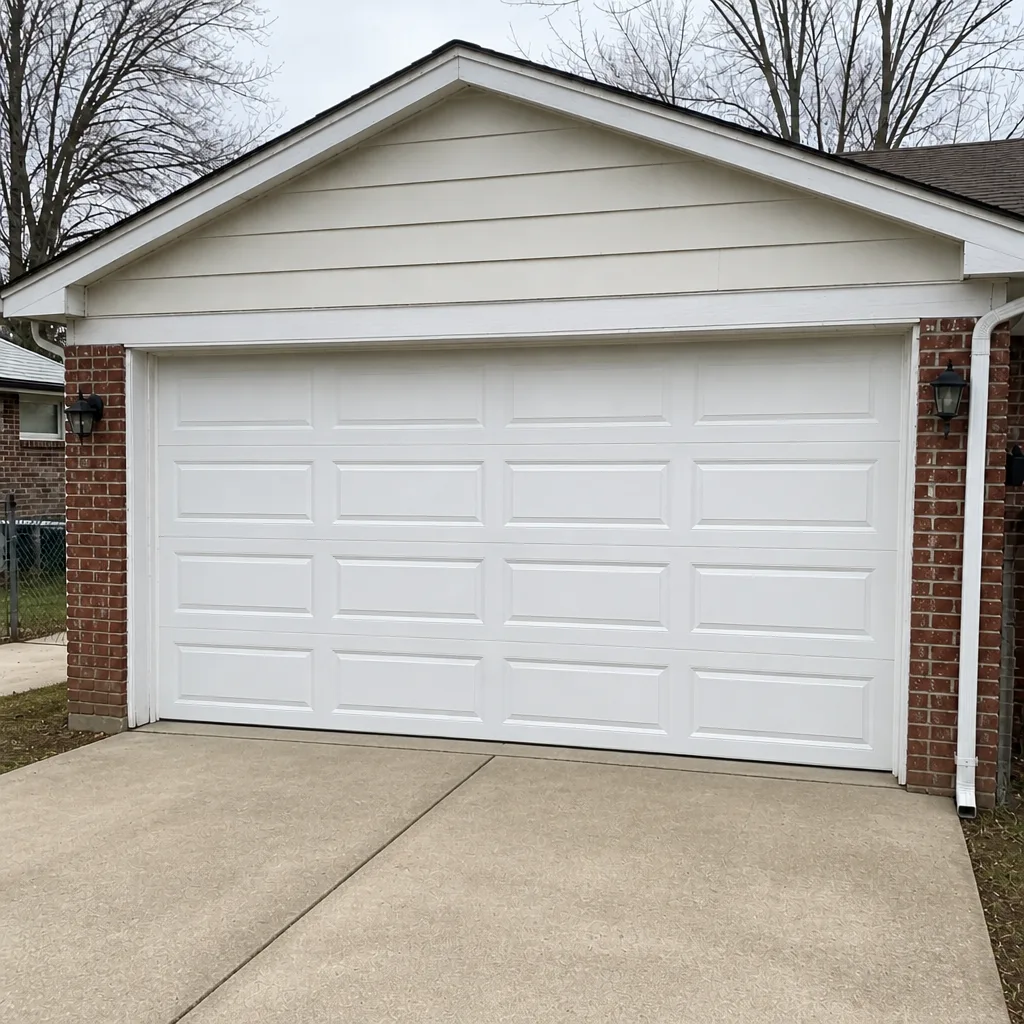 After
Common Mistakes to Avoid
- Replacing the opener when the spring was the problem. A struggling opener often gets replaced when the underlying issue is a spring that has lost tension. Confirm the mechanical side first; a new opener replacing a tired spring will burn out faster than the old one did.
- Lubricating everything with general-purpose grease. Thick grease stiffens in a Sterling Heights winter and makes year-round grinding worse. Use a product specified for garage door hardware, and oil the right points, not the spring coil.
- Adjusting the down-limit when the photo-eye is the real culprit. Snow and spray on the sensors cause most reversals in the cold. Clean and realign the sensors before touching the limit.
- Continuing to run a door with a visible spring gap. This is the single most dangerous mistake on the list. The spring can fail unpredictably. Stop operating and call.
- Assuming a bent track needs a whole door. Most tracks can be straightened or replaced for a fraction of the cost of a new door. Get a proper diagnostic before pricing a full replacement.
- Waiting until a door fails completely before scheduling a repair. A Tier 2 call is a scheduled repair. A Tier 3 call is a same-day emergency repair. Sterling Heights homeowners who book at Tier 2 avoid the emergency-call version of the exact same repair.
- Buying a new door instead of diagnosing an opener problem. A door that reverses, stops mid-travel, or runs slowly is often an opener or sensor issue on an otherwise healthy door. The right fix is the smallest one that restores operation, and that’s the first thing we check.
When to Call a Professional
Call for any Tier 3 sign immediately: a visible gap in a torsion spring, a frayed or slack cable, a loud bang followed by a door that won’t lift, or a door that will not stay up when you try to close it. Call for any Tier 2 sign within the week: hesitation, year-round grinding, uneven movement, or repeated reversal. A door that reverses only in cold weather can be checked at home, but if a sensor cleaning and limit re-check doesn’t solve it, that’s a professional diagnostic, and it should be a scheduled one rather than an emergency one.
Avalon Garage Door Service offers free estimates in Sterling Heights – call (866) 361-7888. We answer 24/7. Fast dispatch from 7am to 7pm, Sunday through Friday. Our technicians have up to 14 years of experience, and we service LiftMaster, Chamberlain, Genie, Clopay, Amarr, Wayne Dalton, Craftsman, and Raynor. The written estimate is the price, and we don’t start work until you’ve agreed to it.
Frequently Asked Questions
A visible gap in the torsion spring coil is the single most serious warning sign. It means the spring is within days of failing, and the spring holds enough stored energy to be dangerous when it breaks. Stop operating the door and call us. Never try to inspect a torsion spring up close or from underneath.
Garage door repair in Sterling Heights is priced per job in a written estimate, and the estimate is free. The right fix depends on the actual diagnosis: a spring repair, a roller and hinge replacement, a track adjustment, and an opener diagnosis are all different jobs with different costs. We set the price in writing before any work starts, and the estimate is the price. Call (866) 361-7888 to book a free estimate.
Yes, for most repair and opener calls. We answer 24/7 and dispatch is fast from 7am to 7pm, Sunday through Friday. A call outside dispatch hours is booked into the next opening. For a new door installation, we don’t do same-day work; a new door needs a proper measure, order, and scheduled install.
Cold-weather-only grinding is a lubrication or metal-contraction problem, not a mechanical failure. Rollers, hinges, and the torsion shaft lose their normal film of lubrication as grease stiffens in the cold, and the hardware starts to chatter. A proper lubrication of the correct points usually resolves it for the season. Grinding that shows up in summer too is a different problem: worn bearings or a damaged cable drum.
Almost always the photo-eye sensor or the down-limit switch, not the opener motor. Snow pushed into the opening, moisture on the sensor lens, or metal contraction in the cold all cause false obstructions. Clean and realign the photo-eyes first, then check the limit setting. If it still reverses on clear days, that’s a professional diagnostic.
We service LiftMaster, Chamberlain, Genie, Clopay, Amarr, Wayne Dalton, Craftsman, and Raynor – the eight most widely installed brands. That means almost no homeowner hears “we don’t work on that brand.” We’re trained on all of them, which lets us diagnose your specific door and opener rather than steering you toward a brand we happen to stock.
The Bottom Line
Most garage door warning signs don’t require panic, and a few require it immediately. Grinding that only appears in cold weather is a lubrication issue. Year-round grinding is a worn component. Hesitation going up is usually a spring losing tension; going down is usually a sensor, limit, or track. Uneven movement is a triage problem between spring, cable, and track. A visible spring gap is a stop-operating signal, every time. Read the tier, act in the tier, and the difference between a scheduled repair and a weekend emergency is a phone call at the right moment. Call (866) 361-7888 for a free estimate in Sterling Heights.
Written by the team at Avalon Garage Door Service.