
Last updated November 16, 2026
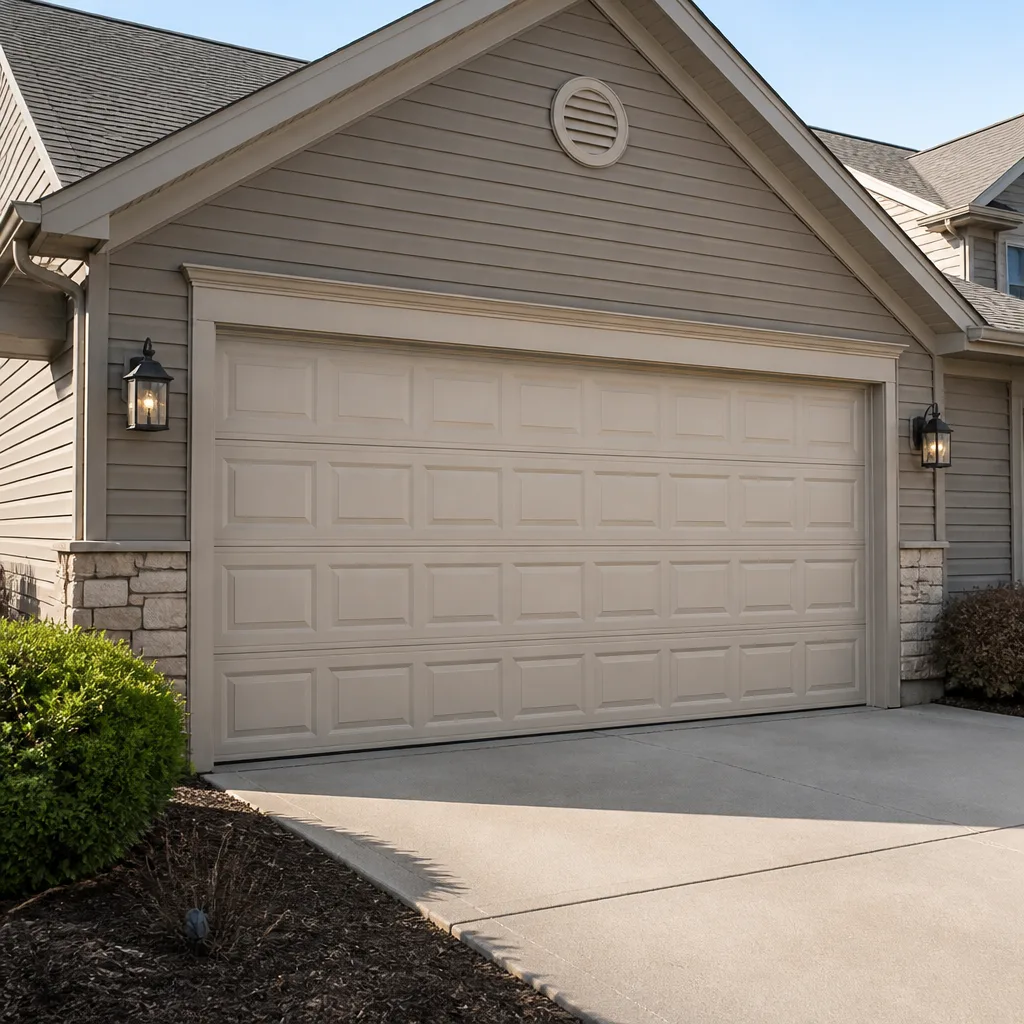 Raised-panel steel
 Carriage house
 Modern flush
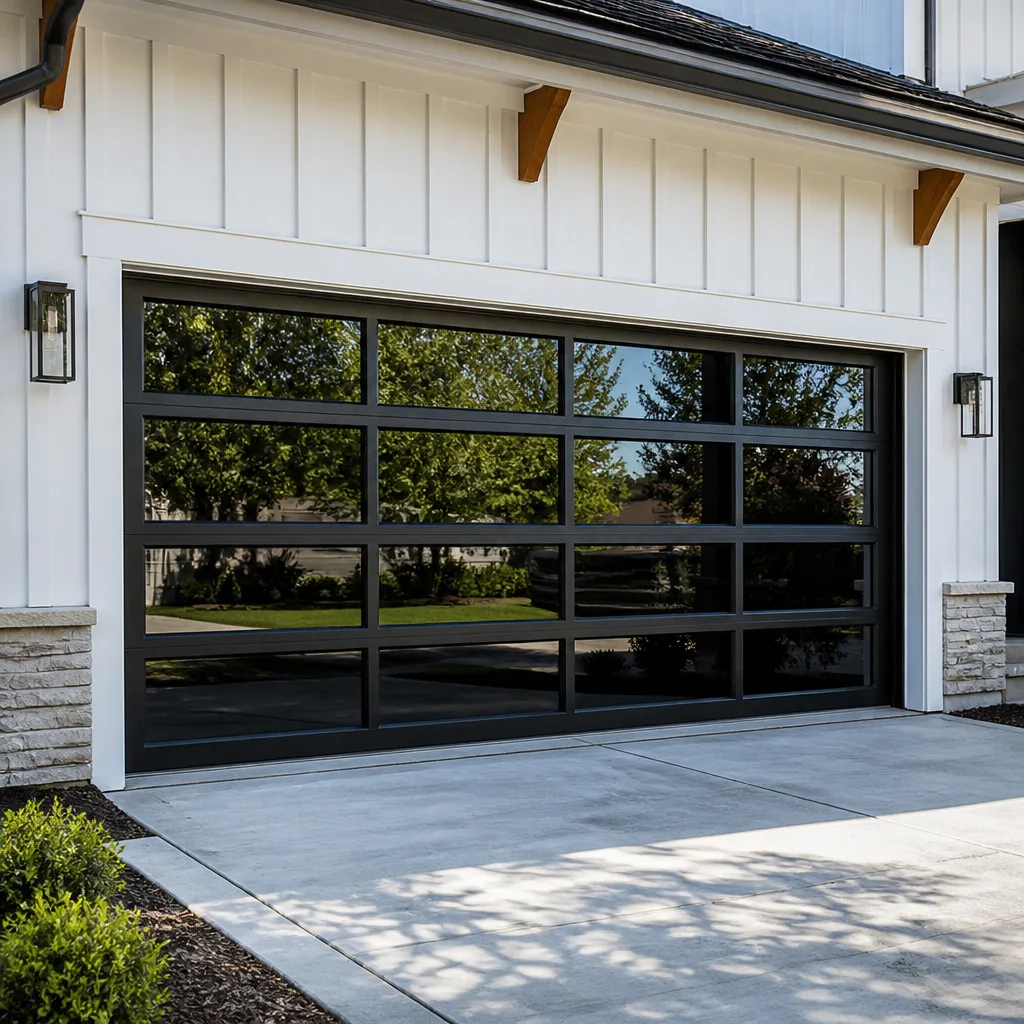 Full-view glass
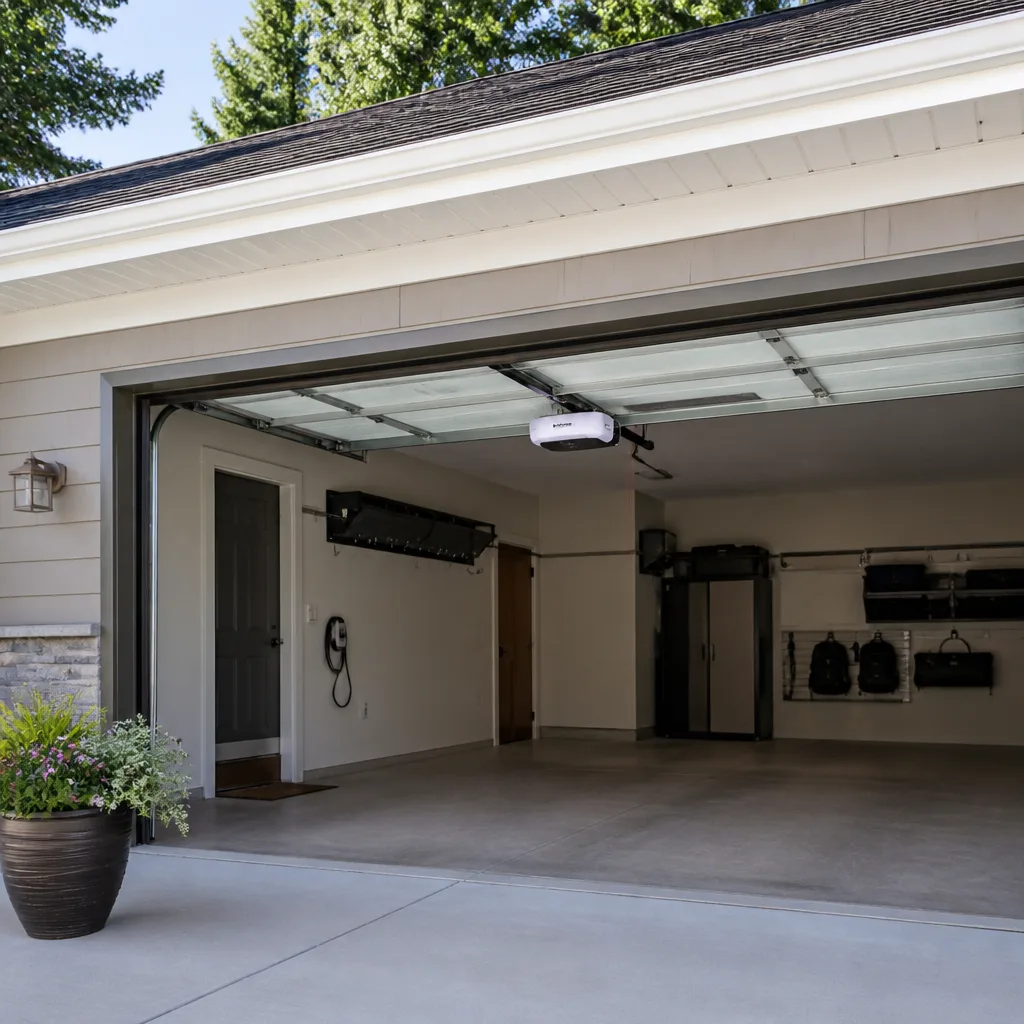 LiftMaster openers
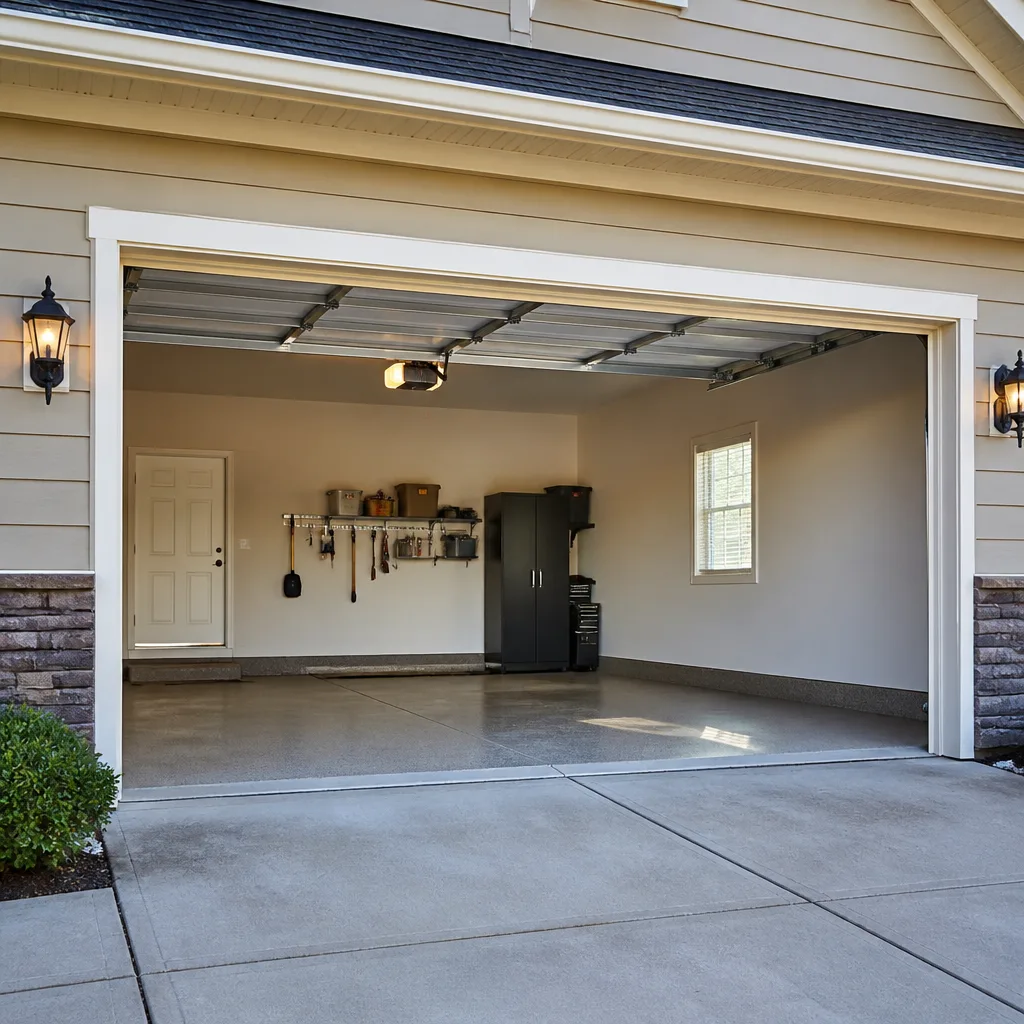 Chamberlain openers
Full 25-point door and opener safety check with every visit - springs, cables, rollers, tracks, and your LiftMaster or Chamberlain opener included
You get a price before we start. It does not change when the pro arrives.
Get your free estimateDIY vs Professional Garage Door: The Sterling Heights Homeowner’s Decision Guide
A wound torsion spring stores enough energy to move a door weighing hundreds of pounds, and it holds that energy whether or not the door is moving. That’s the part most tutorials skip. The person filming has probably replaced hundreds of springs; the homeowner watching has replaced none. This guide draws a clear line between the garage door tasks that reward a careful homeowner and the ones that can seriously hurt someone. We’ll break down each job by consequence of error, explain why Michigan’s temperature swings make some shortcuts riskier here than in milder climates, and show you three chores worth doing yourself to stretch the time between professional visits. If you live in Sterling Heights, this is written with your winters in mind.
Quick Answer
Lubrication, photo-eye sensor alignment, remote and keypad programming, and visual inspections are safe and sensible DIY tasks. Torsion spring replacement, cable work, track realignment, and any repair involving the door’s lifting mechanism are professional work – not because homeowners aren’t capable, but because those components sit under enough tension that a single slip can cause serious injury or drop a door. In Sterling Heights, seasonal temperature swings also narrow the tolerance on hardware, which raises the stakes on anything structural.
Styles & brands we work with
- Raised-panel steel
- Carriage house
- Modern flush
- Full-view glass
- LiftMaster openers
- Chamberlain openers
Table of Contents
- The Right Question: Consequence of Error, Not Capability
- Tasks That Are Genuinely Safe to Do Yourself
- Tasks That Belong to a Professional
- Why Torsion Springs Are Categorically Different
- How Michigan Temperature Swings Create a Hidden DIY Risk
- What a DIY Mistake Costs You in Warranty Coverage
- Three Jobs You Should Do Yourself (and the Right Sequence)
- How the Cost Math Actually Works
The Right Question: Consequence of Error, Not Capability
The DIY-versus-professional argument usually gets framed around skill. That’s the wrong frame. Plenty of homeowners in Sterling Heights are handy enough to swap a light fixture or rebuild a deck stair. Capability isn’t the issue. The issue is what happens when a repair goes wrong.
Some garage door tasks fail small. A misaligned photo-eye stops the door from closing and you fix it in five minutes. A remote that won’t pair is a nuisance, not a hazard. Other tasks fail big. A torsion spring under load can release stored energy instantly, and a door that comes off its track or drops without warning is a genuine danger to anyone standing underneath.
Here’s a plain way to sort any garage door job you’re considering:
- Low consequence: If the repair fails, the door simply doesn’t work and no one gets hurt. These are fair game for a careful homeowner.
- Medium consequence: A failed repair damages a component or leaves the door stuck, costing more to fix than the original problem. Proceed only if you’re genuinely confident.
- High consequence: A failed repair can injure someone or bring the whole door down. These belong to a trained technician, every time.
When we talk with homeowners about garage door repair in this area, the conversation almost always starts with a task the homeowner wants to try. Sorting it into one of those three buckets takes about thirty seconds and saves a lot of grief. The rest of this guide does that sorting for you, task by task, with the mechanical reasons behind each call.
Tasks That Are Genuinely Safe to Do Yourself
We’re not going to tell you every garage door job needs a professional. That would be dishonest and it would waste your money. Several maintenance tasks are well within reach for a homeowner with a step stool, a wrench, and an hour to spare.
These are the jobs we’re comfortable telling Sterling Heights homeowners to try themselves:
- Lubricating hinges, rollers, and tracks. A garage door has several moving contact points that dry out and start to squeak. A garage-door-specific lubricant applied to hinges, bearing plates, and the torsion bar bearings quiets the door and reduces wear. Use a spray designed for the job, not cooking oil or general-purpose grease, which attracts grit.
- Aligning photo-eye sensors. The two small sensors near the floor at each side of the opening need a clear line of sight to each other. If the door reverses on its own or won’t close, a sensor nudged out of position is the usual culprit. Wipe the lenses, check that the indicator lights are steady, and adjust the bracket so the beams line up.
- Programming remotes and keypads. Pairing a new remote or resetting a keypad code is a matter of following the manual for your opener. On a LiftMaster or a Craftsman unit, the learn button and the pairing steps differ slightly, but neither involves anything mechanical.
- Clearing the tracks of debris. A stiff brush and a rag remove the grit and leaves that collect in the channel. This isn’t the same as realigning a bent track – it’s just housekeeping.
- Testing the safety reverse. Put a roll of paper towels under the closing door and confirm it reverses on contact. This is a five-second test you should run once a month, and it catches problems early.
- Tightening visible bolts on the hinges and brackets. A socket wrench on accessible hardware keeps things snug. Skip anything attached to the springs or cables.
None of these touch the lifting mechanism. That’s the dividing line. If your job is on this list, you can handle it. If you’re not sure which list it’s on, keep reading.
Tasks That Belong to a Professional
Now the other side of the line. These are the jobs where a mistake has real consequences, and where we’d rather see a trained technician with the right tools and the right understanding of how the load is distributed across the door.
Professional-only garage door work includes:
- Torsion spring replacement. Covered in detail below. This is the single most dangerous task on a garage door.
- Extension spring replacement. Less energy stored than torsion, but still a loaded spring. The failure mode is different, and it’s still not a homeowner job.
- Cable replacement. Cables are under tension and hold the door’s weight in balance with the springs. A cable that lets go under load can whip violently.
- Track realignment and replacement. A bent or out-of-square track loads the rollers unevenly and can cause the door to bind or come off the track. Straightening a track requires understanding the door’s geometry.
- Panel replacement after impact. A damaged panel affects the door’s balance and can stress the opener. Matching a panel to an existing door, especially on a Clopay or Wayne Dalton model, is a fit-and-spec job.
- Opener diagnosis and repair. The mechanical and electronic systems inside an opener – the logic board, the drive gear, the travel limits – are difficult to troubleshoot without the right diagnostic process. This is why we treat garage door opener repair as its own discipline rather than a side task.
- Anything that requires loosening the spring, the cables, or the bottom bracket. These parts are loaded even when the door looks at rest.
Notice the pattern. Every professional-only task involves a component under tension or a system where the failure mode is a sudden release of stored energy. That’s not a coincidence. It’s the whole reason this line exists.
Why Torsion Springs Are Categorically Different
Homeowners often ask why torsion springs get so much more caution than extension springs. Both are springs, both lift the door, both eventually break. Shouldn’t they get the same treatment?
The answer is stored energy and how it’s released.
An extension spring stretches along the side of the door, above the horizontal track. When it fails, it releases its energy along a single axis – the length of the spring – and the door’s tracks and cables limit how far it can travel. That’s not to say extension springs are safe to replace yourself. They aren’t. But the failure mode is more contained.
A torsion spring is mounted horizontally above the door and winds around a shaft. It stores energy by twisting. When a torsion spring fails, it releases that energy by unwinding, and the shaft, the cables, and the drums all get involved in the release. The energy is concentrated at the spring, and the person working on it is standing directly in the path of that energy.
Compare it to a wound-up rubber band the size of a rolled newspaper. That’s roughly the kind of tension you’re working against – and that tension is present the moment you loosen the set screws that hold the spring to the shaft.
The tutorials online don’t usually mention this. They also don’t mention that the person filming has done it hundreds of times. What looks easy on a screen is a procedure where a single misjudgment of the winding count, or a slip of the winding bar, can cause serious injury. Every professional in this trade has heard the same stories: hobbyists who tried it and ended up in the emergency room.
That’s not a scare tactic. It’s the reason the technicians who handle your Avalon Garage Door Service calls treat a torsion spring as the highest-risk item in the entire trade. Our technicians have up to 14 years of experience, and they still handle every torsion spring with the same care they did on their first one. Extension springs get respect too, but torsion springs get a different category of attention.
If your spring is broken, the right move is a phone call, not a trip to the hardware store. Skip the video.
How Michigan Temperature Swings Create a Hidden DIY Risk
There’s a subtler problem with DIY garage door repair in Sterling Heights, and it has nothing to do with springs. It has to do with the weather.
Michigan swings between summer heat and winter cold, and that swing does real things to metal hardware. Fasteners torqued in July are snug at 85 degrees. Come January, when the garage sits near or below freezing, that same fastener is under a different load. Metal contracts, wood framing shifts, and clearances tighten. A setting that felt right in summer can be out of spec by winter.
What does that mean for a homeowner?
- A door that worked fine all summer can start binding in the cold, because the tolerance window for the track, rollers, and cables narrows. A DIY adjustment made in July may not hold through the winter.
- Lubricants behave differently. A grease that flows easily at 80 degrees may stiffen and drag at 20. The wrong product makes the door work harder and the opener work harder with it.
- Hardware that was tight in the summer can loosen during the heating cycle and end up under-torqued in the cold – or over-tightened if a homeowner compensates without measuring.
- Spring performance shifts. Torsion springs are calculated for a temperature range, and extreme cold changes how the spring loads. A spring that’s already near the end of its life is more likely to fail on the coldest morning of the year.
This is why we don’t recommend homeowners do track adjustments, cable work, or balance tweaks even when a tutorial makes it look straightforward. The tutorial was probably filmed in a mild climate, and the tolerance window in this region is narrower than most of those guides acknowledge. A pro who works in Sterling Heights all year knows the seasonal behavior of the parts and sets things for it.
If your door starts acting up in the first cold snap, don’t assume it’s a minor issue. It might be. But it might be the first sign of something that needs a proper look.
What a DIY Mistake Costs You in Warranty Coverage
Here’s the part the DIY conversation usually skips: warranties.
If your garage door was installed recently – say, a new Clopay or Amarr panel installed 18 months ago – it may still be under a manufacturer warranty. Those warranties have terms. And quite often, one of those terms is that the door needs to be installed and serviced according to the manufacturer’s instructions by someone qualified to do so.
A homeowner adjustment that voids that coverage can cost far more than the repair they were trying to avoid paying for. Here’s how it usually plays out:
- The door is under warranty. A recent installation means you have coverage if something fails through a defect.
- A DIY repair goes wrong. A homeowner adjusts a track, swaps a spring, or tries to fix a binding door without the right tools.
- A related part fails. The adjustment caused secondary wear on the rollers or the opener, or the door’s balance is off.
- The warranty claim is denied. The manufacturer reviews the cause and determines the failure traces back to the unauthorized work.
- The homeowner pays for the repair anyway – now on a part that would have been covered.
Not every manufacturer enforces this the same way, and not every warranty has the same language. But the pattern is common enough that it’s worth knowing before you pick up a wrench on a door that’s still under coverage. If you’re not sure what your warranty covers, check the paperwork from your installation or ask the manufacturer, not a forum.
If your door is still under warranty and something goes wrong, the cheapest move is usually to call a professional and let them handle it in a way that preserves coverage. That’s the whole calculation.
Three Jobs You Should Do Yourself (and the Right Sequence)
Now the upside. There are three things Sterling Heights homeowners can and should do themselves, and doing them right extends the time between service calls. Here they are, in the order that actually matters.
1. A monthly visual and functional check
Before you touch anything, run the door and watch it. Listen for new sounds, look for uneven travel, and check that the door reverses on contact with an obstruction. A door that reverses on contact and runs smoothly is a healthy door. A door that rubs, stutters, or reverses on its own is telling you something. Ten minutes a month catches small issues before they become big ones, and it gives you an early signal about when to call.
2. Quarterly lubrication (with the right product)
Every three months, lubricate the hinges, the bearing plates, and the torsion bar bearings with a garage-door-specific lubricant. In Michigan, do this before the first cold snap and again after winter, because the temperature swing is what stresses the moving parts most. Don’t use generic oil – it attracts dust, which turns into grit, which wears the rollers faster. A silicone-based spray designed for garage doors is what you want.
3. An annual balance and hardware check
Once a year, disconnect the opener (pull the release cord with the door closed, then lift it manually to about halfway to check balance) and see if the door stays put when you let go. If it creeps up or down, the spring tension is off and it’s time for a professional call. While the door is on manual, check that the visible bolts on the hinges and brackets are snug. Don’t touch anything attached to the springs or cables – just the exposed hardware.
That sequence – check monthly, lubricate quarterly, balance annually – is what actually keeps a door healthy in this climate. It also means that when you do need a pro, the problem is usually smaller and better defined.
How the Cost Math Actually Works
Here’s the math people don’t usually do before deciding to DIY.
The obvious DIY case is “I’ll save the labor cost.” That’s true when the job is a lubrication, a sensor reset, or a remote pairing. It’s not true when the job has a real chance of going wrong, because the cost of a DIY mistake is not just the original repair – it’s the original repair plus the damage plus the replacement.
A few patterns we see:
- A sensor alignment: Do it yourself. No downside.
- A lubrication routine: Do it yourself. Small cost, real benefit.
- A remote or keypad reset: Do it yourself. Follow the manual.
- A broken torsion spring: The professional fix is a defined cost. A DIY attempt that goes wrong can mean an emergency room visit, a damaged door, or both. The math isn’t close.
- A bent track: A trained technician can often straighten it. A DIY attempt that makes it worse usually means a full track replacement, and possibly new rollers.
- An opener that won’t respond: A proper diagnosis finds the actual cause. Replacing parts by guesswork usually costs more than the diagnosis would have.
When you call a specialist, the price is set by a written estimate before any work starts. No surprises after. That’s the model we work with, and it’s why the estimate itself is free. If you’re weighing whether to try a job yourself, the question isn’t “can I save the labor” – it’s “what does it cost if I’m wrong.” For low-consequence tasks, that answer is nearly zero. For high-consequence tasks, it’s a lot.
If you’re in doubt about a repair in Sterling Heights, get an estimate first. It’s the cheapest way to know what you’re facing. Call (866) 361-7888. We answer 24/7. Fast dispatch from 7am to 7pm, Sunday through Friday.
Common Mistakes to Avoid
- Watching a tutorial without checking the climate. A video filmed in a mild climate doesn’t translate to a Sterling Heights winter. The tolerance windows are different. If a tutorial doesn’t account for temperature, treat it as a starting point, not a recipe.
- Using the wrong lubricant. Cooking oil, WD-40, and general-purpose grease all attract dust. That grit wears rollers and tracks faster than doing nothing. Use a lubricant made for garage doors.
- Ignoring the balance test. A door that won’t hold position halfway up is telling you the spring tension is off. Reconnecting the opener and hoping is not a fix.
- Tightening everything you can reach. More torque is not always better. Over-tightened hardware stresses the track and the rollers. Only tighten what the manual says to tighten.
- Assuming a “small” repair is harmless. A loose bottom bracket, a cable with a frayed strand, or a spring with a visible gap are all warning signs. Do not touch any of them – call.
- Replacing an opener because a remote stopped working. Most remote issues are pairing issues. Exhaust the simple fixes first, and get a diagnosis before you replace equipment.
- Trying a torsion spring because it “looks easy on video.” This is the mistake that sends people to the emergency room. The video makes it look easy because the person has done it hundreds of times.
See the difference
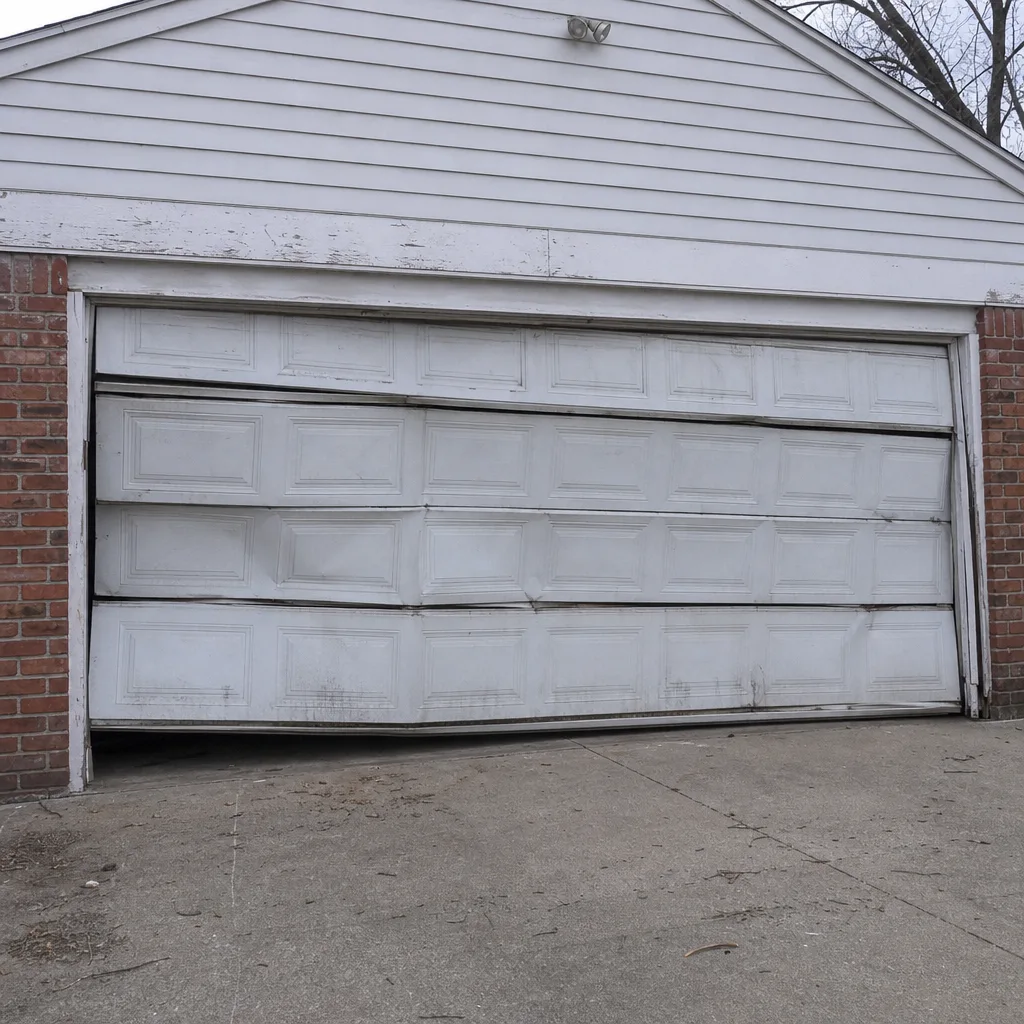 Before
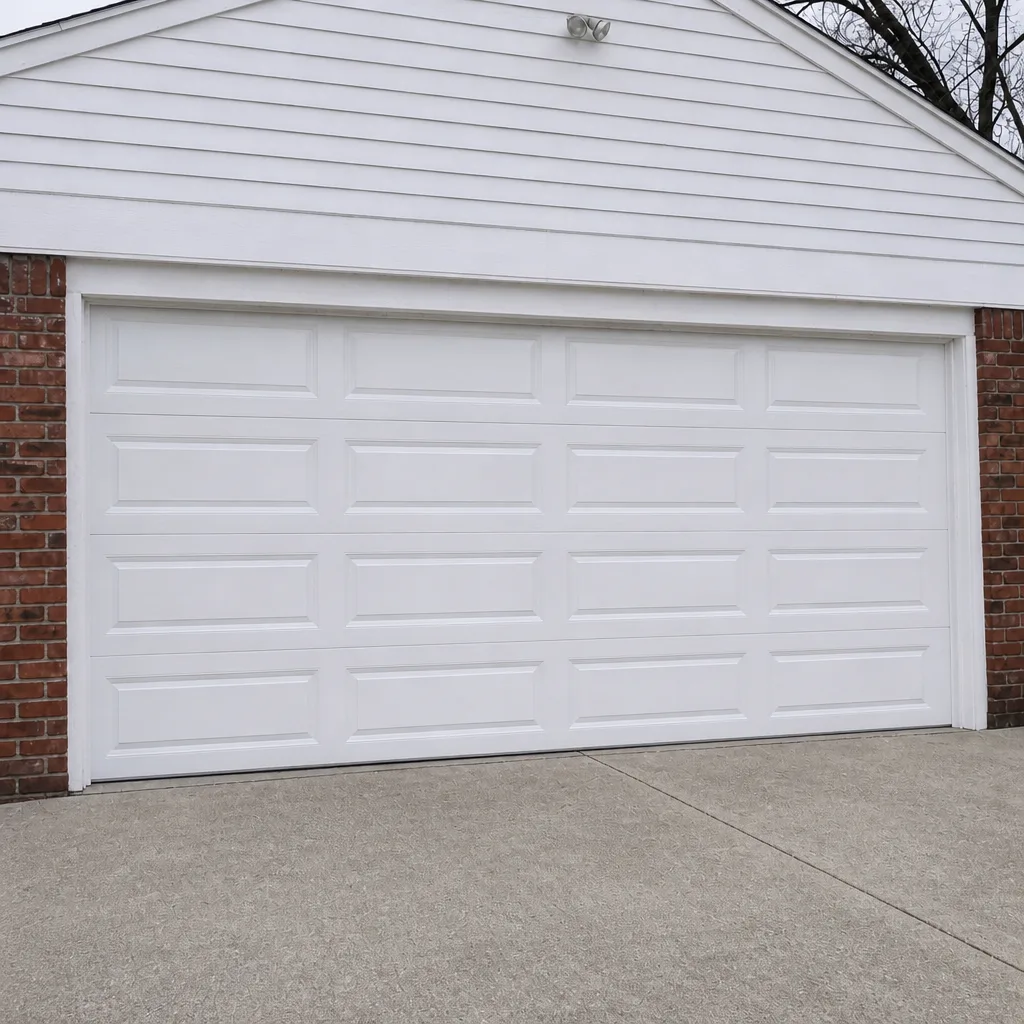 After
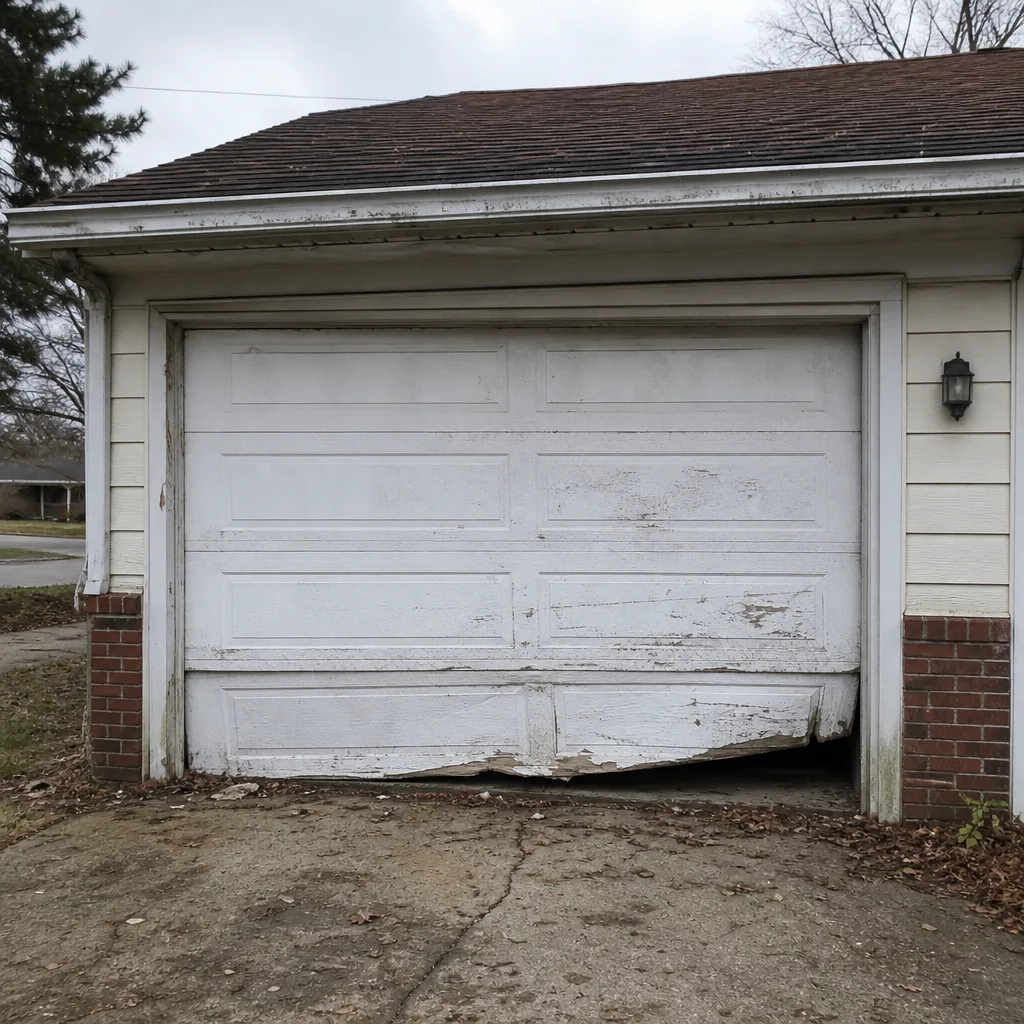 Before
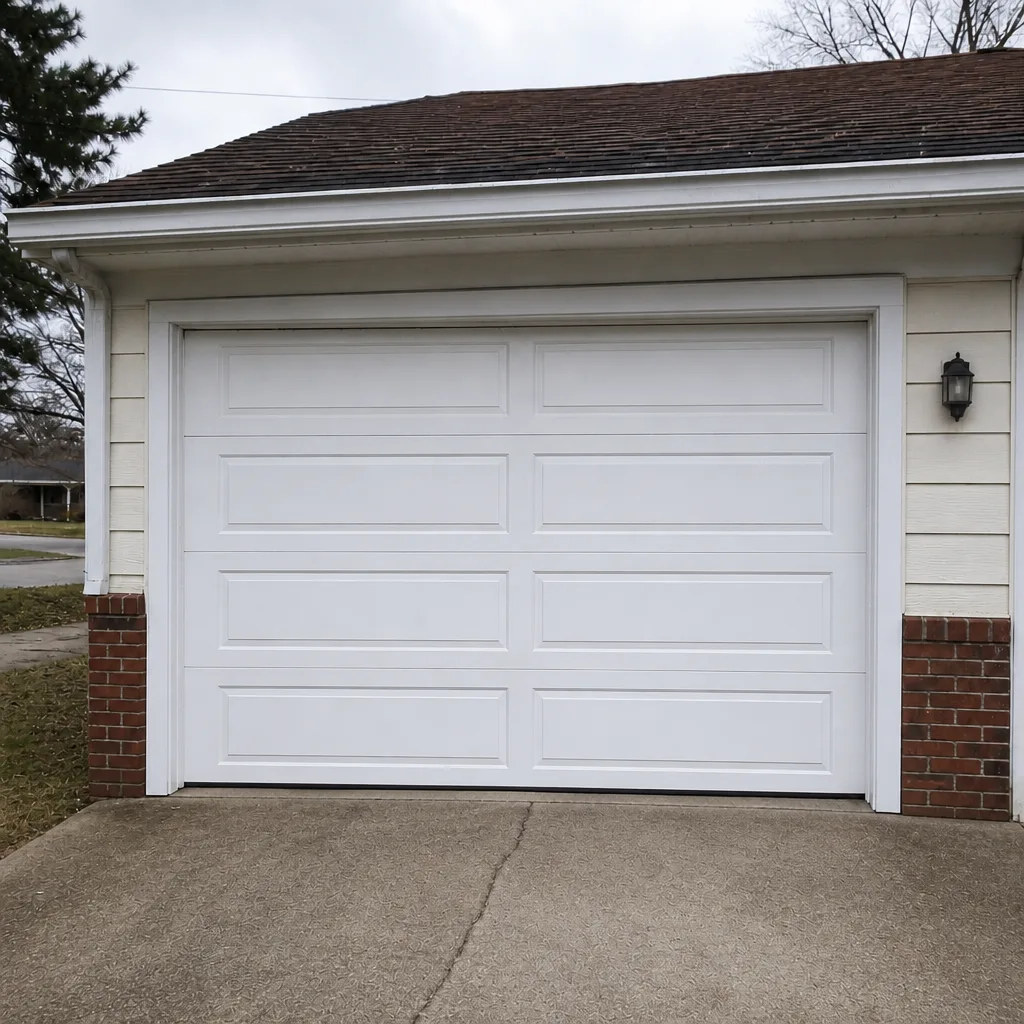 After
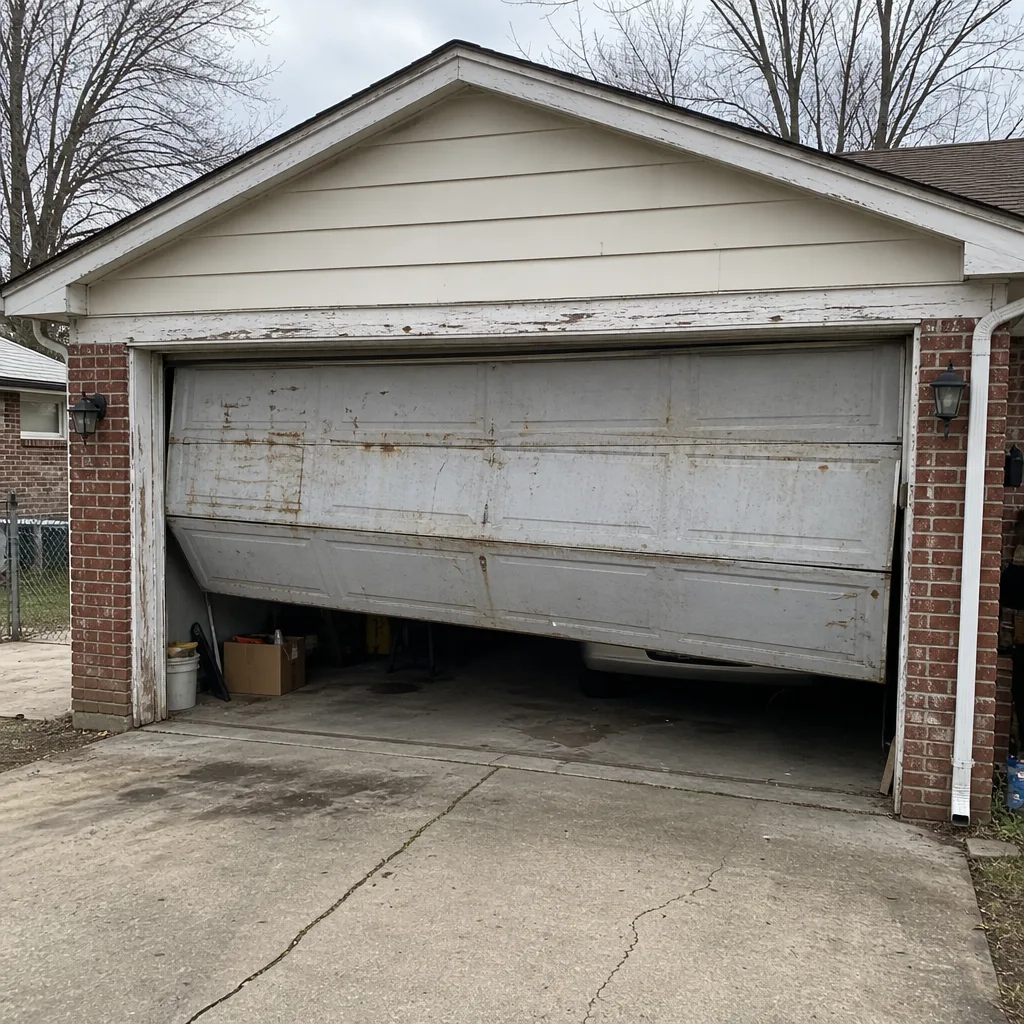 Before
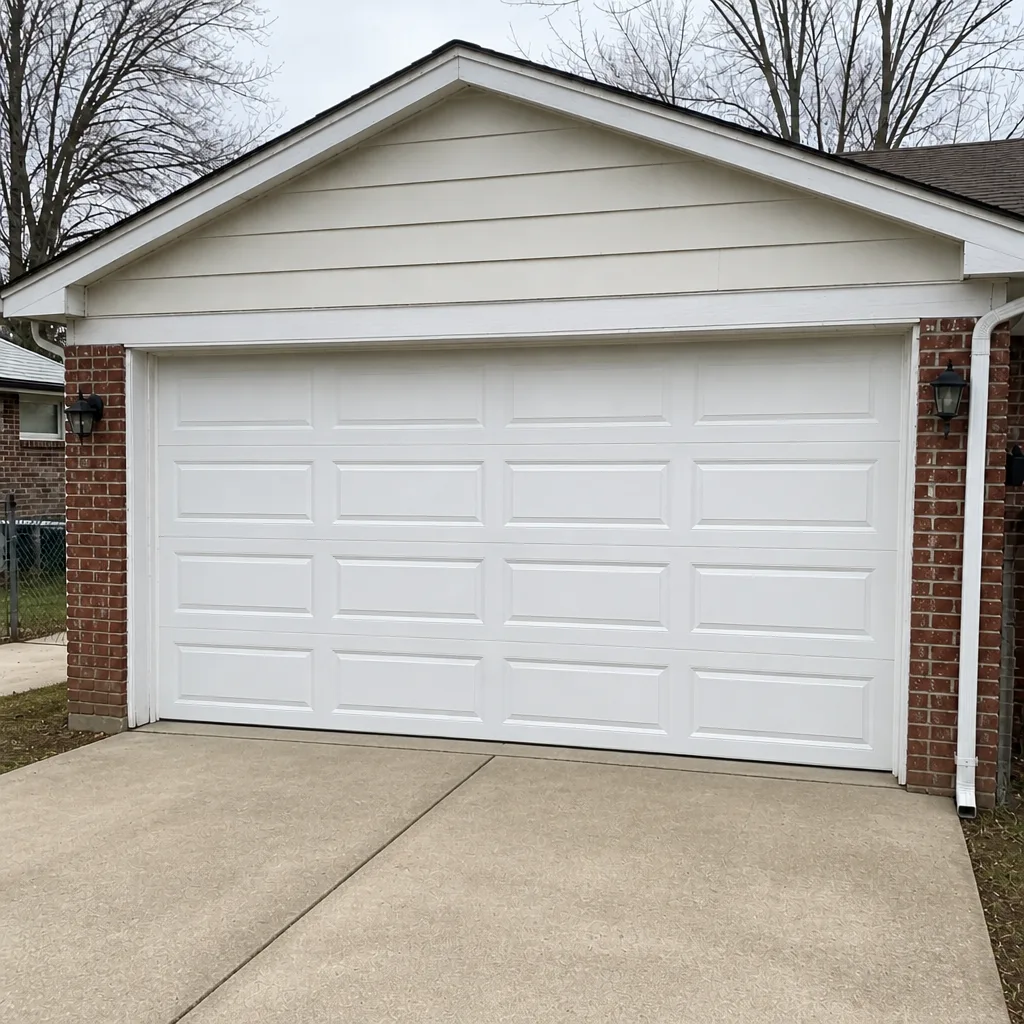 After
When to Call a Professional
Call a professional the moment your garage door involves any of these: a broken spring, a snapped or frayed cable, a door that’s off its track, a door that reverses on its own, a bent panel after impact, or an opener that won’t respond to a proper diagnosis. Those aren’t homeowner repairs, and attempting them is how a manageable fix becomes an expensive one.
Avalon Garage Door Service offers free estimates in Sterling Heights – call (866) 361-7888. We work on the major brands you’re likely to own, including Wayne Dalton, LiftMaster, and Raynor, so we can diagnose the actual issue rather than guessing at it. The estimate is free, and the price is set in writing before any work starts. We answer 24/7. Fast dispatch from 7am to 7pm, Sunday through Friday.
Frequently Asked Questions
No. Torsion spring replacement is the single most dangerous garage door task because the spring holds stored energy even when the door is at rest, and a slip can cause serious injury. Extension springs are less concentrated but still loaded. Have a trained technician handle any spring replacement.
Yes. Lubricating hinges, bearing plates, and torsion bar bearings with a garage-door-specific product every three months is a sensible DIY task, especially before winter in Michigan. Avoid general-purpose oil and grease, which attract grit.
It can. Many manufacturer warranties specify that the door should be installed and serviced according to the manufacturer’s instructions by someone qualified to do so. If a failure traces back to unauthorized work, a claim may be denied. Check your warranty paperwork before attempting anything structural.
Temperature swings affect metal contraction, fastener torque, lubricant viscosity, and spring load. Hardware set in summer can be out of spec in winter. If your door starts binding or reversing during the first cold snap, get it checked rather than forcing it.
It’s rarely a good one. Straightening a track requires understanding the door’s geometry and balance. A DIY attempt that makes it worse usually turns a straightening job into a full track replacement, sometimes with new rollers. Have a professional look at it.
Run the door and watch it, check that the photo-eye sensors have a clear line of sight, test the reverse-on-contact function, and look for anything visibly broken. Those checks take ten minutes and often tell you whether the issue is a sensor reset you can handle or a repair that needs a technician.
The Bottom Line
The DIY-versus-professional question isn’t about whether you’re handy. It’s about consequence of error. Lubrication, sensor alignment, remote programming, and a monthly visual check are all sensible homeowner tasks, and doing them consistently extends the time between service calls – especially in a climate that swings as hard as Sterling Heights does. Spring replacement, cable work, track realignment, and opener diagnosis belong to a trained technician, because a mistake in any of them can injure someone or turn a manageable repair into a major one. And a DIY job that voids a manufacturer warranty can cost more than the repair you were trying to avoid. When in doubt, get a free estimate and let the numbers decide.
If you’re not sure which side of the line your repair falls on, call (866) 361-7888. We answer 24/7. Fast dispatch from 7am to 7pm, Sunday through Friday. Avalon Garage Door Service handles repair, opener service, and full new-door installation across the brands most Sterling Heights homeowners actually own.
Written by the team at Avalon Garage Door Service.