
Last updated November 16, 2026
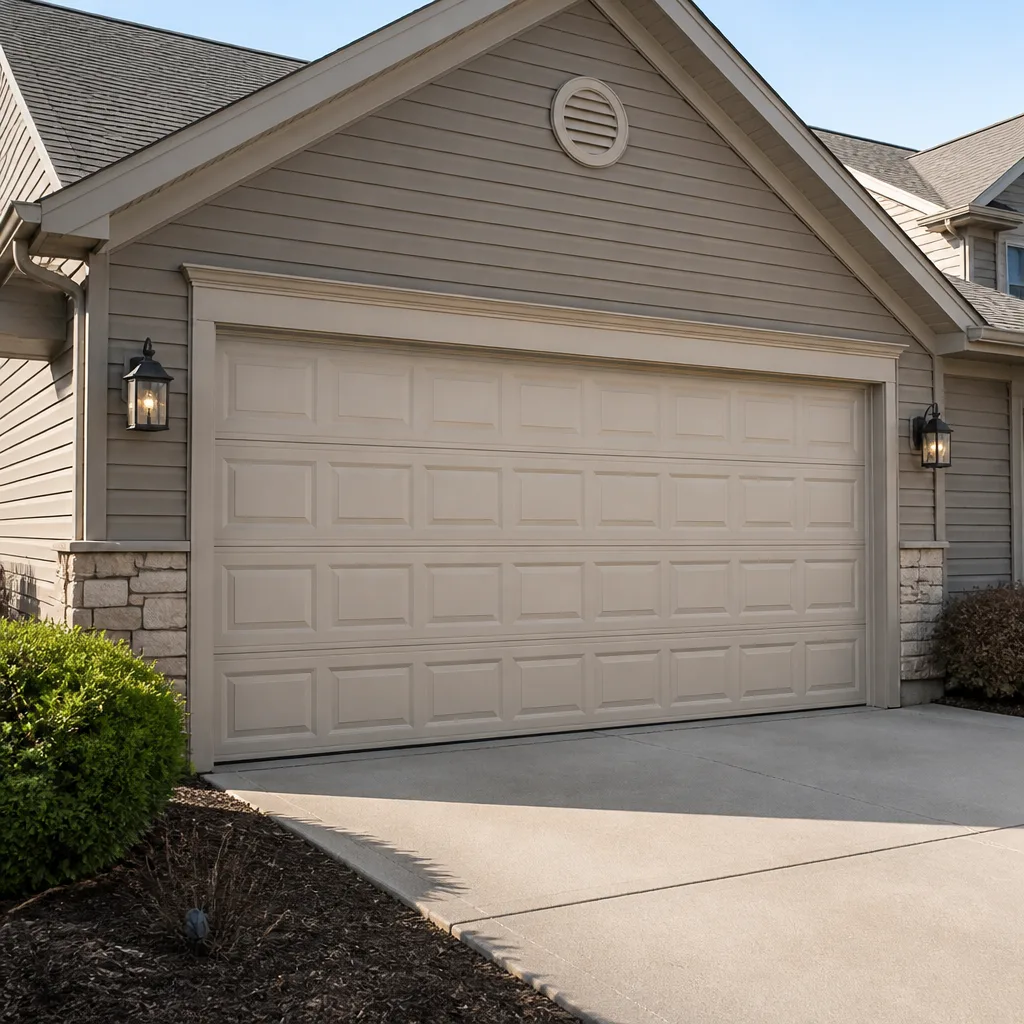 Raised-panel steel
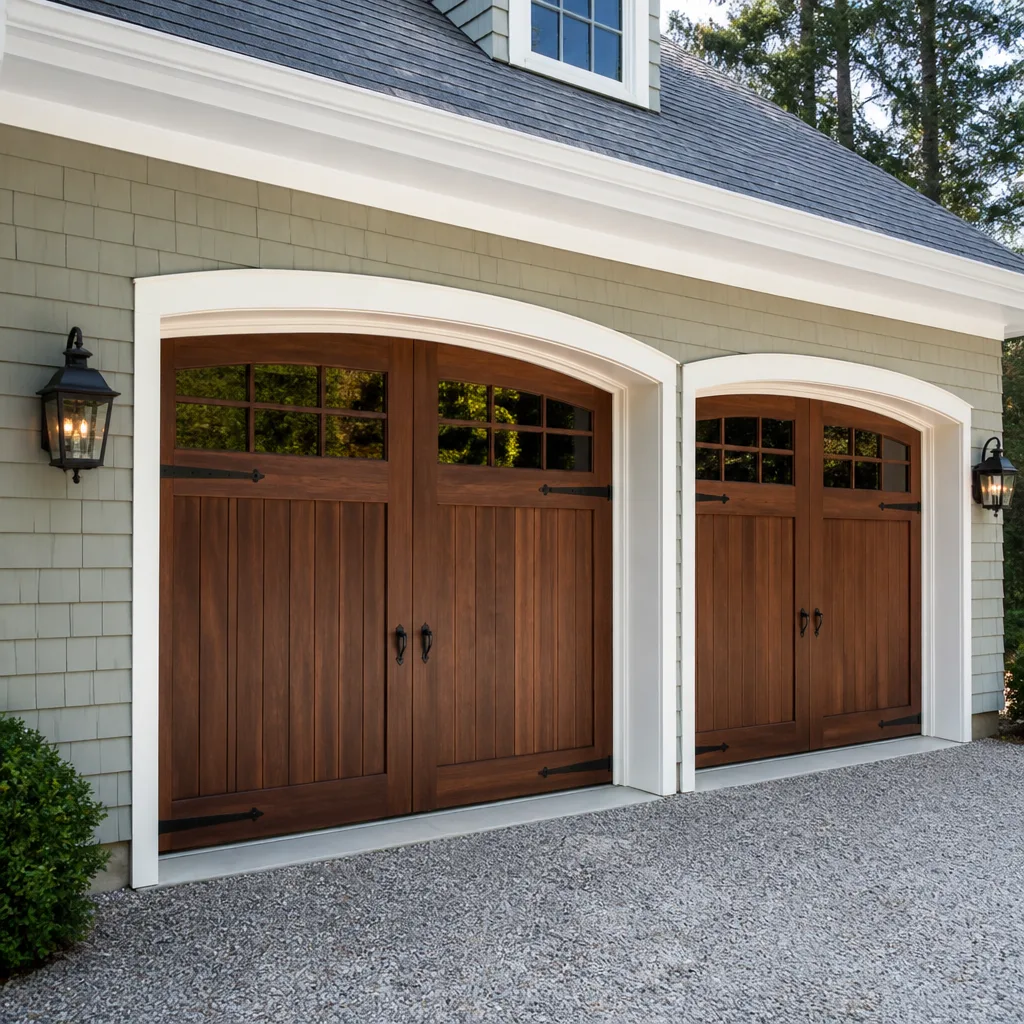 Carriage house
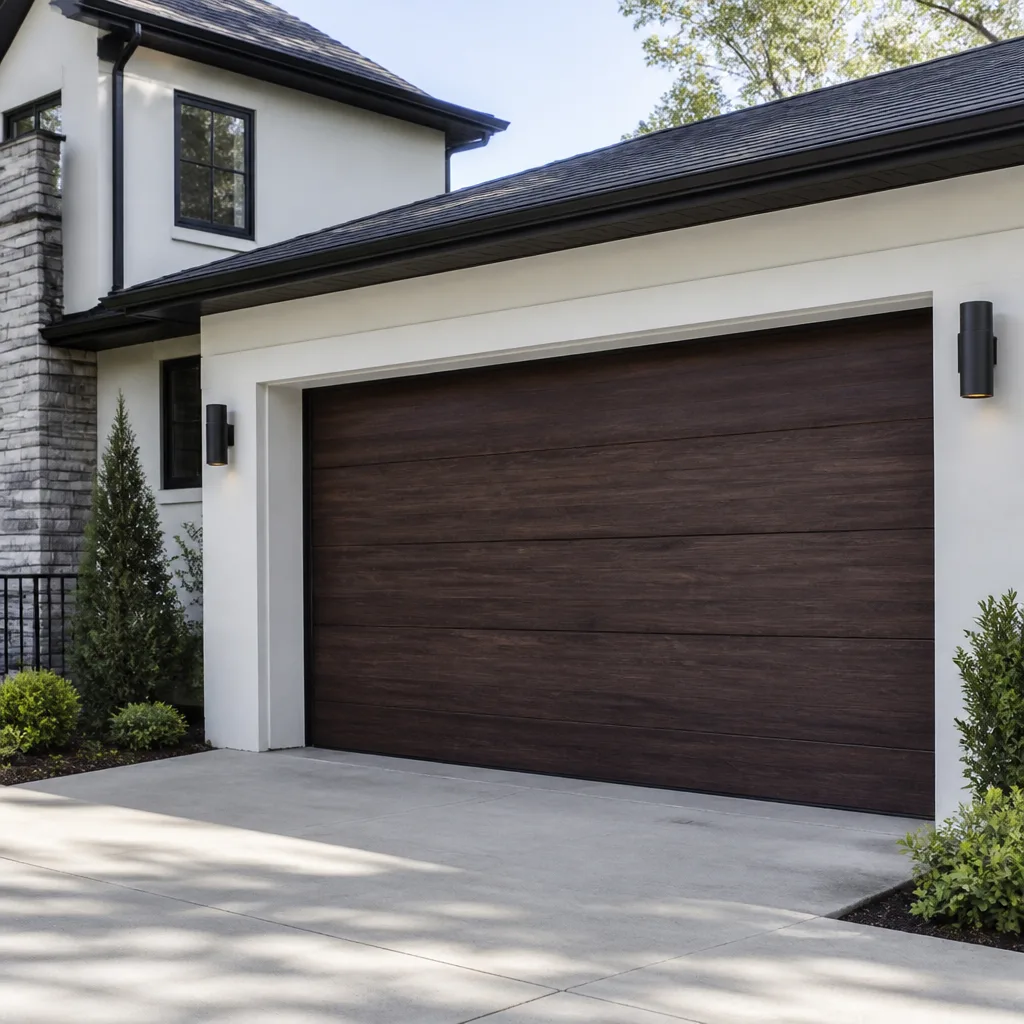 Modern flush
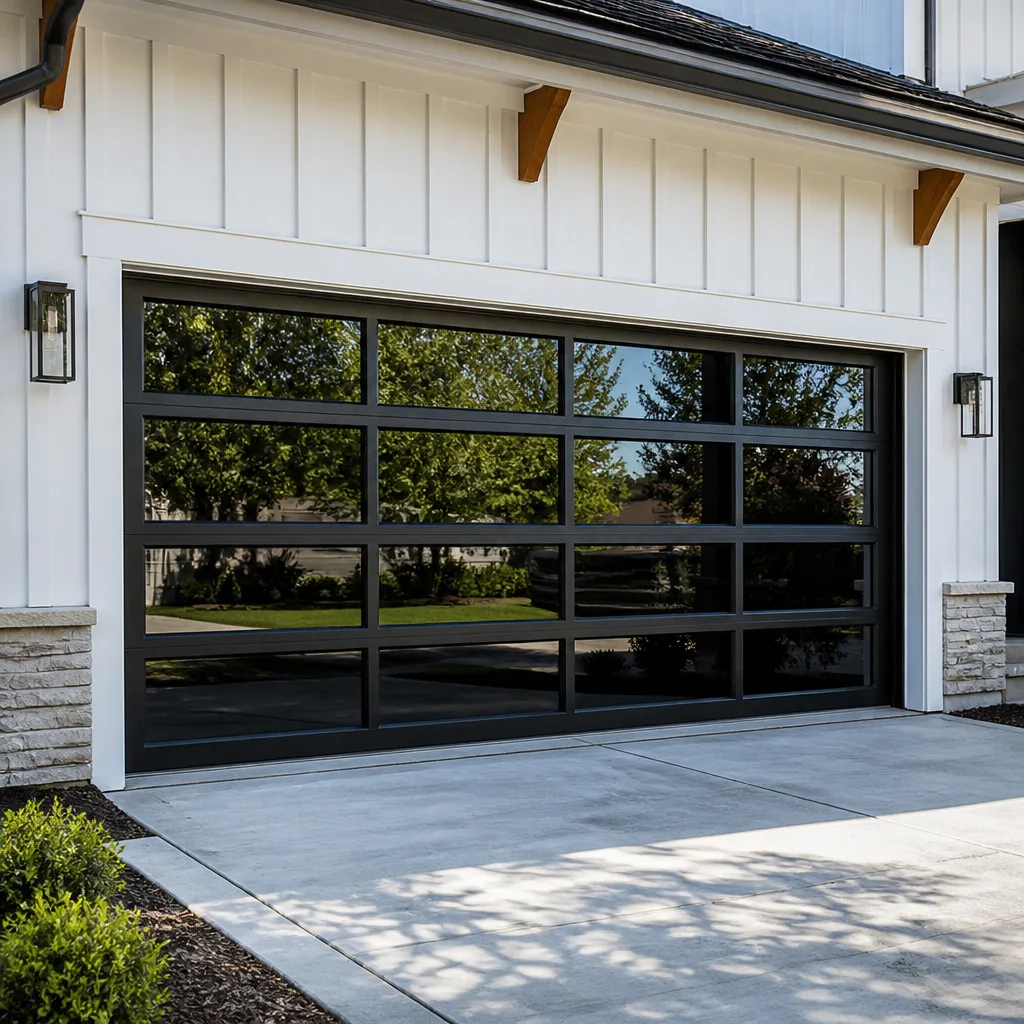 Full-view glass
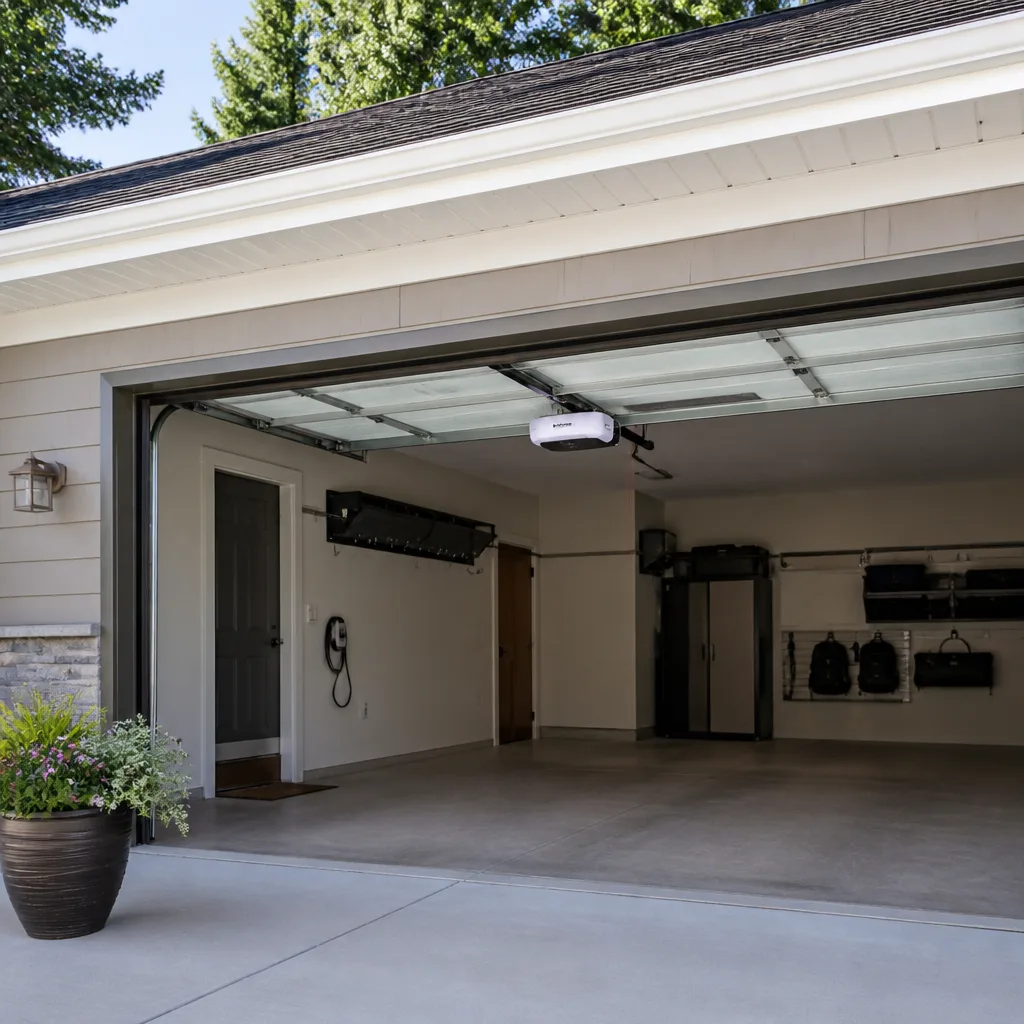 LiftMaster openers
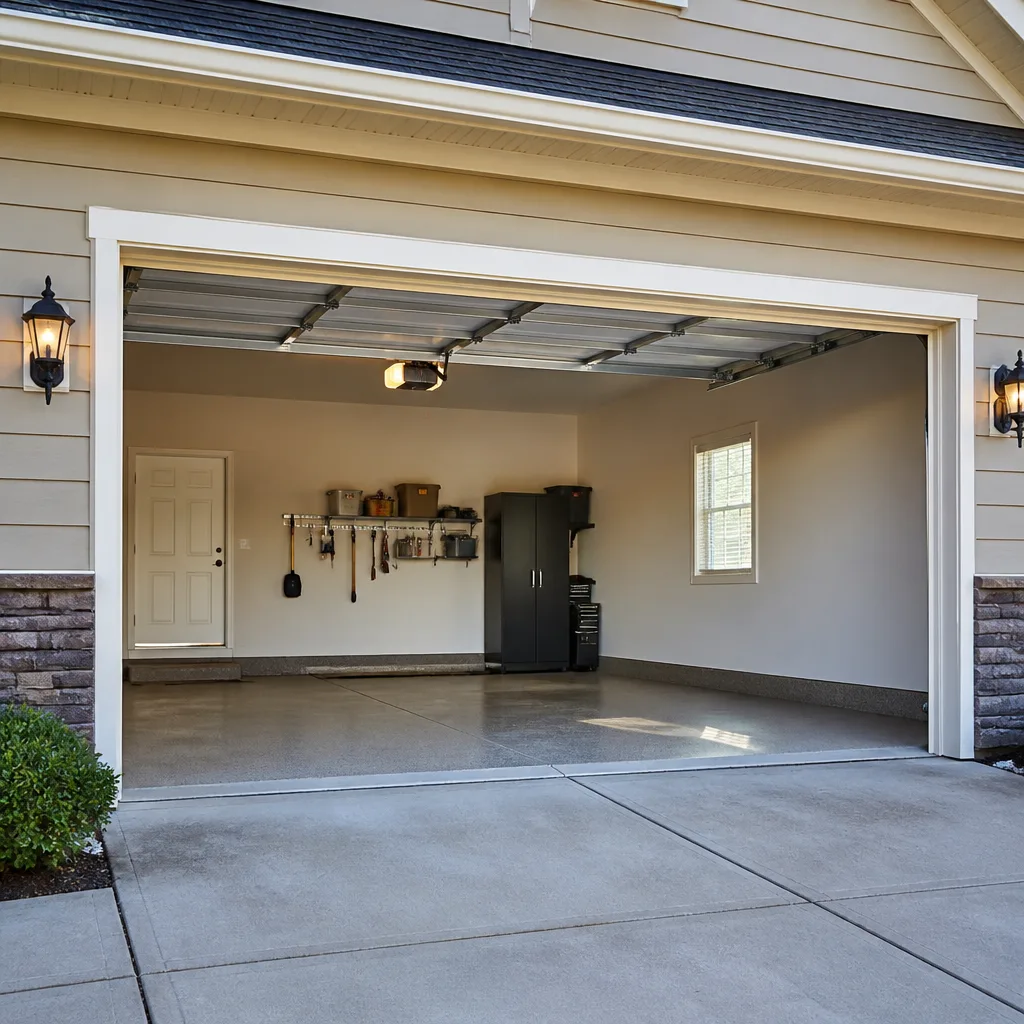 Chamberlain openers
Full 25-point door and opener safety check with every visit - springs, cables, rollers, tracks, and your LiftMaster or Chamberlain opener included
You get a price before we start. It does not change when the pro arrives.
Get your free estimateGarage Door Emergency Preparedness Guide for Sterling Heights Homes
Here’s the part most preparedness advice gets wrong: the danger in a garage door emergency usually isn’t the storm or the outage. It’s the ten minutes after, when a homeowner forces a frozen door open, yanks a release cord at the wrong moment, or cycles a door with a snapped spring “just to see.” A Macomb County ice storm can freeze a door shut overnight and turn an ordinary morning into a standoff at the threshold. What separates a quick fix from a snapped bracket or a jammed opener is knowing which move comes next. This guide walks you through the three emergencies Sterling Heights homes actually see – ice, outages, and impact damage – with the exact sequence to follow for each.
Quick Answer
A garage door emergency is handled in this order: stop operating the door, identify whether the problem is the spring, the opener, or a frozen seal, and only then decide between a manual release or a repair call. In Sterling Heights, ice and power outages cause most winter emergencies, and a door with a broken spring should never be opened again until it’s repaired. Call (866) 361-7888 for dispatch; we answer 24/7, with fast dispatch from 7am to 7pm, Sunday through Friday.
Styles & brands we work with
- Raised-panel steel
- Carriage house
- Modern flush
- Full-view glass
- LiftMaster openers
- Chamberlain openers
Table of Contents
- What to Do When Your Garage Door Is Frozen Shut in Sterling Heights
- How to Release Your Garage Door by Hand During a Power Outage
- What to Do When a Garage Door Spring Snaps
- Storm Damage Protocol: Standing Outside the Door You Just Heard Break
- The Emergency Kit Every Sterling Heights Garage Should Have
- How Sterling Heights Weather Shapes Garage Door Failures
- Why Brand Knowledge Matters in an Emergency
- Common Mistakes to Avoid
- When to Call a Professional
- Frequently Asked Questions
What to Do When Your Garage Door Is Frozen Shut in Sterling Heights
A frozen garage door is almost never frozen at the hinges. It’s frozen along the bottom seal, where the rubber gasket meets the concrete threshold and holds a thin film of meltwater that refreezes overnight. In Sterling Heights, where temperature swings across a single week are routine, that film can go from liquid to solid in a couple of hours. When you hit the opener button and the door shudders, stops, or reverses immediately, the opener isn’t broken. The bottom seal is welded to the floor, and the opener is fighting the ice.
Stop hitting the button. Repeating the cycle strains the opener’s drive gear and forces the bottom bracket against a load it wasn’t designed for – that’s how a free problem becomes a repair. Instead, follow this sequence:
- Confirm it’s ice, not mechanical failure. Look along the base of the door with a flashlight. A visible line of ice bridging the seal to the concrete confirms the diagnosis. If you see a snapped spring or a slack cable, skip ahead to the spring and cable sections instead.
- Thaw with warm air, not hot water. A hair dryer on low, worked along the bottom edge in sections, softens the ice without cracking a tempered panel. Never pour boiling water on a cold door; the thermal shock can warp a steel panel and damage the seal.
- Free the seal gently. Once the ice is soft, work a plastic putty knife – never a metal scraper or a screwdriver – between the gasket and the threshold. The rubber gasket is meant to flex. A metal tool scores the concrete and tears the seal.
- Clear the tracks before you cycle the door. Ice and grit collect in the vertical tracks. A quick wipe-down now prevents a derailed roller later.
- Test the door by hand first. Disengage the opener and lift the door a few inches manually. If it moves freely, re-engage and run it once.
If the door still won’t move after the ice is cleared, the problem is mechanical and the door needs a proper diagnostic. Our garage door repair service handles frozen seals, bent tracks, and opener strain from repeated frozen-door cycles – and a technician can tell you whether the seal needs replacement before it freezes again next week.
How to Release Your Garage Door by Hand During a Power Outage
Every opener has a manual release – a cord with a handle, usually red, hanging from the trolley carriage. Pulling it disconnects the door from the opener so you can lift it by hand. That’s the whole instruction. The trouble is the two things homeowners do wrong right after, and those mistakes cause most outage-related damage we’re called out for.
The first mistake: pulling the release while the door is under load. If the door is partially open or the opener is mid-cycle when the power drops, don’t yank the cord. The door’s weight is being held by the opener’s carriage, and releasing it under tension lets the door slam. If the door is fully closed, in most cases you can pull the cord safely. If it’s open or partially open, wait for a second person to steady the door, or call for help.
The second mistake: assuming the door will now lift easily. A manual door is only as easy to lift as its spring system allows. If the spring is weak or broken, even a properly released door becomes a very hard lift – and if you get it open and then force it closed, it can crash. Here’s the safe sequence:
- Confirm the door is fully closed and the opener’s carriage is at rest.
- Pull the release cord straight down in one firm motion.
- Lift the door with both hands on the bottom section, keeping fingers clear of the panel joints.
- Once open, prop it, or lower it gently with both hands – do not let it drop.
- Before re-engaging the opener, close the door fully and let the carriage re-capture the release arm, then test with a short cycle.
If lifting the door feels like it takes real effort, the spring system needs attention. That’s a diagnostic for garage door opener repair or spring service, not something to work around with brute force. We service LiftMaster, Chamberlain, and Genie openers in Sterling Heights regularly, and the manual release works the same way on all of them – what differs is how the carriage re-engages, so know your opener’s model before a storm hits.
What to Do When a Garage Door Spring Snaps
When a garage door spring snaps, the immediate safe action is to stop operating the door completely and leave it in whatever position it’s in – closed if you can, roped or blocked if it’s open. A spring stores the counterbalance that holds the door’s full weight. Once it fails, that weight is unopposed, and the door is now a heavy slab being held up only by the opener, the cables, and the tracks.
The sound is distinctive – a sharp, echoing bang – and it usually happens at the end of a cycle, when the spring is under its heaviest load. If you hear it:
- Do not press the button again. Not once, not “just to test.” The opener is now lifting the entire door unassisted, and that can tear the carriage from the door or burn out the motor.
- Don’t try to open the door by hand either. It will be far heavier than it feels with a working spring.
- If the door is closed, leave it and call for repair. If it’s open, lower it slowly with two people, or tie off or block it, and keep everyone clear of the tracks. A panel that comes down out of a track is the worst-case scenario.
- Keep the car inside. If a vehicle is trapped, that’s a real problem, but operating the door is not the solution – call us; a technician can restrain and lift the door safely.
Springs are the one part of a garage door system we won’t describe a DIY fix for, because the stored tension in a torsion spring or extension spring can cause serious injury even when the door looks “down.” This is a job for a trained technician with the right winding bars and a controlled procedure. The good news is that spring repair is routine for a specialist – the same parts and technique come up repeatedly, which is exactly why a company that only does garage doors tends to get it right the first time.
Storm Damage Protocol: Standing Outside the Door You Just Heard Break
Michigan’s ice storms and spring wind events put real loads on garage doors – falling branches, wind-driven debris, and, occasionally, hail. When a storm passes and you walk out to find a dented panel, a dangling track, or a door that won’t sit flush, the instinct is to hit the opener and see if it still works. Don’t. A door that’s suffered impact may now have a compromised panel, a bent track, or a twisted section, and cycling it can force a chain of failures.
Assess from outside, with the opener off, in this order:
- Look at the panels, not just the surface. A dent is cosmetic. A creased panel, a seam that’s separated, or a panel pushed out of its hinges is structural.
- Check the tracks. Run your eye down both vertical tracks. A visible bend, or a gap where the roller sits, means the door shouldn’t be operated.
- Inspect the cables. A slack or frayed cable on either side means the door’s balance is compromised. Do not stand under it.
- Test the door by hand, gently. With the opener disengaged, lift a few inches. If it moves off-level or binds, stop.
- If it’s fine by hand, cycle it once, then re-check. A single slow cycle with a spotter tells you whether the door runs true. If anything scrapes, binds, or sounds different, call for repair.
Hail is uncommon in this part of Michigan, so most impact damage here comes from tree limbs and wind-blown debris rather than hail strikes. Either way, the assessment is the same: check for structural compromise before you operate. Our Avalon Garage Door Service technicians see storm damage on Clopay steel doors, Amarr panels, and Wayne Dalton doors in equal measure, and a panel that looks fine from the street can hide a bent track that will derail a roller within a week.
The Emergency Kit Every Sterling Heights Garage Should Have
A small kit, kept on a shelf near the door, turns most winter emergencies from a scramble into a ten-minute fix. Here’s what belongs in it – and, just as important, what each item is actually good for, so it doesn’t get used the wrong way.
- A hair dryer with a long cord. Best tool there is for thawing a frozen seal. Only for ice. Never use it near the opener’s motor housing or wiring, and never to “warm up” a spring or bracket.
- A plastic putty knife or a stiff plastic scraper. For freeing the gasket from the threshold. Plastic only – a metal scraper scores concrete and tears the seal, and no scraper belongs anywhere near a cable.
- A broom and a bag of ice-melt. Clear snow and ice from the tracks and the threshold before they freeze. Use ice-melt on the concrete apron, not inside the door’s travel path, and choose a pet-safe or concrete-safe product; salt buildup accelerates corrosion of the track and hinges.
- Work gloves and eye protection. Basic and essential before you touch anything near the tracks.
- A flashlight and a small step stool. For inspecting the bottom seal, tracks, and cables. Never climb the stool to reach the opener or the springs – that’s a technician’s job.
That’s the whole kit. Notice what’s missing: no tools for adjusting springs, no ladder tall enough to reach the torsion bar, no lubricants for anything but the rollers and hinges. Springs, cables, and opener internals are not DIY territory. The kit’s real power is that it lets you diagnose quickly and safely, then hand a clear description to a technician.
How Sterling Heights Weather Shapes Garage Door Failures
Sterling Heights sits in a part of Macomb County that gets the full Michigan winter cycle – freeze, thaw, freeze again – and that cycle is harder on a garage door than a deep, steady cold. Each thaw pushes meltwater into the seal, the tracks, and the bottom brackets; each refreeze locks it there. A door that faces west or north, away from the sun, stays frozen longer and thaws and refreezes more often. That’s why the same neighbor’s door freezes every year and yours doesn’t, even on the same street.
The second pattern is power. Winter ice storms knock out power to blocks at a time, and a house with an unpowered opener has a very specific problem: no way to get the car out unless the manual release works and the spring system is healthy. Homes near the older parts of Sterling Heights, where mature trees overhang driveways, also see more limb damage in ice events – a branch that gives under the weight of ice can drop straight onto a steel door.
What this means for preparation:
- Clear the threshold and the seal after every thaw, before the next freeze.
- Keep the manual release cord accessible – not tangled, not buried under stored boxes.
- Test your opener’s manual release before winter, not during an outage.
- Know the door’s brand and model, and whether it’s a torsion or extension spring system, so a technician can be dispatched with the right parts.
Our technicians have up to 14 years of experience with the year-over-year failures that come with this climate, and the sequence of what fails first is remarkably predictable once you know the county’s weather pattern.
Why Brand Knowledge Matters in an Emergency
In a garage door emergency, brand matters less than it does in a routine repair – but it still matters, and it matters most in the details. The manual release procedure on a LiftMaster opener, a Wayne Dalton door, a Craftsman opener, or a Raynor commercial-style door all follow the same basic logic, but the carriage re-engagement, the spring type, and the panel attachment can all differ. In a crisis, that detail is the difference between a door that re-engages cleanly and a door that jams halfway.
This is why we train to service eight of the most widely installed brands: LiftMaster, Chamberlain, Genie, Clopay, Amarr, Wayne Dalton, Craftsman, and Raynor. It’s also why we break opener repair out as its own dedicated service, rather than bundling it loosely with panel work – the diagnostic expertise on openers is a distinct skill, and most homeowners can’t troubleshoot the mechanical and control systems themselves. When a door freezes shut at 6 AM, you don’t want to hear that no one works on your brand. You want a technician who’s seen your model before and knows what’s inside it.
The single-trade focus matters here too. A company that only does garage doors sees the frozen-bracket failure mode, the re-engaged carriage that isn’t quite seated, and the storm-damaged track that looks fine but isn’t – repeatedly. Specialization isn’t a marketing angle; it’s how the right fix gets matched to your specific door the first time.
Common Mistakes to Avoid
- Hitting the opener button repeatedly when a frozen door won’t move. Each cycle strains the opener’s drive gear and pushes the bottom bracket against the ice. If the door won’t move on the second press, stop and thaw it.
- Pouring hot water on the frozen seal. The thermal shock can warp a steel panel, and the water refreezes a few hours later, often worse. Use warm air and a plastic scraper.
- Pulling the manual release while the door is partially open. That’s exactly when the door is under load, and releasing it lets the door slam – on a Sterling Heights winter morning, this is the most common avoidable outage injury we see.
- Operating a door with a snapped spring “just to get the car out.” The opener is now lifting the full weight of the door unassisted. It can tear the carriage loose or burn out the motor, and neither is a cheap fix.
- Using a metal scraper or screwdriver to free a frozen seal. It scores the concrete, tears the rubber gasket, and the torn seal freezes worse next time. Plastic only.
- Assuming a storm-damaged door is fine because it “still looks straight.” A bent track or separated panel seam won’t show from the street but will derail a roller within a week. Inspect the tracks and cables before you cycle the door.
- Ignoring the seal after a thaw. A gasket that’s been frozen and re-frozen is already weakened. Replace it before the next freeze and you skip the entire cycle next time.
When to Call a Professional
Call a professional the moment any part of the door’s counterbalance – springs, cables, or the opener – is involved. If the door won’t lift with reasonable effort, if you see a snap or a slack cable, if the door runs off-level, or if a spring makes a bang, stop and call. Those aren’t situations to diagnose over the phone and patch in the garage, and a specialist can often tell you whether it’s a same-day repair or a scheduled one from a short conversation. We also take the call for a door that’s stuck open in bad weather, a vehicle trapped by a failed opener, or a frozen seal that won’t clear with warm air.
Estimates are free and the price is set per job by the written quote, so you know the number before any work starts. Avalon Garage Door Service offers free estimates in Sterling Heights – call (866) 361-7888. We answer 24/7, with fast dispatch from 7am to 7pm, Sunday through Friday. If your door fails on a Saturday, we’ll book you for Sunday.
Frequently Asked Questions
Check whether the bottom seal is frozen to the threshold before touching the opener. Look along the base of the door for a line of ice; if it’s there, thaw it with warm air and a plastic scraper before cycling the door. If there’s no ice, or the door still won’t move after thawing, the problem is mechanical and needs a diagnostic. Call (866) 361-7888 for an exact quote – estimates are free.
Yes, if you disengage the opener first by pulling the manual release cord, and only when the door is fully closed. Pulling it while the door is open or partially open lets the door drop under load. Once released, lift with both hands and prop the door; don’t force it down. If the lift takes real effort, the spring system needs attention before the power returns.
It depends on what failed – a frozen seal and a snapped spring are very different jobs. We don’t quote a phone number for a repair we haven’t seen; the written estimate sets the final price, and it’s given before any work starts. The estimate itself is free. Call (866) 361-7888 for an exact quote – estimates are free.
Not until you’ve checked the tracks and cables from outside with the opener off. A dented panel is usually cosmetic, but a creased panel, a bent track, or a slack cable means the door shouldn’t be operated. Test by hand with the opener disengaged and lift only a few inches. If it binds or runs off-level, call for repair.
Same-day service is available for emergency repair calls, and a door stuck open in bad weather is an emergency. Call (866) 361-7888 for dispatch; we answer 24/7, with fast dispatch from 7am to 7pm, Sunday through Friday. A call outside dispatch hours is booked into the next opening.
Yes – the technicians who perform the work are licensed and insured, and they’re trained to service eight major brands, including LiftMaster, Chamberlain, Genie, Clopay, Amarr, Wayne Dalton, Craftsman, and Raynor. We work with your schedule to dispatch the right technician for your door’s brand. Call (866) 361-7888 for a free estimate.
Closed, if it’s already closed – leave it and don’t cycle it. If it’s open, lower it slowly with two people if you safely can, or tie it off or block it, and keep everyone clear. Never operate a door with a broken spring, even once; the opener is lifting the full weight of the door at that point, and the door can come down out of its tracks.
Garage door emergencies in Sterling Heights come down to the same handful of patterns: ice at the seal, power loss, a snapped spring, or impact from a storm. The preparation that matters most isn’t a gadget or a subscription – it’s knowing the safe first move for each one. Stop operating the door. Confirm what’s actually wrong. Thaw, release, or call, in that order. Keep a small kit on the shelf. Know your door’s brand and spring type. And when the problem is serious, let a single-trade specialist handle it rather than risking a bracket, a cable, or a panel. If your Sterling Heights door needs a diagnosis or a repair after a close call, our Sterling Heights team is ready. Call (866) 361-7888 for a free estimate. We answer 24/7, with fast dispatch from 7am to 7pm, Sunday through Friday.
Written by the team at Avalon Garage Door Service.
See the difference
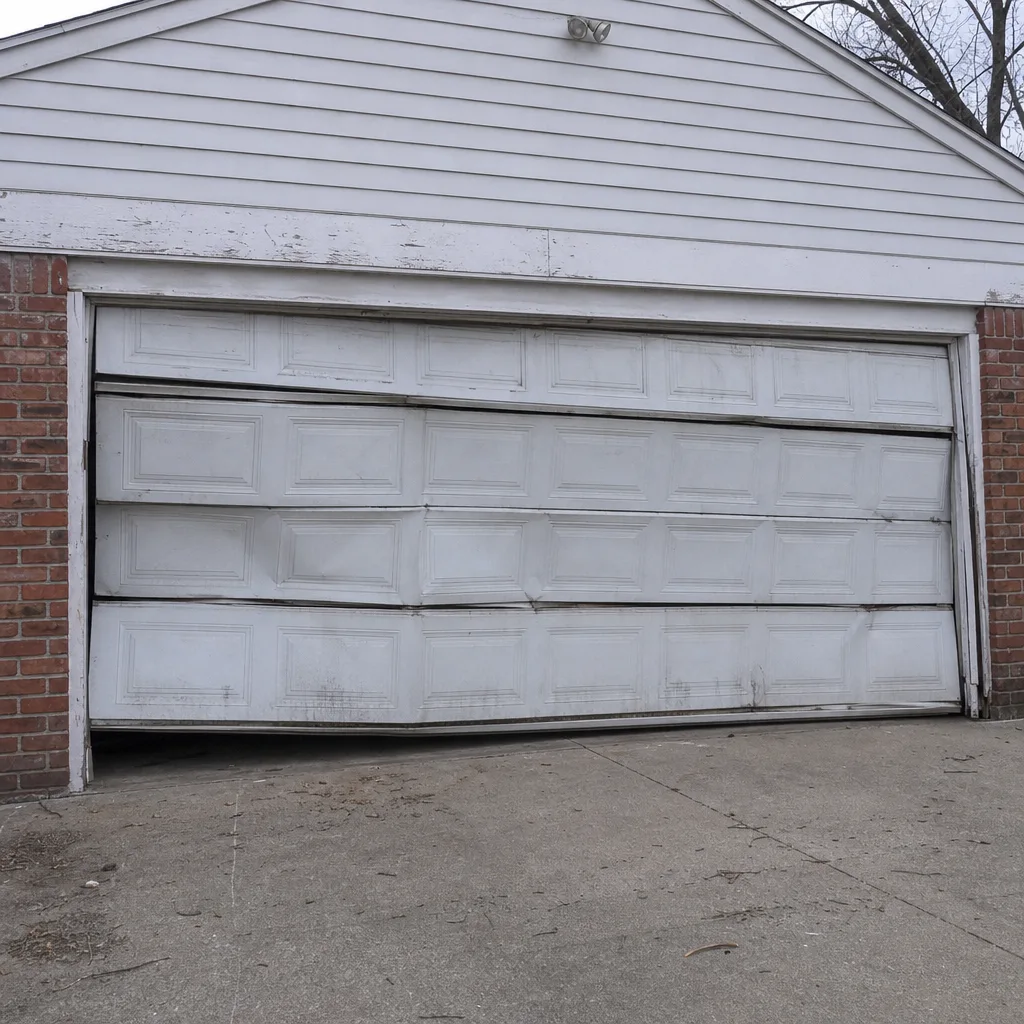 Before
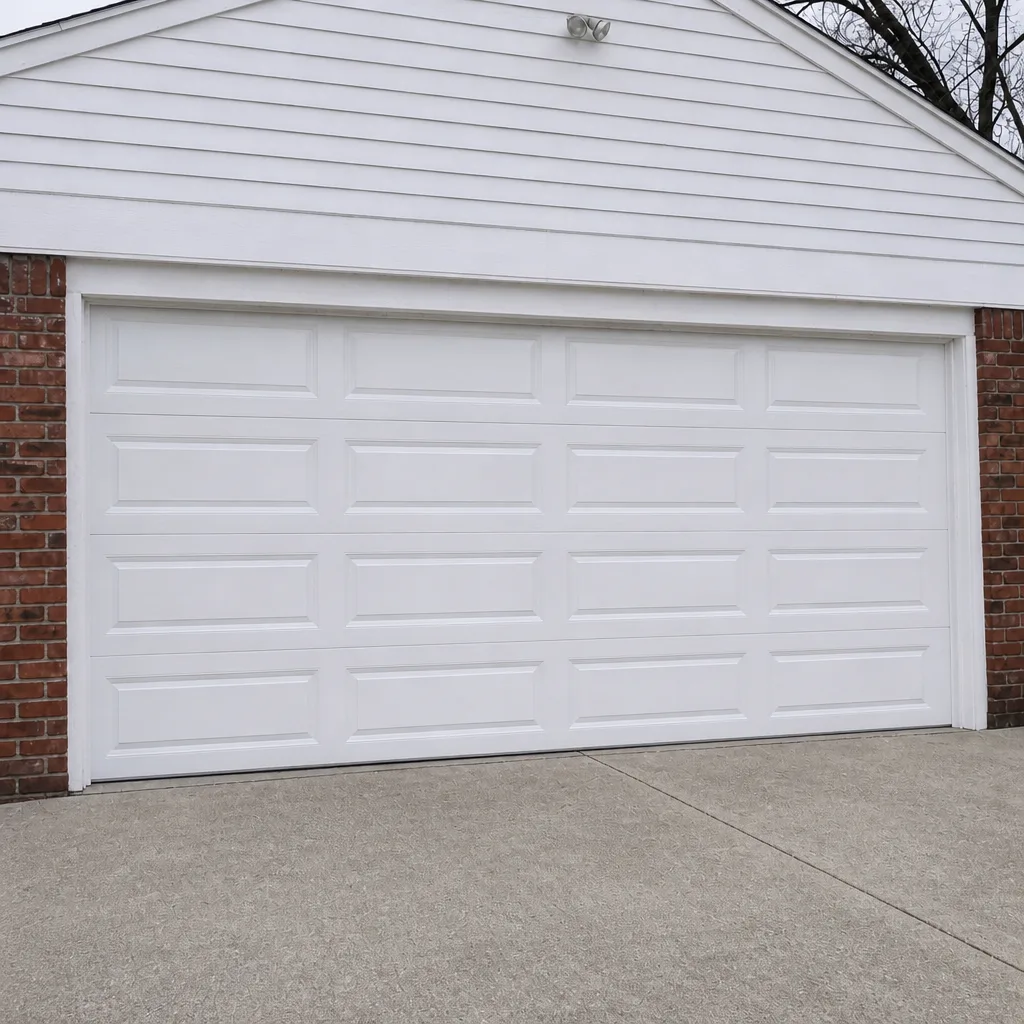 After
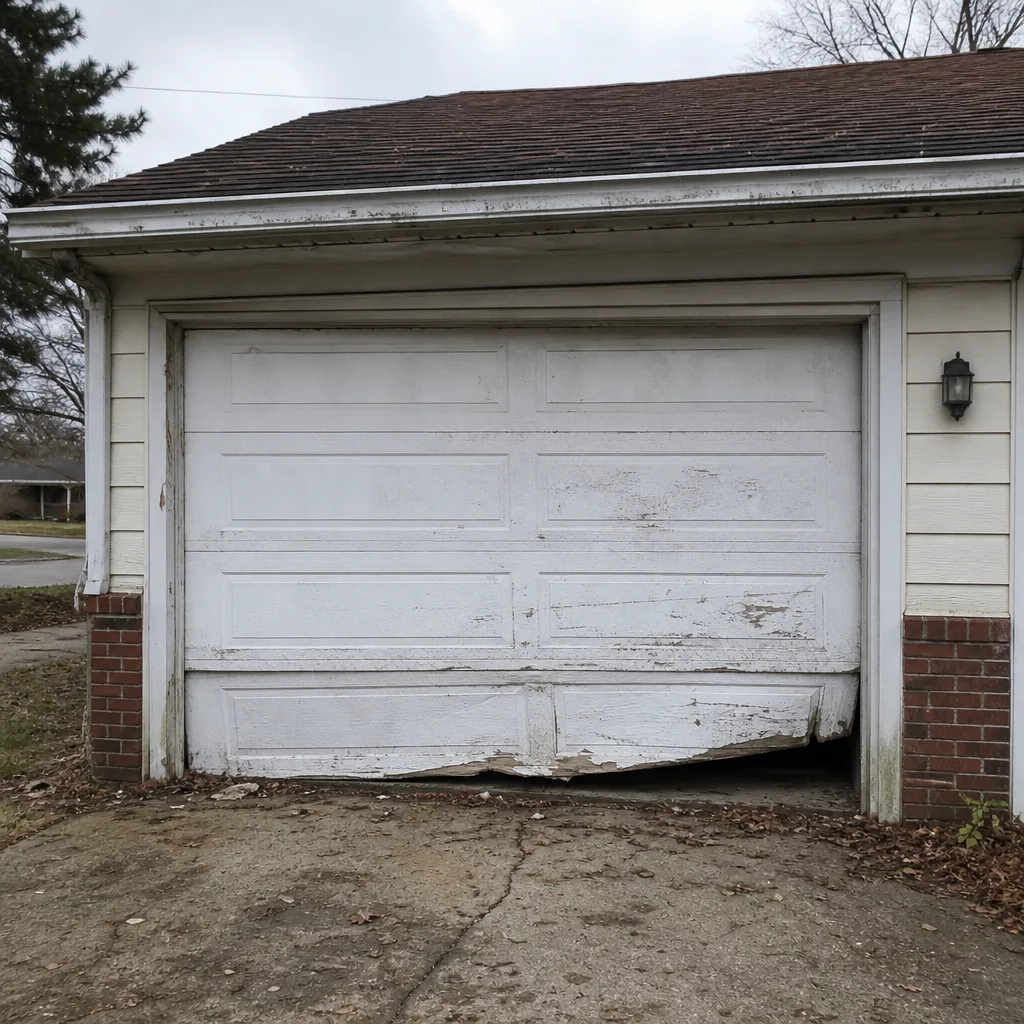 Before
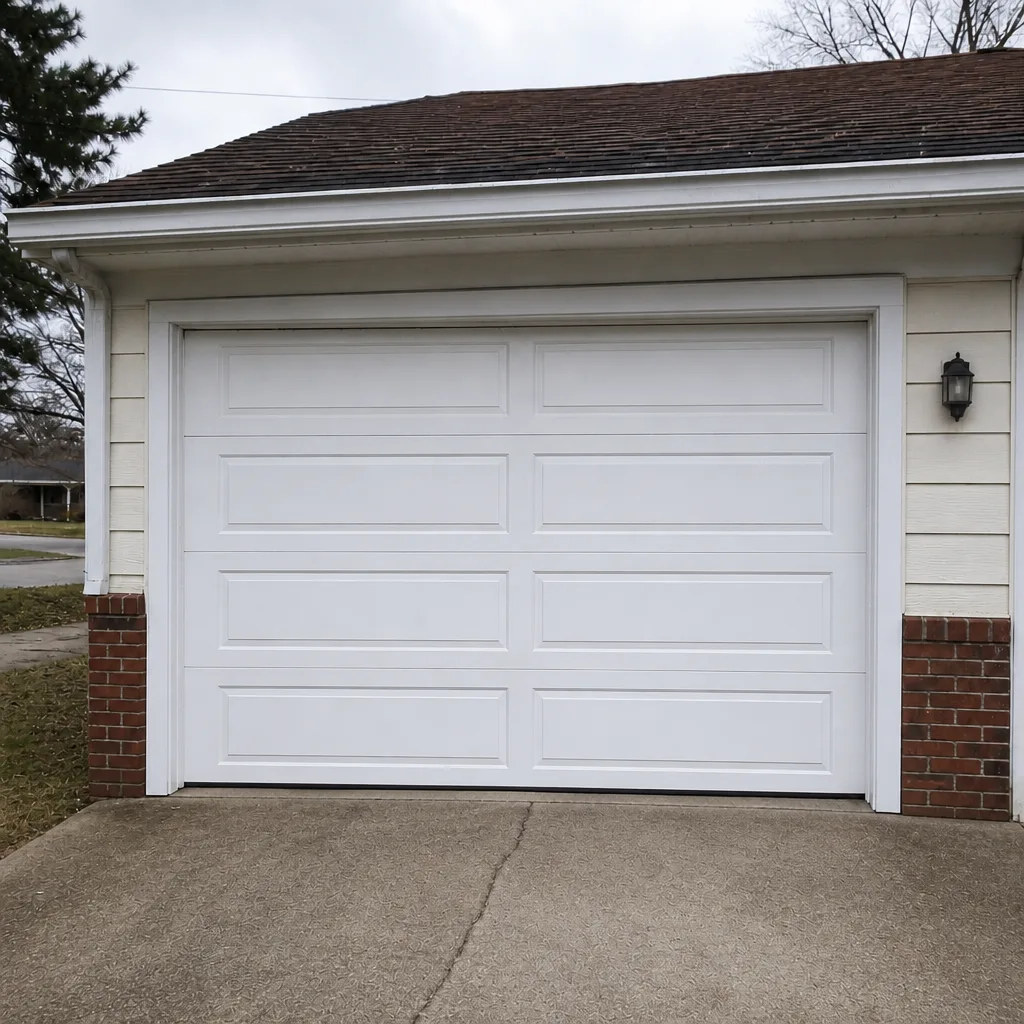 After
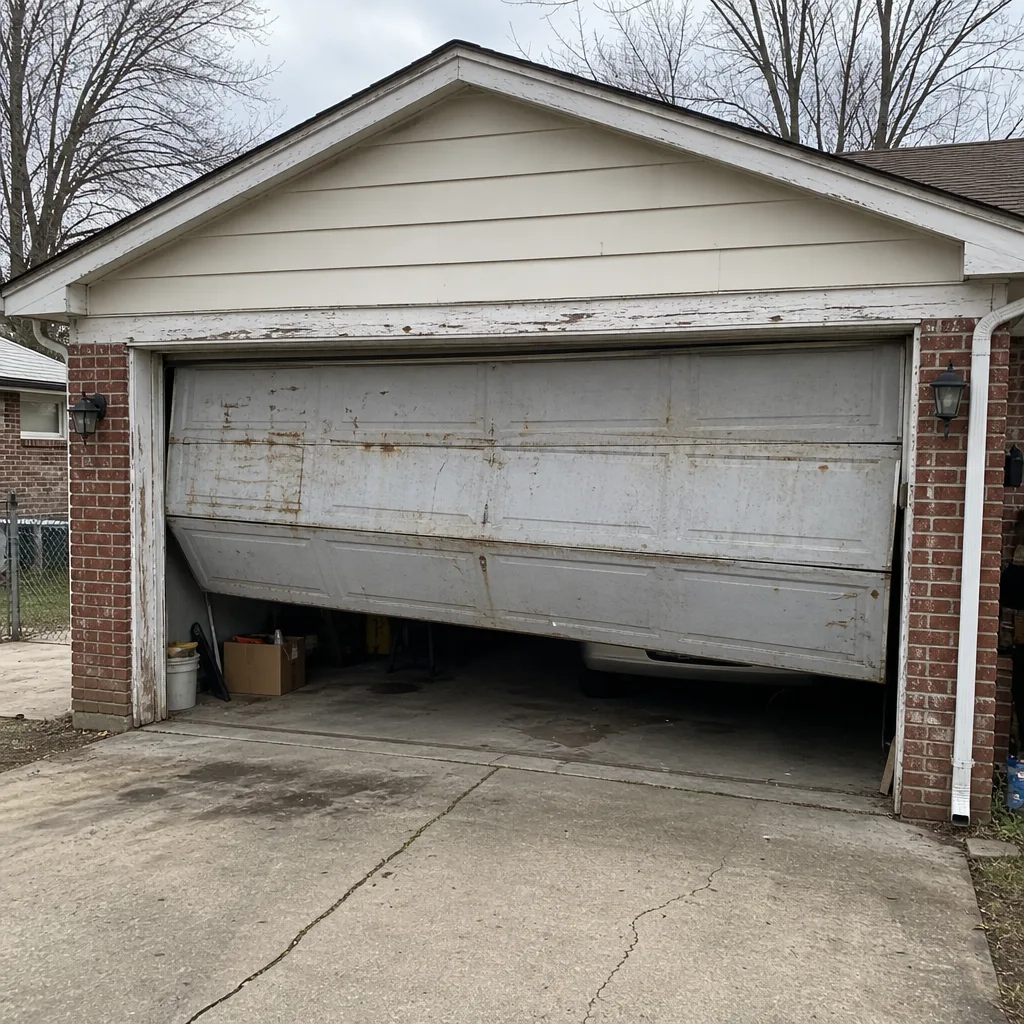 Before
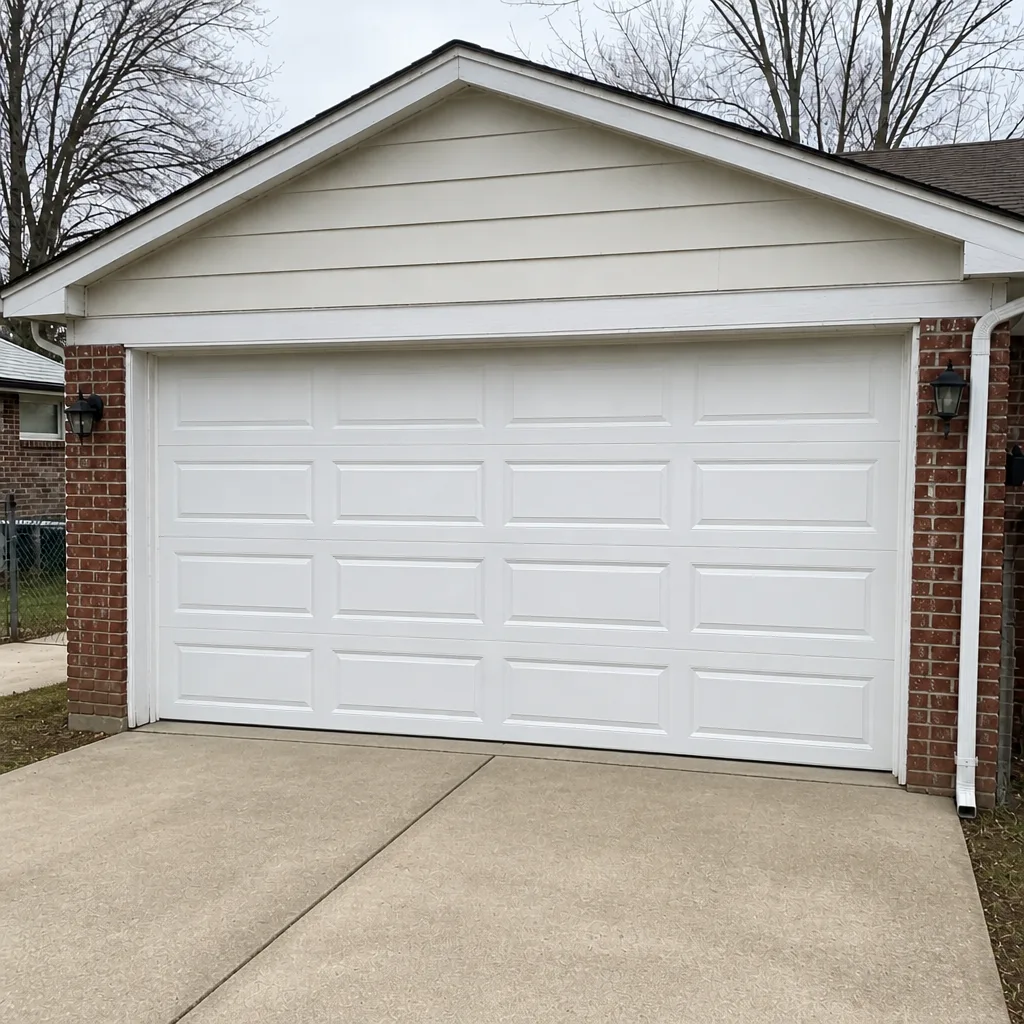 After